Soccer Match Prediction
Introduction to Soccer Analytics
Beyond the Score
For decades, the story of a soccer match was told through a few key numbers: the final score, goals, and maybe assists. But today, a deeper story is being written with data. This is the world of soccer analytics, the practice of using data to gain a competitive edge. It's about looking past the obvious to find hidden patterns in how teams play and how players perform.
Why does it matter? Because in a sport of fine margins, a small insight can be the difference between winning a championship and going home early. Teams use analytics to make smarter decisions about everything from signing new players to planning their tactics for the next big game. It helps coaches answer critical questions: Which players work best together? Where are we most vulnerable on defense? What's the most effective way to attack this specific opponent?
The idea of analyzing soccer isn't new. In the 1950s, an English accountant named Charles Reep famously hand-counted thousands of passes in live matches. He concluded that most goals were scored from short passing sequences, a finding that influenced English soccer for generations. His methods were simple, but his goal was the same as today's data scientists: to find a formula for success.
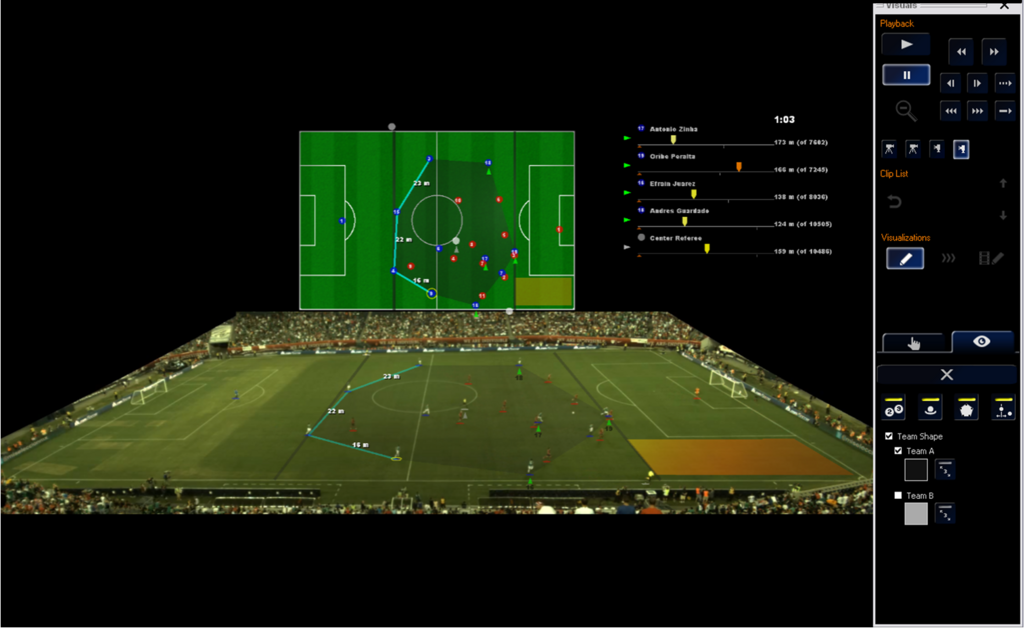
The real revolution, however, came with technology. The ability to capture detailed data from every touch of the ball has transformed the sport. Today, analysts have access to millions of data points from a single game, tracking not just what players do, but where they do it, how fast they're moving, and the context of every action.
Watching with a Purpose
A core concept in this field is notational analysis. It's a formal term for the systematic process of recording events during a match. Think of it as creating a detailed logbook of the game. Every pass, tackle, shot, and interception is noted, along with key details like the players involved, the location on the field, and the outcome.
This isn't just about counting. It’s about cataloging actions to understand the flow of the game and identify recurring patterns. For example, an analyst might track every time a team loses possession in their own defensive third. This data could reveal that a specific player is frequently pressured into making mistakes or that a certain type of pass is consistently failing.
Notational analysis turns a 90-minute game into thousands of individual events, each a piece of a larger tactical puzzle.
With this data, teams can build detailed performance profiles for every player. Instead of relying on gut feelings, a coach can look at concrete numbers. Is a striker getting into good shooting positions but failing to finish? The data will show it. Is a midfielder excellent at breaking up opponent attacks but careless in possession? The numbers will tell that story, too.
This objective approach changes how players are evaluated and developed. Coaches can create targeted training drills to address specific weaknesses revealed by the data. During contract negotiations, teams can use analytics to justify their valuation of a player, moving beyond simple goal and assist totals to measure a player's true impact on the team's success.
The Bigger Picture
Analytics also reshapes a team's overall strategy. By analyzing an opponent's tendencies, a team can develop a specific game plan to exploit their weaknesses. If data shows the other team struggles to defend against crosses from the left side, the strategy might be to overload that flank.
This data-driven approach extends to fan engagement as well. Broadcasters use analytics to provide deeper insights during games, showing viewers stats on everything from player speed to the probability of a shot becoming a goal. This information makes the viewing experience richer and more informative.
Fantasy sports and betting have also been transformed. Fans now have access to sophisticated data to inform their decisions, adding another layer of strategy and engagement to following the sport.
Teams use analytics, sensor technology, and video analysis to make informed decisions, enhance player performance, and develop strategic advantages.
Soccer analytics is not about replacing the intuition of coaches or the creativity of players. It's about empowering them with better information. It provides a powerful lens for understanding the beautiful game in more detail than ever before. Now, let's test your understanding of these core concepts.
What is the primary goal of soccer analytics?
A coach reviews data that logs every pass, tackle, and shot from a match, noting the players involved and the location on the field. What is this systematic process formally called?
Soccer analytics offers a powerful new perspective on an old game, blending the art of sport with the science of data to reveal what truly happens on the pitch.