Soccer Mastery for Young Players
Ball Control
Mastering Your First Touch
Your first touch is the most important one you'll make. It's your initial contact with the ball when it's passed to you, and it sets up everything that comes next. A good first touch gives you time and space. A bad one invites pressure and can lead to losing possession.
Think of it like catching a water balloon. You don't just hold your hands out stiffly. You cushion the impact, moving your hands back slightly as you make contact. The same principle applies to controlling a soccer ball. You want to absorb its energy, not fight against it.
The most common tool for this is the inside of your foot. As the ball arrives, relax your ankle and leg, and gently guide the ball in the direction you want to go next. The goal is to have the ball stop about a step in front of you, ready for a pass, a dribble, or a shot.
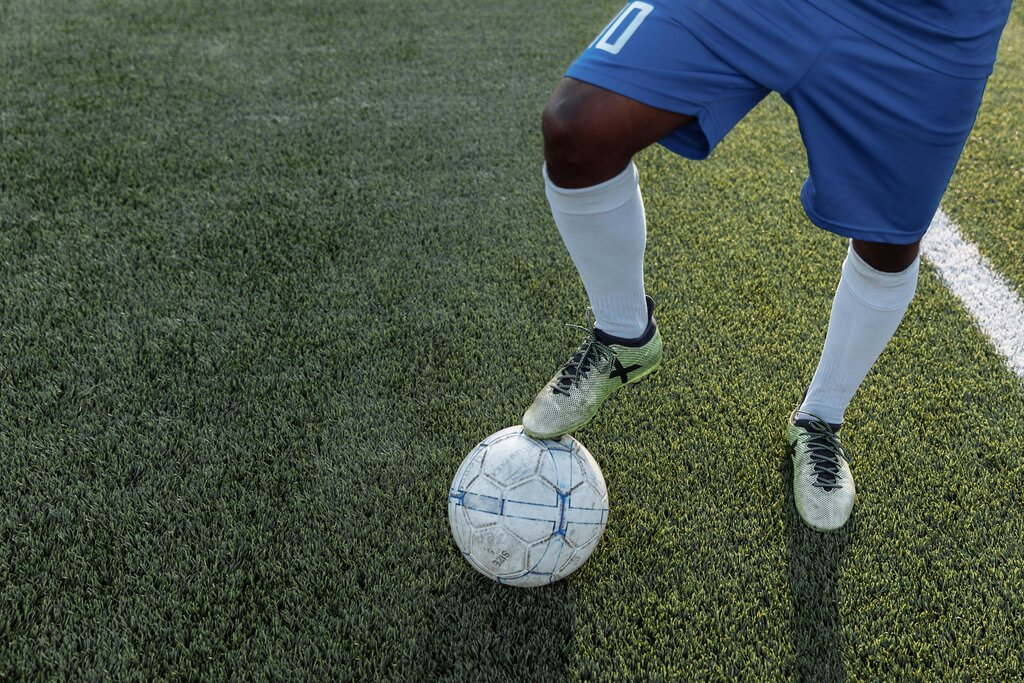
This initial touch should be deliberate. Don't just stop the ball dead. Nudge it into space, away from any defenders, so your next action is easier. Practicing receiving passes and focusing on that first soft, intentional touch is a game-changer.
Juggling for Finesse
Juggling might look like a flashy trick, but it's one of the best ways to develop a delicate touch and improve your coordination. Every tap of the ball is a tiny lesson in ball control.
If you're new to it, start simple. Hold the ball, drop it, and try to kick it back up into your hands with the laces of your shoe. Focus on keeping your ankle locked and making clean contact. Once you can do that consistently, try for two taps, then three. The key is to keep the ball below your waist. Low, quick touches give you more control.
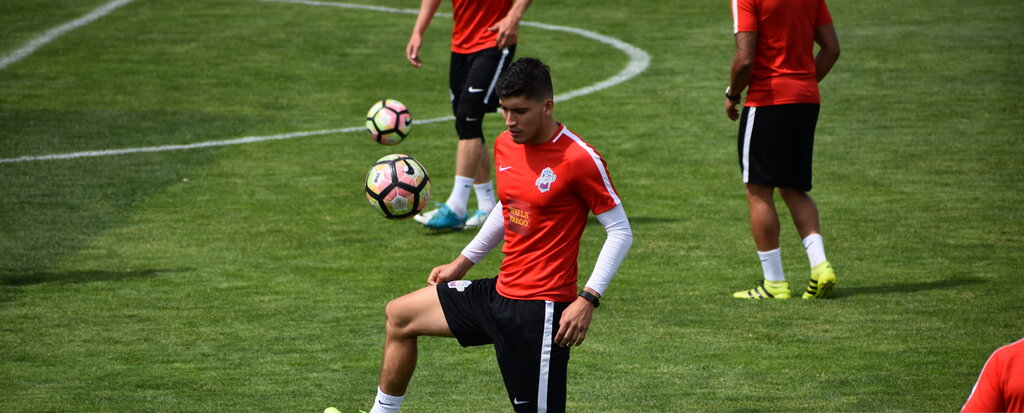
Once you're comfortable with your feet, start incorporating other body parts. Pop the ball up to your thigh. The goal is to use the soft, fleshy part of your thigh to cushion the ball, popping it straight up. Avoid using your knee, which will send the ball flying in unpredictable directions.
Your chest is another great tool, especially for balls coming out of the air. Lean back slightly and let the ball hit you in the middle of your chest. The idea is to absorb the pace of the ball so it drops down neatly at your feet.
Dribbling with Purpose
Once you can control the ball while standing still, it's time to get moving. Dribbling isn't just about running with the ball; it's about keeping it close and under your command, even at speed.
There are two basic types of touches to practice. For close control in tight spaces, use gentle taps with the inside and outside of your feet. Each step should come with a touch, almost like the ball is glued to your cleats. This makes it difficult for defenders to poke the ball away.
When you have open space to run into, you can take bigger touches, pushing the ball further ahead of you. This allows you to reach top speed. The trick is knowing how far to push it—far enough to run freely, but close enough that you can still make a quick turn or pass if a defender closes you down.
A simple drill is all you need to start. Set up a few cones in a straight line and weave through them. Focus on using both feet and keeping your head up. You need to see the field, not just the ball at your feet. Try the drill at a slow jog, then gradually increase your speed as you get more comfortable.
The key to good dribbling is to keep your head up. Looking at the ball means you can't see defenders, teammates, or the goal.
What is the primary goal of a good first touch in soccer?
The provided text compares controlling a soccer ball to catching a water balloon. This analogy highlights the need to ______ the ball's energy rather than fight it.
Building these foundational skills—first touch, juggling, and dribbling—will make every other part of your game stronger. Consistent practice is the only way to make them feel like second nature.