Soccer Coaching and Periodization
Introduction to Soccer Coaching
The Coach's Playbook
Being a soccer coach is about much more than knowing the offside rule or how to diagram a play. You are a teacher, a motivator, and a mentor. Your influence extends far beyond the sidelines, shaping not just how your players perform in a game, but how they approach challenges in life.

More Than X's and O's
A great coach wears many hats. As a teacher, you'll break down complex skills like dribbling, passing, and shooting into simple, repeatable steps. As a strategist, you'll analyze your team's strengths and your opponent's weaknesses to create a game plan.
But perhaps most importantly, you are a mentor. You teach sportsmanship, resilience, and teamwork. The lessons learned from a tough loss or a hard-fought victory can last a lifetime. Your job isn't just to develop better soccer players, but to help grow confident and respectful individuals.
Focus on progress, not just perfection. Celebrate small victories and encourage players to learn from their mistakes.
Finding Your Coaching Style
Every coach has a unique philosophy that guides their decisions. While there are many theories, most approaches fall into a few general styles. Understanding them can help you find the right fit for you and your team.
| Style | Description | Best For... |
|---|---|---|
| Authoritarian | The coach makes all decisions. Drills are highly structured. | Experienced teams needing clear, direct instruction. |
| Democratic | The coach involves players in decision-making and goal-setting. | Older, mature teams who can offer valuable input. |
| Holistic | The coach focuses on the whole person, not just the athlete. | Youth sports, where personal development is key. |
Most successful coaches don't stick rigidly to one style. They adapt their approach based on the age of the players, the team's skill level, and the situation at hand. For young players, a holistic and encouraging style is almost always the most effective. It builds a love for the game and creates a safe space to learn and grow.
Your coaching philosophy is the cornerstone of your approach to developing athletes.
Building a Winning Culture
A positive team culture is your secret weapon. It’s the shared set of values and behaviors that defines your team. This isn't about winning every game; it's about creating an environment where players feel respected, supported, and motivated to do their best for each other.
Start by establishing clear expectations for behavior on and off the field. This includes everything from respecting officials to supporting teammates. Encourage open communication and make it clear that every player's voice matters. When players feel safe and valued, they're more likely to take risks, learn from failure, and play with confidence.
Ethics
noun
Moral principles that govern a person's behavior or the conducting of an activity.
As a coach, you are a role model. Your ethical responsibilities are paramount. This means prioritizing player safety, promoting fair play, and maintaining professional boundaries at all times. Honesty, integrity, and respect are non-negotiable.
The Path to the Sidelines
While passion is the starting point, formal training provides the structure and knowledge to be an effective coach. Coaching certifications offer education on everything from practice planning and safety protocols to age-appropriate skill development.
Organizations like U.S. Soccer and United Soccer Coaches offer a clear pathway, starting with introductory online courses and progressing to advanced, in-person licenses. These programs provide a curriculum built on proven methodologies and connect you with a community of fellow coaches.
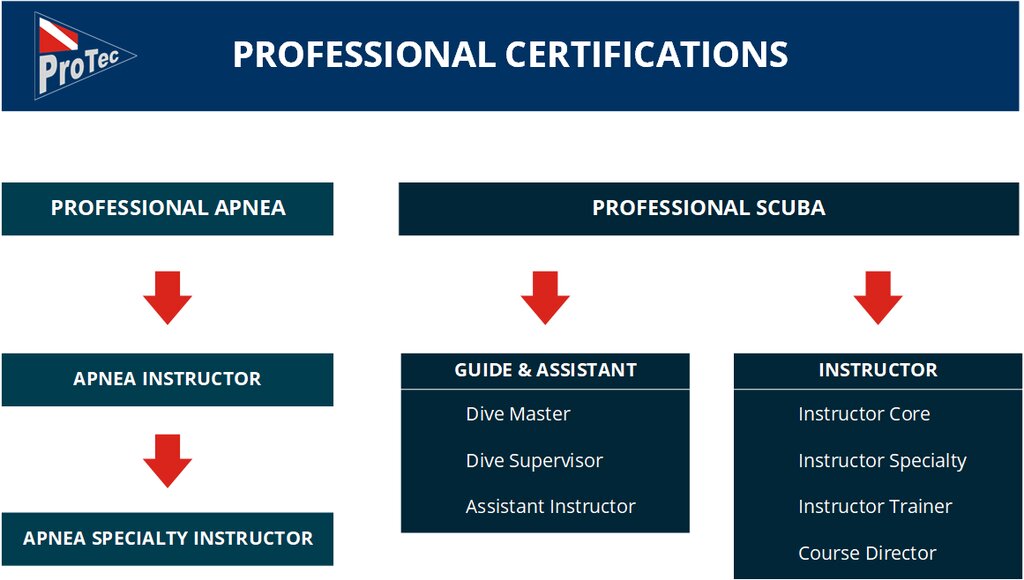
Starting with a grassroots or introductory license is a great first step. It equips you with the fundamental tools to run fun, organized, and effective training sessions, ensuring you start your coaching journey on the right foot.
According to the text, which combination best describes the primary roles of a great soccer coach?
The most successful coaches stick rigidly to one coaching style, regardless of the players' age or the situation.