Soccer Brand Revival Business Plan
Market Analysis
Understanding the Field
Before you can score, you need to understand the state of play. A market analysis is your game plan. It’s a deep look into the soccer product industry to see what’s happening right now. By studying trends, customers, and competitors, you can spot why some products are lagging and where new opportunities are waiting. This isn't just about gathering data; it's about building a foundation for a smart, effective business strategy.
Spotting the Trends
The soccer world is always evolving, and the gear evolves with it. Today's trends go beyond simple design changes. There's a big push for sustainability, with brands using recycled materials for jerseys and cleats. Technology is another major player. Think about soccer balls with embedded chips that track kicking power and accuracy, or GPS vests that monitor player performance on the field.
Another key trend is the blur between athletic wear and casual fashion. Fans and players want gear they can wear both on and off the pitch. This means jerseys, track pants, and sneakers are designed with a lifestyle aesthetic in mind, not just pure performance. Staying on top of these shifts is crucial for keeping your products relevant.
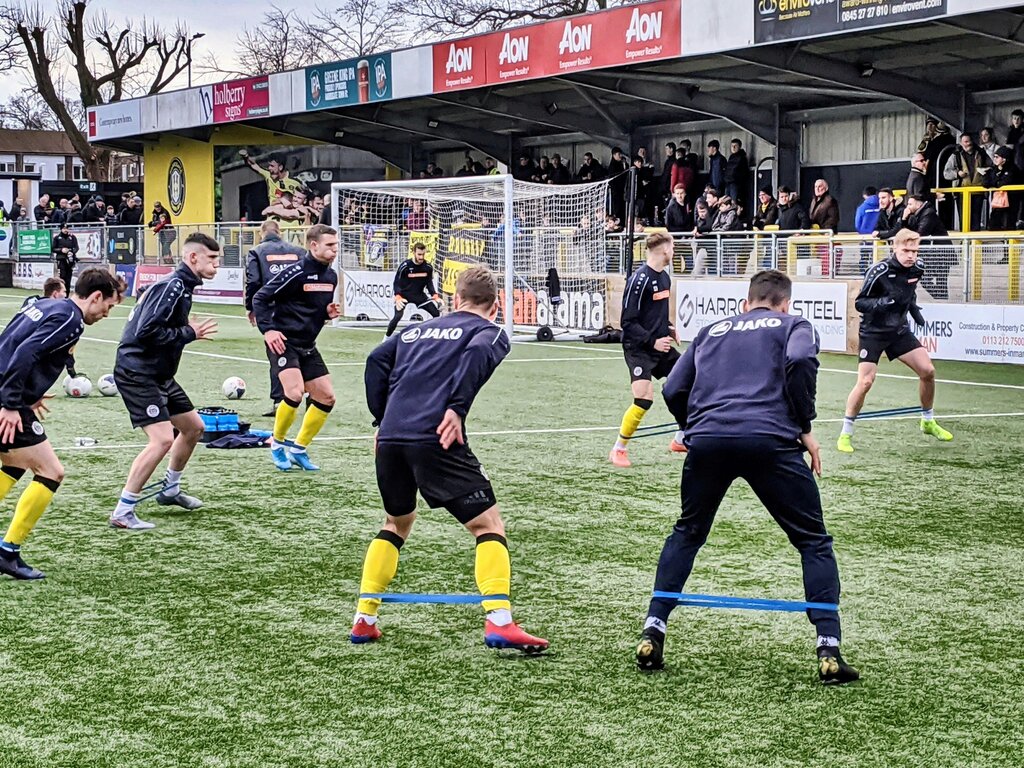
Knowing Your Fans
Who is buying soccer products? The answer is more complex than just 'soccer players.' Your customer base is diverse. It includes young kids just joining their first team, serious amateur athletes, and passionate fans who may never kick a ball but proudly wear their team's colors. Each group has different motivations.
A young player might want the same cleats as their favorite superstar. A dedicated amateur might prioritize performance features and durability. A casual fan might be more interested in comfort and style for everyday wear. Understanding these demographics and their purchasing behaviors—what they buy, where they buy it, and what influences them—allows you to tailor your products and marketing to the right audience.
Don't just sell a product; solve a problem for a specific type of customer.
Scouting the Competition
You're not the only team on the field. A competitive analysis involves identifying who your rivals are and understanding their strategies. Look at the big brands and the smaller, niche companies. What are their flagship products? How do they price them? What are their marketing messages, and who are they targeting?
By studying your competitors, you can find weaknesses in their offerings or identify customer segments they are ignoring. This is where you can find your opening. Maybe they focus exclusively on elite-level gear, leaving a gap in the market for high-quality, affordable products for youth leagues. Or perhaps their marketing is generic, giving you a chance to connect with a specific community of players.
Analyzing the competition is crucial for identifying gaps and opportunities.
A simple table can help organize your findings.
| Competitor | Strengths | Weaknesses | Key Products |
|---|---|---|---|
| Brand A | Strong pro endorsements | High price point | Elite performance cleats |
| Brand B | Focus on sustainability | Limited product range | Eco-friendly jerseys |
| Brand C | Low prices, wide distribution | Perceived lower quality | Youth soccer equipment sets |
Your market analysis helps connect the dots. If you see declining sales in a product line, like traditional cotton jerseys, your trend research might point to a market shift towards moisture-wicking synthetic fabrics. At the same time, your customer analysis might reveal a growing interest in women's soccer. This combination of insights reveals both a problem to solve (phase out old jerseys) and an opportunity for expansion (develop a new line of gear tailored for female players).
Now, let's test what you've learned about analyzing the market.
What is the primary goal of conducting a market analysis for a soccer product business?
According to the text, which of the following is NOT described as a major trend in the modern soccer gear industry?
A thorough market analysis gives you the clarity to move forward, turning insights into action.