Snow in Hawaii A Unique Phenomenon
Hawaii's Climate and Geography
A Tropical Paradise with a Twist
When you picture Hawaii, you probably think of sunny beaches, warm ocean water, and lush green landscapes. For the most part, you'd be right. Hawaii is located in the tropics, and its climate is warm and mild year-round at sea level. The average temperature hovers around 75-85°F (24-29°C), making it a perfect getaway from colder weather.
But Hawaii holds a surprising secret. Despite its tropical location, it's one of the few places in the world where you can go from surfing to seeing snow in the same day. This unusual phenomenon isn't due to strange weather, but to the islands' dramatic geography.
Mountains That Touch the Clouds
The key to Hawaii's snow lies in its massive volcanic mountains. Three peaks in particular are so tall that their summits reach into a part of the atmosphere where temperatures regularly drop below freezing. These are Mauna Kea and Mauna Loa on the Big Island, and Haleakalā on Maui.
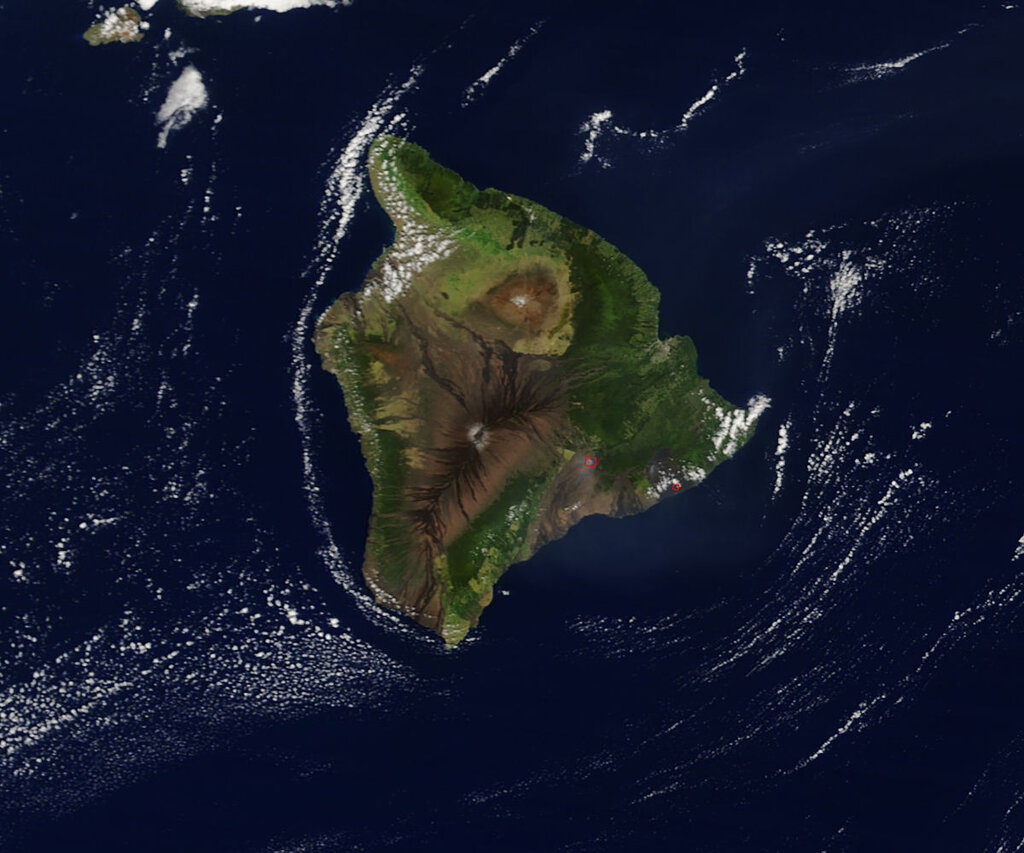
As you go up in elevation, the air gets thinner and colder. For every 1,000 feet you ascend, the temperature typically drops by about 3.5°F (2°C). It’s like climbing a ladder into a different climate zone. While the base of these mountains might be warm and tropical, their peaks are high enough to experience winter conditions.
Mauna Kea and Mauna Loa are the most prominent examples. They are so massive that they create their own weather systems, and their high altitudes are cold enough to support snowfall, especially during the winter months from December to February.
| Mountain | Island | Elevation |
|---|---|---|
| Mauna Kea | Big Island | 13,803 ft (4,207 m) |
| Mauna Loa | Big Island | 13,679 ft (4,169 m) |
| Haleakalā | Maui | 10,023 ft (3,055 m) |
Summit
noun
The highest point of a hill or mountain.
In Hawaii, altitude, not latitude, is what makes snowfall possible.
So while the beaches remain warm, the towering volcanic peaks create their own alpine environments, offering a stark and beautiful contrast to the tropical paradise below. Now, let's check what you've learned.
What is the primary reason snow can be found in Hawaii, despite its tropical location?
For every 1,000 feet you ascend a Hawaiian mountain, the temperature typically drops by about how much?
Understanding this unique combination of tropical climate and high-altitude geography is the first step to seeing how snow can exist in such an unexpected place.