Smart Used Car Buying
Understanding Used Car Market
Navigating the Used Car Market
Buying a used car can be a smart way to save money. You can often get a reliable vehicle for a fraction of the cost of a new one. But the used car market has its share of risks, from hidden mechanical problems to inflated prices. The key to a good purchase isn't luck; it's preparation.
Finding a trouble-free used car has nothing to do with luck and everything to do with applying good research and investigative skills.
With the right approach, you can navigate the process with confidence and drive away in a car you trust, at a price that's fair. It all starts with doing your homework before you ever step onto a car lot or meet a private seller.
Know the Car's Story
Every used car has a past. It might have been meticulously maintained, involved in a minor fender-bender, or even salvaged from a flood. You can't know just by looking. This is where a vehicle history report comes in.
Services like CARFAX or AutoCheck compile a car's history using its Vehicle Identification Number (VIN). A report will tell you about:
- Accident History: See if the car has been in any reported accidents.
- Title Status: Check for serious issues like a salvage title, which means an insurance company declared it a total loss.
- Service Records: Some reports include maintenance history, showing if the car was cared for properly.
- Odometer Readings: Verify that the mileage hasn't been rolled back.
Getting this report is one of the first and most important steps. It helps you weed out cars with deal-breaking problems before you waste time or money.
When purchasing a used car, obtaining a comprehensive vehicle history report is one of the most crucial steps you can take to ensure your investment is sound.
What's It Really Worth?
Once you've found a car with a clean history, you need to determine a fair price. A seller's asking price is just a starting point. The car's actual market value depends on its make, model, year, mileage, condition, and even your location.
Online resources like Kelley Blue Book (KBB) and Edmunds are essential tools. They provide pricing estimates based on vast amounts of data. When you look up a car's value, you'll typically see a few different numbers.
| Price Type | Description |
|---|---|
| Trade-In Value | The lowest value, what a dealer would likely offer you for your car. |
| Private Party Value | What you can expect to pay when buying from a private individual. |
| Retail Value | The highest value, what a dealership typically asks for a car on their lot. |
Knowing these values gives you a realistic price range and a powerful starting point for negotiation. If a seller's price is far above the average private party or retail value, you should ask why. This research arms you with the knowledge to make a fair offer.
In fact, getting a great deal on a car involves 90% preparation and 10% negotiation.
Common Pitfalls to Avoid
Even with a clean history report and a fair price in mind, there are traps to look out for. Some problems aren't documented and won't be obvious during a quick walk-around.
Hidden damage is a major concern. A car could have frame damage from a severe accident that was poorly repaired, or it could have been in a flood, leading to future electrical and rust problems. These issues can compromise the car's safety and reliability.
Another pitfall is overlooking mechanical issues. A car might look great and drive fine for a 10-minute test drive, but an underlying engine or transmission problem could be lurking. That's why one of the most recommended steps before buying a used car is getting a pre-purchase inspection.
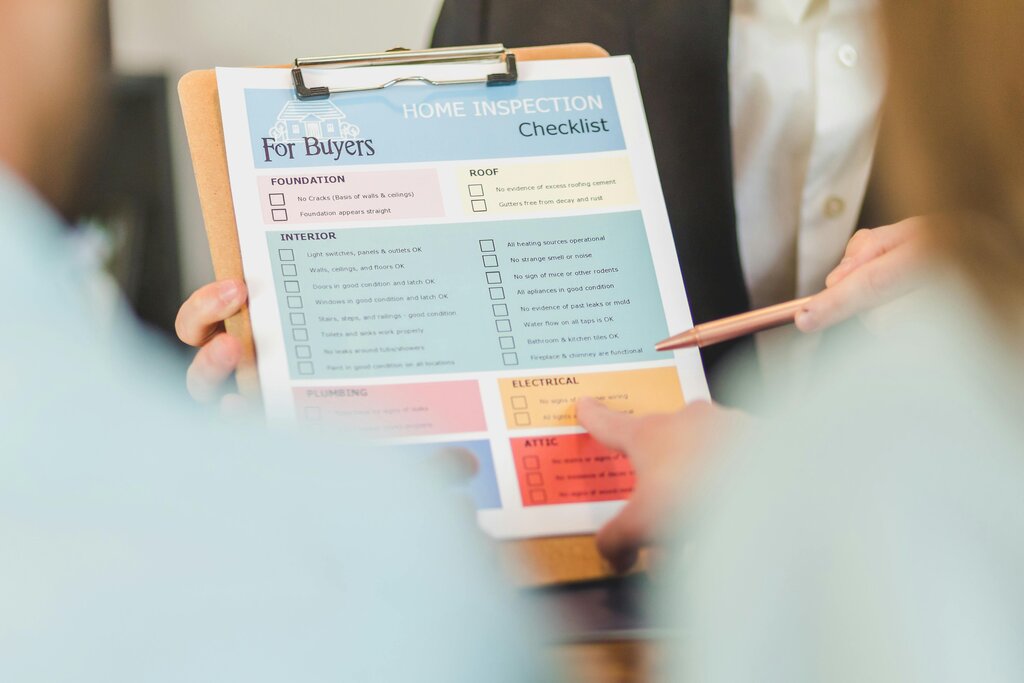
Get a Pre-Buy Inspection: This is a little-known secret that can save you from sinking money into a ticking time bomb or can give you a leg up on negotiating a used car price.
Have an independent, trusted mechanic look the car over. They can spot red flags you'd never notice, from worn-out parts to signs of hidden damage. The cost of an inspection is small compared to the potential cost of major repairs down the road. It provides peace of mind and ensures you know exactly what you're buying.
What is the primary purpose of obtaining a vehicle history report (like CARFAX or AutoCheck)?
Which resource is most essential for determining a fair market value for a used car?
By doing your research, you can protect yourself from common issues and make a smart investment.