Smart Used Car Buying
Understanding Used Car Market
Why Buy a Used Car?
The biggest advantage of buying a used car is simple: you save money. New cars lose a significant chunk of their value the moment they're driven off the dealership lot. This is called depreciation. By choosing a car that's a few years old, you let the first owner absorb that initial, steep drop in value.
But the savings don't stop at the sticker price. Insurance premiums and annual registration fees are typically lower for used vehicles. Your budget can also stretch further, giving you access to a wider range of models or higher-end features that might be too expensive if bought new.

Navigating the Risks
Of course, buying used comes with its own set of challenges. The biggest risk is the unknown history of the vehicle. Unlike a new car, a used one has a past that might include accidents, spotty maintenance, or hidden mechanical issues.
A great price on the surface can hide costly problems underneath.
These potential problems are why doing your homework is so important. A car could have anything from minor cosmetic flaws to serious frame damage from an unreported collision. Without a careful look, you could end up with a vehicle that needs expensive repairs soon after you buy it.
The Power of Inspection
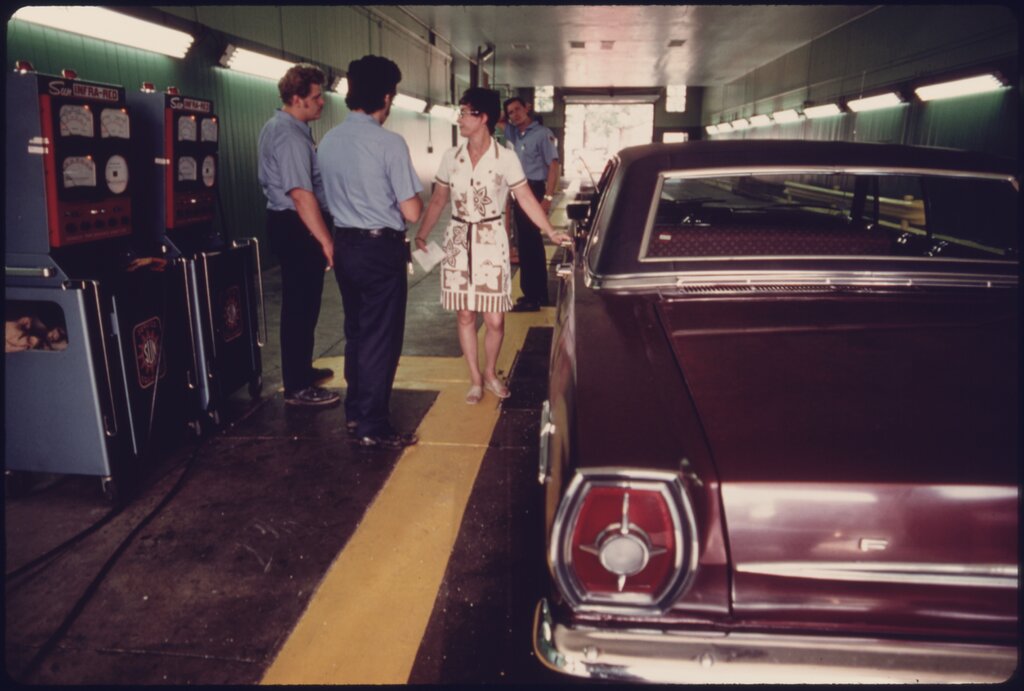
Your best defense against buying a car with hidden problems is a thorough inspection. This is the most crucial step in the used car buying process. It's how you move from hoping you got a good car to knowing you did.
Finding a trouble-free used car has nothing to do with luck and everything to do with applying good research and investigative skills.
Before you commit, arrange for a pre-purchase inspection (PPI). This means taking the car to a trusted, independent mechanic to have them look it over. They can spot issues you might miss, like signs of a previous accident, engine leaks, or worn-out parts. This professional assessment gives you a clear picture of the car's health and what future maintenance costs might look like.
Setting the Stage for Negotiation
Negotiation is a key part of buying a used car. Unlike the fixed prices at many new car dealerships, the price of a used car is often flexible. Your goal is to arrive at a price that's fair for both you and the seller, and the information you've gathered is your best tool.
The findings from the pre-purchase inspection are particularly powerful. If the mechanic uncovers issues that need fixing, you can use that information to justify a lower offer. For example, if the car needs new tires or brake pads, you can ask for a price reduction to cover those costs.
Negotiate car price after inspection by highlighting any discovered issues. Use these findings to justify a lower offer.
Ultimately, a confident purchase comes from being prepared. By understanding the benefits, acknowledging the risks, and using tools like inspections, you can navigate the used car market effectively and drive away with a reliable vehicle at a fair price.