Smart Tax Deductions and Credits
Understanding Tax Basics
What Is Taxable Income?
Not every dollar you receive is a dollar the government taxes. The first step in understanding your taxes is figuring out which income is taxable and which isn't. Taxable income is the portion of your earnings that's subject to taxes. This includes the obvious things, like your salary from a job or profits from a side business.
It also includes less common sources, like investment earnings, certain retirement distributions, and even winnings from the lottery. On the other hand, some money you receive is considered non-taxable. This means you don't have to report it as income, and you don't owe any tax on it. Common examples include gifts, inheritances, and child support payments.
| Typically Taxable Income | Typically Non-Taxable Income |
|---|---|
| Wages and salaries | Gifts and inheritances |
| Freelance or business income | Child support payments |
| Investment interest and dividends | Most life insurance payouts |
| Rental income | Welfare benefits |
| Winnings from gambling | Most scholarship grants |
From Gross to Adjusted Gross
Before you can calculate your tax, you need to find a key figure called Adjusted Gross Income, or AGI. Think of it as a two-step process. First, you add up all your taxable income from every source. This grand total is your Gross Income.
But you don't get taxed on that whole amount. The tax code allows you to subtract specific expenses, called "above-the-line" deductions, directly from your gross income. These can include things like contributions to a traditional IRA, student loan interest paid during the year, or contributions to a health savings account.
After you subtract these adjustments, the number you're left with is your AGI. This is a crucial number because it's the starting point for calculating your final taxable income and can affect your eligibility for various tax breaks.
Your Adjusted Gross Income (AGI) is your gross income minus specific, allowable adjustments. It's the primary number used to determine your overall tax liability.
How Tax Brackets Work
The United States uses a progressive tax system. This means that people with higher taxable incomes are taxed at higher rates. But there’s a common misconception about how this works. Getting a raise that pushes you into a higher tax bracket does not mean all your income is now taxed at that new, higher rate.
Think of your income filling up a series of buckets. The first bucket is taxed at the lowest rate. Once it's full, the next portion of your income spills into the next bucket, which is taxed at a slightly higher rate, and so on. Your highest tax rate only applies to the income that falls into that top bucket.
For example, let's say the first tax bracket is 10% on income up to $11,000. If you make $50,000, only the first $11,000 is taxed at 10%. The rest of your income falls into higher brackets and gets taxed at their corresponding rates.
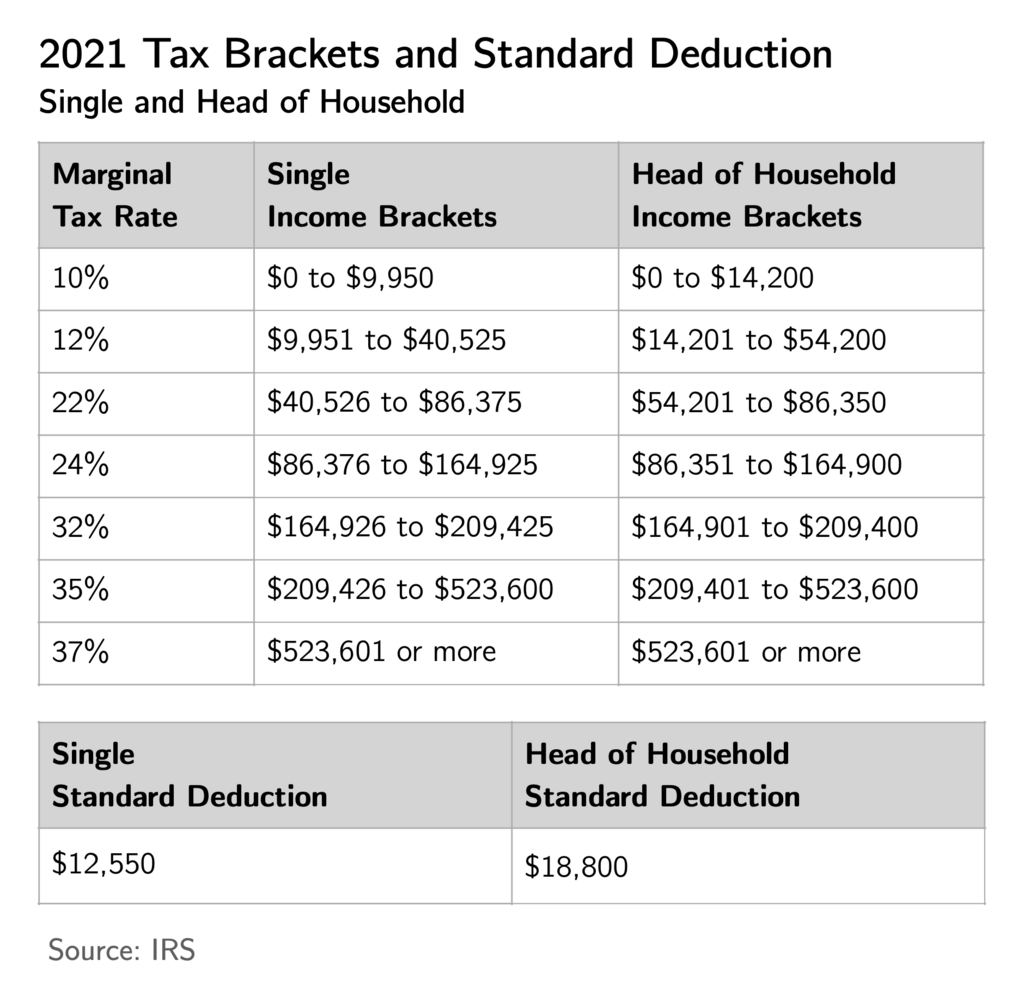
This system ensures that everyone pays the same low rate on their first dollars of income, with higher rates kicking in only as income increases.
Keeping Good Records
Keeping organized financial records is not just good practice—it's essential for filing an accurate tax return. At a minimum, you should keep copies of all your income statements (like W-2s from employers and 1099s from freelance work) and records of any expenses you plan to deduct. This could include receipts for business expenses, records of charitable donations, or statements of student loan interest paid.
If the IRS ever questions something on your return, which is called an audit, you'll need these records to prove your income and expenses. Without them, you could face penalties and owe more in taxes. Holding onto tax-related documents for at least three years after you file is a good rule of thumb, though some records should be kept longer.
Failing to file a tax return or knowingly providing false information can lead to serious consequences, including financial penalties, interest charges, and in rare cases, criminal prosecution. The IRS can assess penalties for late filing, late payment, and substantial understatement of tax. It's always best to file on time and be as accurate as possible.
Ready to check your understanding of these core tax concepts?