Smart Irrigation Water Management
Introduction to Smart Irrigation
Beyond the Sprinkler
For centuries, farming has followed a simple rule for watering: turn on the water, let it run, and turn it off. This traditional approach, often called flood or furrow irrigation, works on a fixed schedule. It's predictable, but not very precise. A lot of water gets wasted through runoff or evaporation, and plants don't always get the moisture they need, when they need it.
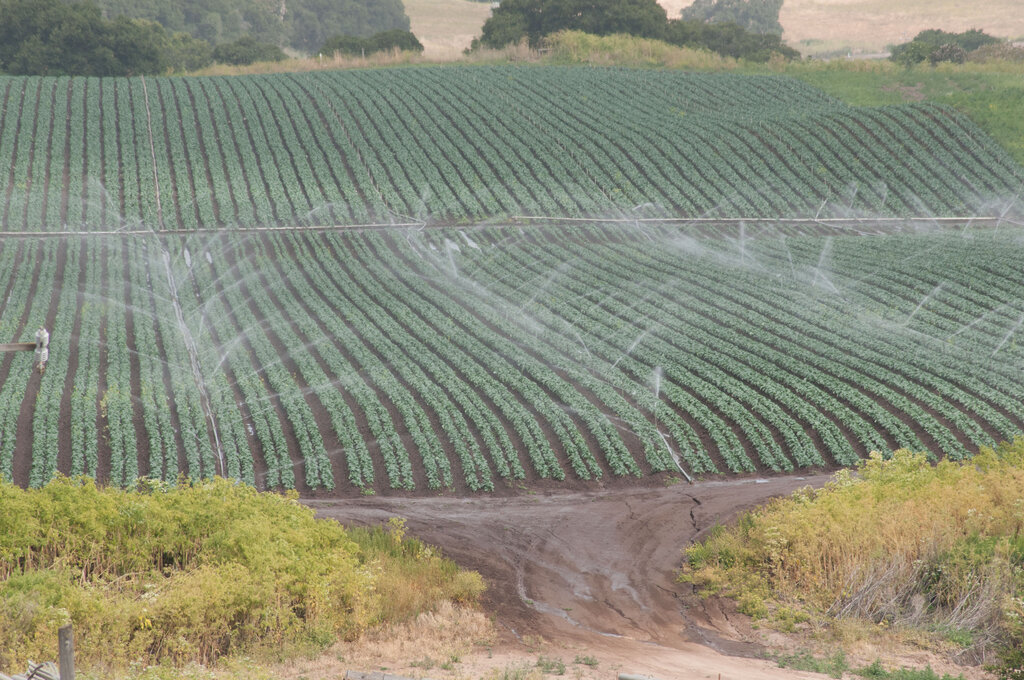
Smart irrigation changes the game. Instead of relying on a calendar, these systems use technology to make watering decisions based on real-time information. Think of it like this: a traditional sprinkler is like a lamp on a simple timer, turning on and off at the same time every day. A smart irrigation system is like a motion-activated light that only turns on when someone is actually in the room. It responds to its environment.
The goal of smart irrigation is to give plants the exact amount of water they need, precisely when they need it.
The Brains of the System
Smart irrigation systems aren't just one piece of equipment. They are a team of technologies working together. The main players are sensors, controllers, and data analytics.
Sensor
noun
A device that detects or measures a physical property and records, indicates, or otherwise responds to it.
First, you have sensors. These are the eyes and ears of the system, placed in the field to gather information. They can measure the moisture level in the soil, check the local weather, or even monitor the health of the plants themselves. This data provides a constant, up-to-the-minute picture of what's happening on the ground.
Next comes the controller. This is the brain. It takes all the information from the sensors and decides what to do. If the soil moisture sensor reports that the ground is dry and the weather forecast shows no rain, the controller will activate the irrigation system. If it detects enough moisture, it keeps the water off, saving resources.
Finally, data analytics acts as the system's memory. It processes the information collected over time to spot trends and patterns. By analyzing this historical data, the system can make smarter predictions about future water needs, fine-tuning its schedule for even greater efficiency. It learns and adapts.
Smarter Watering, Better Harvests
The benefits of switching to smart irrigation are clear. The most immediate is water conservation. By delivering water only where and when it's needed, farms can drastically cut down on waste. This not only saves a precious resource but also reduces operational costs, like the energy needed to pump water.
By employing precision irrigation techniques, farmers can ensure that crops receive the right amount of water at the right time, reducing waste and energy consumption.
Beyond saving water, smart irrigation leads to healthier plants and bigger harvests. Plants that receive consistent, optimal moisture are more resilient and productive. They avoid the stress of being too dry or the risk of root diseases from being waterlogged. This precision care translates directly into improved crop quality and yield, helping farmers grow more with less.
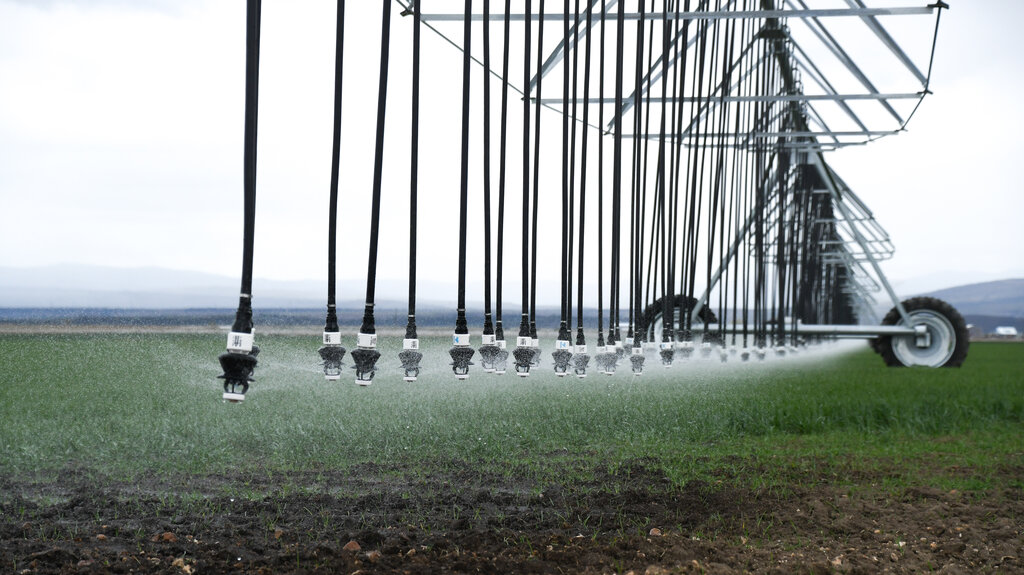
These systems represent a fundamental shift in how we manage water in agriculture, moving from guesswork to data-driven decisions.
Ready to check your understanding?
What is the primary difference between traditional irrigation and smart irrigation?
In a smart irrigation system, which component is analogous to the system's 'brain,' making decisions based on collected data?
By combining sensors, controllers, and data, smart irrigation provides a powerful tool for sustainable farming.