Smart Homemade Ice Cream Machine
Understanding Ice Cream Making
More Than Just Freezing
Making ice cream is a bit of a balancing act. It’s not as simple as freezing sweetened cream in your freezer. If you tried that, you’d end up with a solid, icy brick, not the smooth, scoopable dessert you love.
The secret lies in controlling how the water in the mixture freezes. Pure water turns to ice at a straightforward 0°C (32°F). But an ice cream base isn't pure water. It’s full of sugar, fat, and proteins. These dissolved solids get in the way of water molecules trying to link up and form ice crystals. This phenomenon is called freezing point depression.
Because of freezing point depression, your ice cream mix needs to be cooled to well below 0°C, usually between -3°C and -6°C (27°F to 21°F), to start freezing properly.
Think about salting icy roads in the winter. The salt mixes with the thin layer of water on the ice, creating a saltwater solution. This solution has a lower freezing point than pure water, which causes the surrounding ice to melt. Sugar works in a similar way in ice cream, disrupting the formation of a solid ice structure and keeping the final product soft enough to scoop.
The Building Blocks of Creaminess
The final texture of ice cream depends heavily on its ingredients. Each one plays a specific and crucial role.
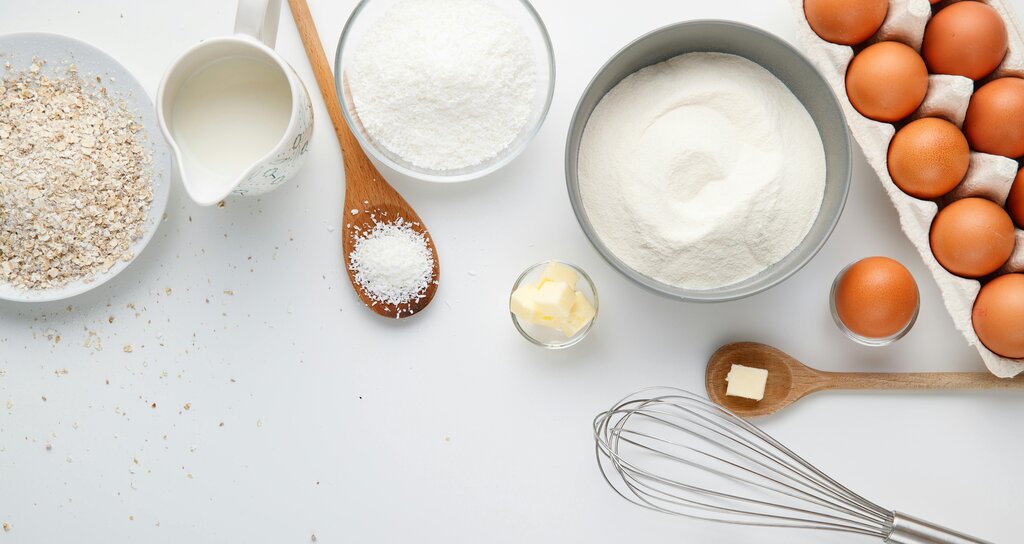
Fat, which comes from milk and cream, is essential for a smooth mouthfeel. During the churning process, tiny fat globules cluster together and coat the developing ice crystals. This lubricates the mixture and prevents the crystals from growing too large, which would result in a gritty or icy texture. Higher fat content generally leads to a richer, creamier ice cream.
Sugar does more than add sweetness. As we've seen, it lowers the freezing point of the mixture. This ensures that not all the water in the base freezes solid. A portion remains liquid, trapped between the ice crystals, which gives ice cream its characteristic soft, spoonable consistency right out of the freezer.
Air is the invisible ingredient. It's whipped into the mixture during churning, a process that increases the volume of the ice cream. This increase is known as "overrun." A small amount of air makes the ice cream lighter and softer; too much can make it feel airy and cheap.
The Importance of the Churn
Churning is the most critical step in creating a smooth texture. It involves simultaneously stirring and freezing the ice cream base. This constant motion does two things perfectly.
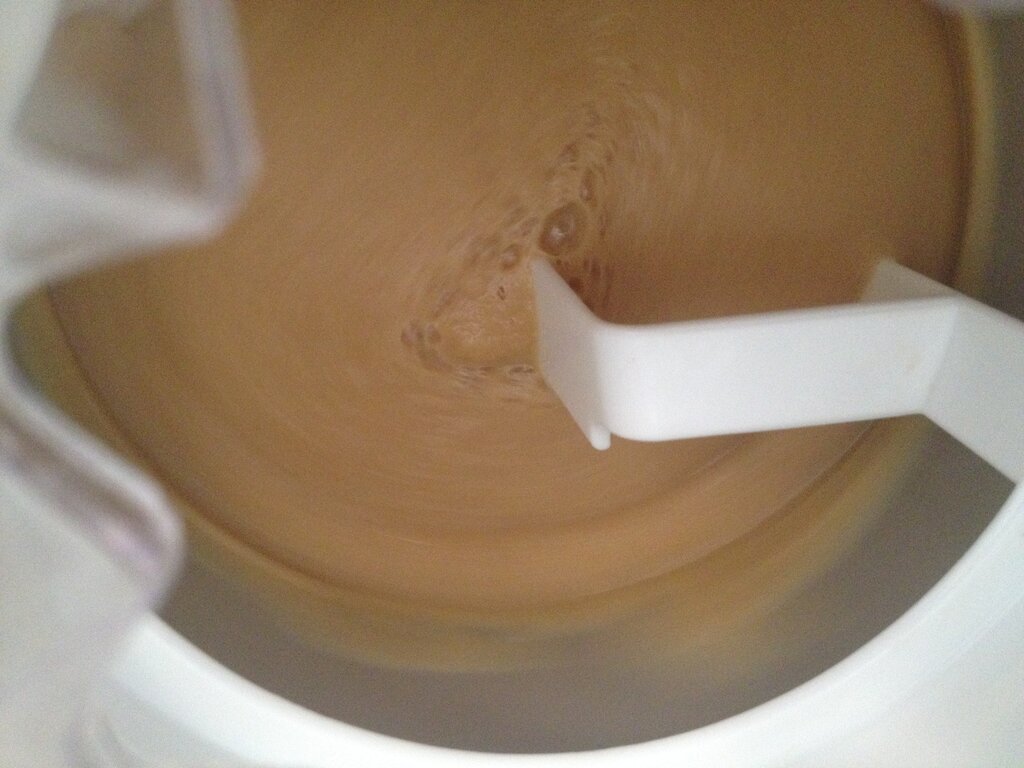
First, it incorporates air into the mixture, giving the final product its light and airy quality. Without churning, the ice cream would be dense and heavy.
Second, and most importantly, the churning action breaks up large ice crystals as they form. The paddle of an ice cream maker constantly scrapes the frozen mixture off the cold sides of the container, breaking up any large crystals and ensuring they stay microscopic. The goal is to create many, many tiny ice crystals instead of a few large ones. This is the key to a creamy texture.
Smaller ice crystals result in a smoother, creamier ice cream. Larger crystals create a grainy, icy texture.
Controlling the Chill
Temperature control is everything. The process needs to happen quickly. If the mixture freezes too slowly, the water molecules have more time to find each other and form large, crunchy ice crystals, no matter how much you churn.
A fast freeze keeps the crystals small. Commercial ice cream makers use powerful refrigeration to freeze the base in minutes. Home machines achieve this by using a pre-frozen bowl, which provides an intensely cold surface to freeze the mixture against as it churns.
After churning, the ice cream is still relatively soft, like a thick milkshake. It then needs to be "hardened" by placing it in a very cold freezer, typically below -18°C (0°F). This step freezes more of the remaining water without agitation, solidifying the structure while keeping the tiny ice crystals locked in place.
Now that we understand the science, let's test your knowledge.
What is the primary role of sugar in ice cream, besides providing sweetness?
During the churning process, the constant motion is critical for breaking up large ice crystals as they form.
By balancing these elements—ingredients, churning, and temperature—you can create smooth, delicious ice cream every time.