Smart Home Organization for Reduced Stress
Understanding Smart Home Basics
What Makes a Home 'Smart'?
A smart home is simply a house equipped with devices that can be controlled remotely, often from a smartphone, tablet, or voice command. These devices are connected to the internet, allowing them to communicate with each other and with you.
The goal isn't just about having cool gadgets. It's about making your life easier. Think of it as automating the small, repetitive tasks that add to your daily mental load. Did I turn off the lights downstairs? Is the front door locked? Instead of worrying, you can just check an app or have your home handle it for you automatically.
By automating routines, a smart home can help reduce clutter, both physically (fewer timers and switches) and mentally (fewer things to remember).
The Building Blocks
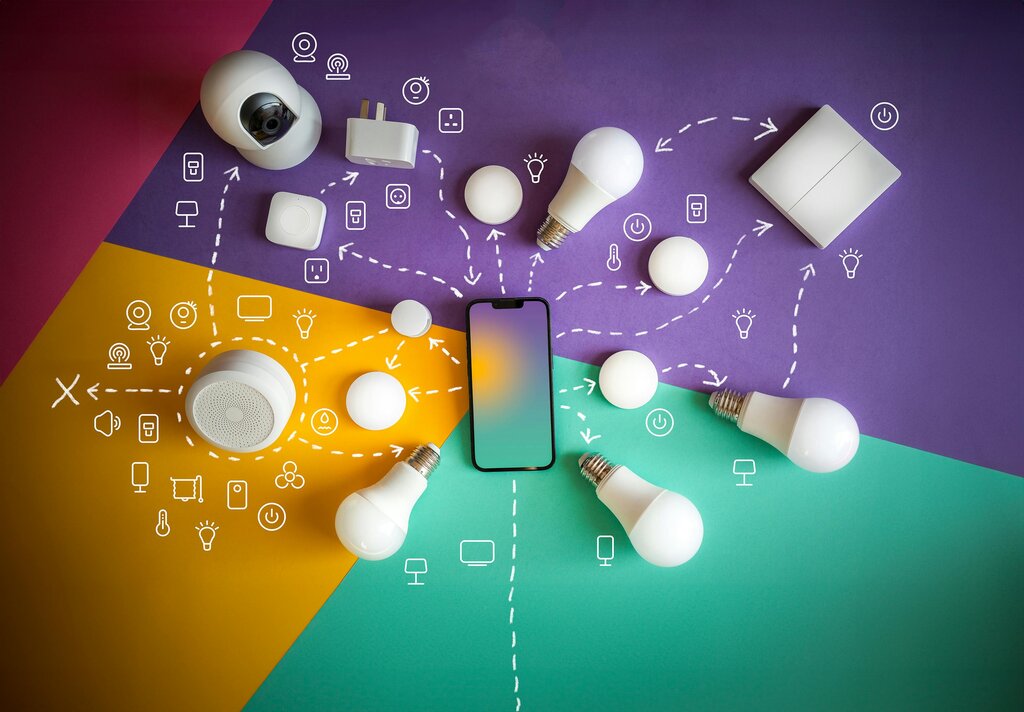
Every smart home system, no matter how simple or complex, is built from three basic types of components: hubs, sensors, and actuators.
Hub
noun
The central brain of your smart home. It connects all your devices and allows them to work together.
Think of the hub as an orchestra conductor. It takes instructions from you (the composer) and directs all the different instruments (your devices) to play in harmony.
Next are the sensors, which act as the eyes and ears of your home. They detect changes in the environment, like motion, temperature, or whether a door is open or closed. They don't do anything on their own; they just report information back to the hub.
Finally, we have actuators. These are the devices that carry out the actions. A smart light bulb that turns on, a smart lock that engages, or a smart plug that powers a fan are all actuators. They are the hands and feet of the system.
How Devices Communicate
For your smart devices to work, they need a way to talk to each other. They do this using wireless communication standards, often called protocols. While there are many, most devices use one of three main types: Wi-Fi, Zigbee, or Z-Wave.
| Protocol | How It Works | Best For |
|---|---|---|
| Wi-Fi | Connects directly to your home router, just like your computer or phone. | Devices that need high speed, like security cameras that stream video. |
| Zigbee | Creates a separate low-power “mesh network.” Devices can relay signals to each other. | Battery-powered devices like sensors. Good for large areas. |
| Z-Wave | Also a low-power mesh network, similar to Zigbee. All devices are certified to work together. | Reliability and compatibility within its own ecosystem. |
The key idea behind Zigbee and Z-Wave is the mesh network. Instead of every device needing a strong connection back to your router, they can pass messages along from one device to the next. This makes the network stronger and extends its range, ensuring even a sensor in a distant corner of your house can communicate reliably.
The Role of Voice Assistants
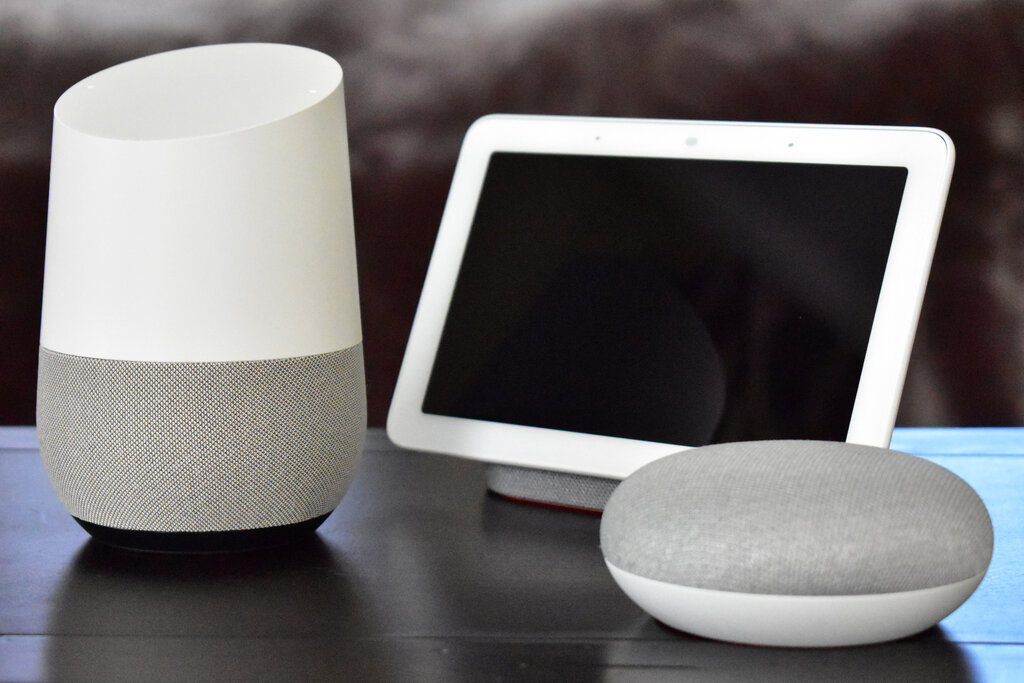
Voice assistants like Amazon Alexa, Google Assistant, and Apple's Siri have become a popular way to interact with smart homes. They act as a user-friendly command center.
Instead of opening an app to turn on the lights, you can simply say, "Hey Google, turn on the kitchen lights." The voice assistant interprets your command and sends the instruction to the correct hub or device. This provides a hands-free way to manage your home, which is especially useful when you're cooking, carrying groceries, or just getting comfortable on the couch.
By understanding these basic concepts—the what, why, and how—you have a solid foundation for exploring the world of smart home technology. It's not about filling your home with technology, but about using a few key pieces to make your space work better for you.
What is the primary goal of setting up a smart home?
Which of the following lists the three fundamental components of any smart home system?