Smart Home Organization for Reduced Stress
Understanding Smart Home Basics
What Makes a Home Smart?
A smart home isn't just about controlling your lights from your phone. It's an ecosystem of devices that communicate with each other to automate tasks and make your life easier. Think of it as a home that anticipates your needs, from brewing your coffee in the morning to turning off the lights when you go to bed. This automation helps clear your mind of small, repetitive tasks, giving you more time and energy for what truly matters.
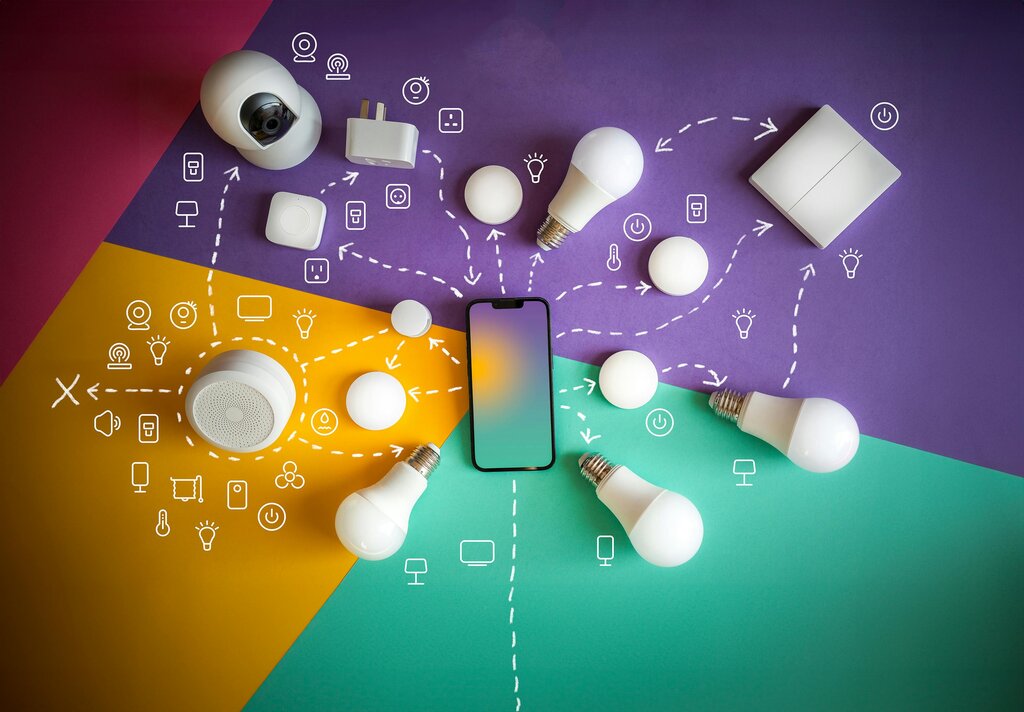
The goal is to create a living space that works for you, not the other way around. By handling routine chores, a smart home can reduce mental clutter and the anxiety that often comes with a disorganized environment. It's about creating a sense of calm and control in your personal sanctuary.
The Core Components
Every smart home is built on a few key building blocks. Understanding them is the first step to creating your own automated space.
A smart home system generally has three main parts: a central hub, the smart devices themselves, and the communication protocols that let them talk to each other.
The Hub: This is the brain of your smart home. It's a central device that connects all your other gadgets, allowing them to work together. While some systems can work without a dedicated hub by using Wi-Fi and apps, a hub streamlines control into a single place. It acts as a translator, ensuring all your devices can understand one another.
Smart Devices: These are the hands and feet of your system. They include everything from light bulbs, plugs, and thermostats to locks, cameras, and speakers. Each device is designed to perform a specific function and can be controlled remotely or through automated schedules.
Communication Protocols: These are the invisible languages that your devices use to communicate. You'll often see names like Wi-Fi, Bluetooth, Zigbee, and Z-Wave. You don't need to be an expert, but it's helpful to know they exist. Wi-Fi and Bluetooth are common and connect directly to your phone or router. Zigbee and Z-Wave create their own special mesh network, which can be more reliable and use less power, but they typically require a hub to connect to the internet.
Getting Started Without the Headaches
Building a smart home sounds futuristic, but it can also seem daunting. It’s easy to get lost in a sea of brands and technical terms. The key is to start simple and focus on what will make the biggest difference for you.
Start small. You don’t need a full smart home setup. Begin with one device—like a smart bulb or a voice assistant—and build from there.
Here are a few common hurdles and how to approach them:
- Compatibility: Not all devices work together. Before buying, check if a product is compatible with your existing setup (like Amazon Alexa, Google Assistant, or Apple HomeKit). Look for logos like "Works with Alexa" or support for standards like Matter, a newer protocol designed to make different devices play nicely together.
- Cost: Smart devices can be an investment. You don't need to buy everything at once. Identify one or two small annoyances in your daily routine and find a smart device that solves them. A few smart plugs to automate lamps or a smart speaker to play music can be an affordable first step.
- Privacy: Connected devices collect data, so it's wise to be mindful of security. Stick to well-known, reputable brands that have a track record of providing security updates. Always change the default passwords on your devices and be cautious about what information you share.
Ready to test your knowledge on smart home basics?
What is the primary role of a central hub in a smart home ecosystem?
Zigbee and Z-Wave are examples of:
By understanding these fundamentals, you can begin to build a smart home that truly serves your needs, helping you create a more organized and stress-free living environment.