Smart Home Organization for Reduced Anxiety
Understanding Smart Home Basics
What Makes a Home Smart?
A smart home isn't just about controlling your lights with your phone. It's a home where various devices connect to the internet and to each other, allowing you to automate and manage them from a central point. Think of it as giving your house a brain that can handle routine tasks for you.
The real magic is in automation. Instead of you remembering to turn down the thermostat at night, your smart home does it for you. Instead of worrying if you left the coffee pot on, you can check from anywhere and turn it off remotely. This automation is designed to streamline your life, freeing up mental energy you'd otherwise spend on small, repetitive chores.
The goal of a smart home is to make your environment responsive to your needs, often without you even having to ask.
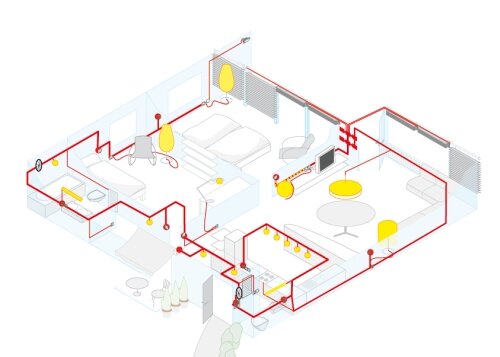
By handling these little tasks, a well-organized smart home helps reduce day-to-day stress and clutter. Your home starts to anticipate your needs, creating a smoother, more organized living space.
The Basic Building Blocks
Getting started with a smart home is easier than you might think. You don't need to overhaul your entire house at once. A few key devices can make a big impact.
-
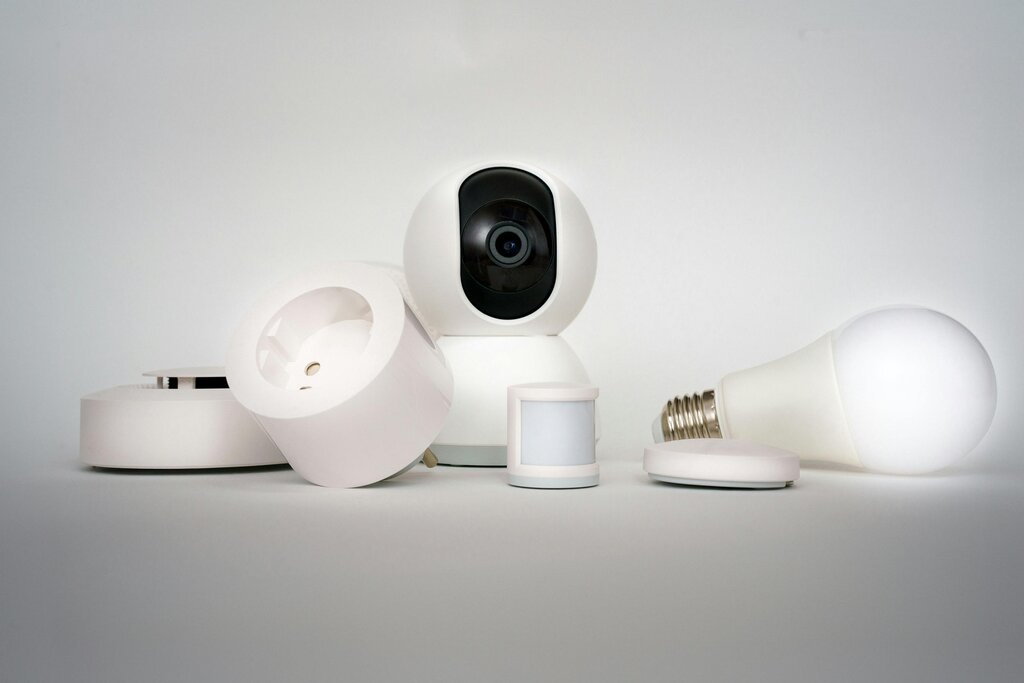
Smart Speakers and Voice Assistants: These are often the central command center of a smart home. Devices like Amazon Echo or Google Nest Hub let you use your voice to control other connected gadgets, play music, or get information.
-
Smart Lighting: Smart bulbs and switches allow you to control your lights remotely. You can dim them, change their color, and set schedules. For example, you can program your lights to slowly brighten in the morning to help you wake up naturally.
-
Smart Plugs: These are one of the simplest ways to begin. You can plug any ordinary appliance, like a fan or a lamp, into a smart plug. Instantly, that device can be controlled from your phone or by voice command.
-
Smart Thermostats: These devices learn your daily routines and adjust the temperature automatically, saving energy and ensuring your home is always comfortable when you're there.
Making Everything Work Together
For a smart home to be truly helpful, its different parts need to communicate. This ability for devices to work together is called interoperability. Without it, you’d be stuck juggling a dozen different apps to control a dozen different devices, which isn't very smart at all.
Imagine telling your voice assistant "Good night." In a connected system, this single command could trigger a sequence of actions: your lights turn off, your thermostat lowers, and your doors lock. This seamless interaction is what makes a smart home powerful.
Interoperability is the key that unlocks true home automation, turning a collection of gadgets into a cohesive system.
This is where central hubs and platforms come in. A smart home hub acts as the translator, allowing devices from different brands that use different wireless protocols (like Wi-Fi, Zigbee, or Z-Wave) to talk to each other. Your smart speaker can often act as a basic hub. As your system grows, a dedicated hub can provide more reliable and extensive control, ensuring all your devices work in harmony.
These platforms, like Apple HomeKit, Amazon Alexa, or Google Home, provide a single app to manage everything. Instead of opening one app for your lights and another for your security camera, you can see and control everything from one unified dashboard.
Let's check your understanding of these core concepts.
What is the primary purpose of home automation?
Why is "interoperability" a key concept in creating a truly helpful smart home?
By understanding these fundamentals, you can begin to build a smart home that truly simplifies your life.