Smart Home Organization for Mental Clarity
Understanding Smart Home Systems
What Makes a Home 'Smart'?
A smart home is more than just a collection of gadgets. It’s a connected ecosystem where devices work together to automate tasks and make your life easier. Think of it like an orchestra. You have individual instruments—lights, thermostats, locks, speakers—but they don't just play random notes. A conductor, or a central system, coordinates them to create a seamless experience.
The core idea is simple: devices communicate with each other, and with you, to anticipate your needs and handle routine tasks automatically.
This system typically has three main parts: sensors that gather information (like motion detectors or temperature sensors), actuators that perform actions (like a smart plug turning on a fan or a lock securing a door), and a central hub that processes the information and gives the commands. This hub could be a dedicated device, your Wi-Fi router, or even a smart speaker.
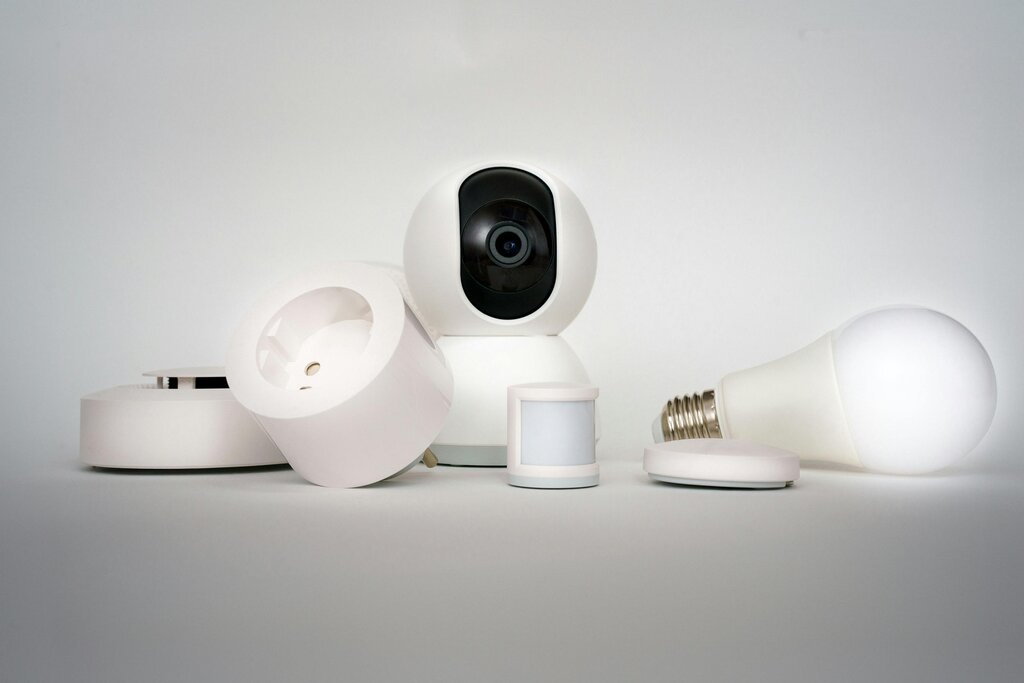
The Building Blocks
While there are countless smart devices, most smart homes are built around a few key components.
Smart Lighting: This goes beyond turning lights on and off with your phone. You can dim them for movie night, change their color to match your mood, or schedule them to turn on gradually in the morning for a gentle wake-up call.
Smart Thermostats: These devices learn your daily routine and adjust the temperature automatically. They can warm the house just before you get home from work and lower the temperature when you're away, saving energy and money without you having to think about it.
Smart Security: This includes cameras, door locks, and window sensors. You can get an alert on your phone if a door opens unexpectedly, check a live camera feed while you're on vacation, or grant temporary access to a visitor without needing a physical key.
Voice Assistants: Devices like Amazon Alexa, Google Assistant, or Apple's Siri often act as the central controller. They allow you to manage all your other smart devices with simple voice commands, like "turn off the living room lights" or "set the thermostat to 72 degrees."
Benefits Beyond Convenience
The most obvious benefit of a smart home is convenience. Automating small, daily tasks frees up your time and mental energy. Instead of running through a checklist every time you leave the house—did I turn off the lights, lock the door, adjust the heat?—the system can do it for you with a single command or automatically based on your phone's location.
Smart appliances reduce mental load by learning and adapting to your routine, saving time and effort.
Energy savings are another significant advantage. A smart thermostat prevents you from heating or cooling an empty house. Smart lighting can automatically turn off when a room is unoccupied. Over time, these small adjustments can lead to noticeable reductions in your utility bills.
Finally, there's peace of mind. A smart security system provides a direct line of sight to your home, no matter where you are. Smart smoke and carbon monoxide detectors can send an alert to your phone, giving you critical information sooner.
Making It All Work Together
The magic of a smart home lies in integration. When devices from different manufacturers can communicate, you can create powerful automations. For example, you can set up a "good morning" routine where your lights slowly brighten, the thermostat adjusts, and your smart speaker starts playing the news.
However, not all devices speak the same language. Before buying a new gadget, it's important to check for compatibility. Look for labels like "Works with Google Home," "Works with Apple HomeKit," or "Works with Amazon Alexa." These indicate that the device can be easily integrated into your existing system. Many devices also use common standards like Wi-Fi, Zigbee, or Z-Wave to communicate, which helps ensure they can work together.
Now, let's test your understanding of how these systems operate.
What is the primary role of a central hub in a smart home ecosystem?
A smart smoke detector sending an alert to your phone is primarily an example of which smart home benefit?
Building a smart home is a gradual process. You can start with a single device and slowly add more as you discover what works best for your household.