Smart Home Organization for Mental Clarity
Introduction to Smart Home Systems
What Is a Smart Home?
A smart home is a residence equipped with devices that can be controlled remotely via the internet using a smartphone or other networked device. These devices can also be set up to work together automatically.
Think of it like an orchestra. Each instrument—a light bulb, a thermostat, a coffee maker—can play its own tune. But the real magic happens when a conductor tells them all what to do and when. In a smart home, you are the conductor, and your smartphone or smart speaker is the baton.
The core components are simple. First, you have the smart devices themselves. These are everyday objects that have been given the ability to connect to the internet. Second, you usually have a central point of control, like an app on your phone or a smart speaker. This is where you give your commands.
The Building Blocks
Getting started with a smart home doesn't mean you have to replace everything you own. You can begin with just one or two simple devices. Here are some of the most common starting points:
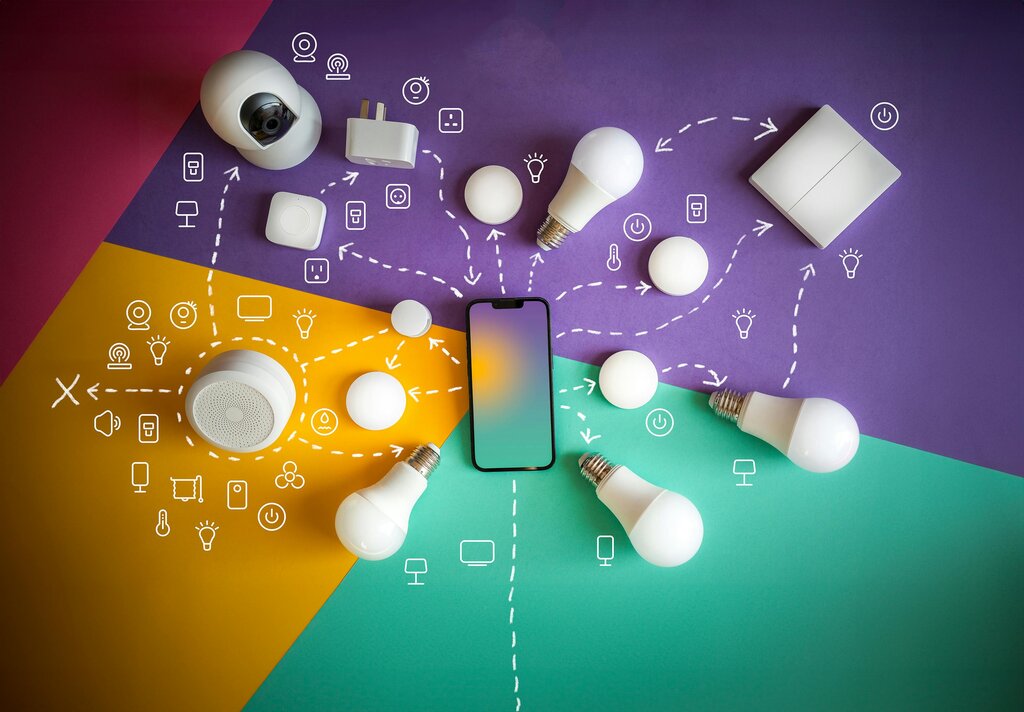
- Smart Speakers: These are often the brain of the operation. Devices like Amazon Echo or Google Nest let you use your voice to control other devices, ask questions, set timers, and play music. They act as a central hub.
- Smart Lights: These are more than just fancy light bulbs. You can dim them, change their color, and set schedules, all from an app or with your voice. You can schedule them to turn on when you wake up or dim in the evening to help you wind down.
- Smart Plugs: This is the easiest way to make almost any appliance "smart." Plug a regular lamp, fan, or coffee maker into a smart plug, and you can now turn it on or off remotely. You can schedule your coffee to start brewing the moment your alarm goes off.
Hub
noun
A central device that connects other devices on a home automation network and controls communication among them.
More Than Just Gadgets
The real benefit of a smart home isn't just the convenience of turning off a light from your couch. It's about reducing your mental load. We all carry a running checklist in our minds: Did I turn off the lights? Did I start the dishwasher? Did I remember to turn down the heat?
Automating these small, repetitive tasks frees up mental energy. Instead of remembering to do something, you set it up once and let it run. Waking up to a warm, brightly lit room with the smell of coffee already brewing doesn't just save you a few minutes; it removes a handful of small decisions and tasks from the start of your day.
By automating routines, a smart home helps clear mental clutter, allowing you to focus on more important things.
This leads to a more organized and peaceful living environment. When your home anticipates your needs, things feel less chaotic. Your lights can automatically turn on as you arrive home on a dark evening. Your thermostat can learn your schedule and adjust the temperature for you. These small efficiencies add up, making your home feel like a true partner in managing your day.
Making Everything Work Together
To get your devices to communicate, you need to pay attention to their ecosystem. An ecosystem is a family of devices that are designed to work together seamlessly. The most common ones are Amazon Alexa, Google Home, and Apple HomeKit.
When buying a new device, you'll usually see a "Works with Alexa" or "Works with Google Home" logo on the box. This is your clue that it will integrate easily with the other devices in that ecosystem. While you can sometimes mix and match, sticking to one primary ecosystem makes setup and daily use much simpler.
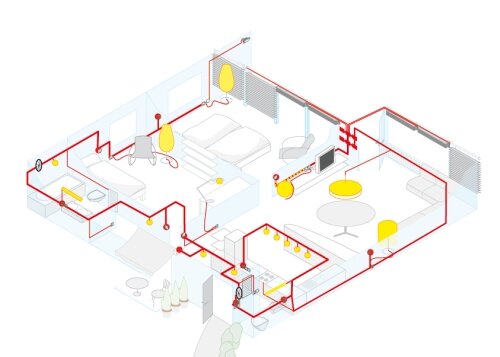
Think of it as choosing a team for your home. If your smart speaker is the captain, you want to fill your roster with players who speak the same language. This ensures that when you give a command, everyone understands and works together to get the job done.