Smart Home Organization for a Calmer Life
Understanding Mental Load
The Invisible To-Do List
Have you ever felt like your brain is a web browser with too many tabs open? That feeling of juggling a constant, running list of tasks, reminders, and plans is often called the mental load.
Mental Load
noun
The cognitive effort involved in managing and organizing tasks, responsibilities, and information, much of which is often invisible or goes unnoticed by others.
It’s not just about doing the chores; it’s about remembering that the chores need to be done. It's the background work of running a life: noticing the milk is low, scheduling the dentist appointment, planning a parent's birthday gift, and keeping track of bills. This invisible labor requires significant mental energy and can lead to feelings of being overwhelmed and constantly stressed.

If you constantly feel mentally exhausted or stressed at home trying to juggle life admin and cleaning, then you may be carrying too big a mental load.
How Clutter Affects Your Brain
Our physical environment has a direct impact on our mental state. When your space is filled with clutter, your brain has to work harder to filter out irrelevant information. Every object in your line of sight competes for your attention, creating a subtle but constant source of distraction.
This visual noise makes it difficult to focus and relax. A messy room can act as a constant, physical reminder of unfinished tasks and disorganization, which can trigger feelings of anxiety, guilt, or inadequacy. Studies have shown that living in a cluttered environment can even lead to higher levels of cortisol, the body's primary stress hormone.

Simply put, physical clutter often creates mental clutter. When your surroundings are chaotic, your mind can feel the same way.
The Calm of an Organized Space
Conversely, creating an organized living space can have a profoundly positive effect on your well-being. When your environment is orderly, your mind doesn't have to work as hard to process its surroundings. This frees up cognitive resources, making it easier to focus, think clearly, and be creative.
An organized space promotes a sense of calm and control. Knowing where things are reduces the daily friction of searching for lost items and eliminates a source of unnecessary stress. It provides a peaceful refuge from the chaos of the outside world, allowing you to relax and recharge more effectively.
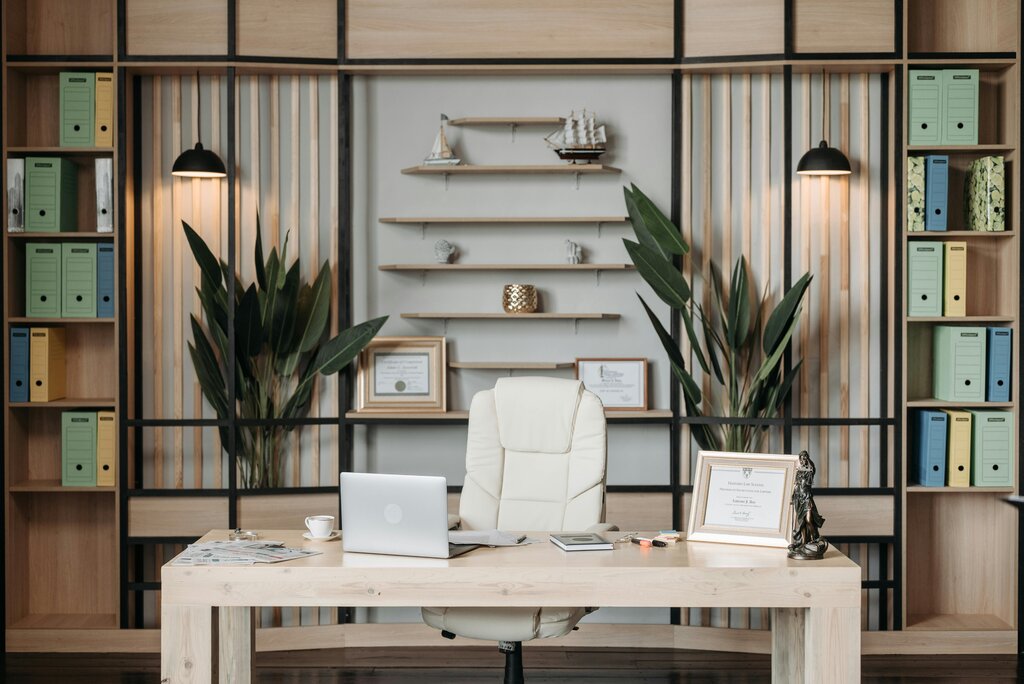
By tidying our physical world, we can help tidy our minds, reducing our mental load and improving our overall quality of life.