Smart Home Organization for a Calmer Life
Understanding Smart Home Systems
What Makes a Home 'Smart'?
A smart home is a residence equipped with devices that automate tasks typically handled by people. Think of it as putting parts of your home on autopilot. Instead of manually flipping switches, turning knobs, or setting alarms, you can control these devices remotely with an app or your voice. More importantly, you can set them up to run on their own schedule.
The magic behind this is the Internet of Things, or IoT. It's the network that connects everyday objects—from light bulbs to coffee makers—to the internet and to each other. This connectivity allows them to send and receive data, turning simple objects into smart devices.
Internet of Things
noun
A network of physical objects embedded with sensors, software, and other technologies for the purpose of connecting and exchanging data with other devices and systems over the internet.
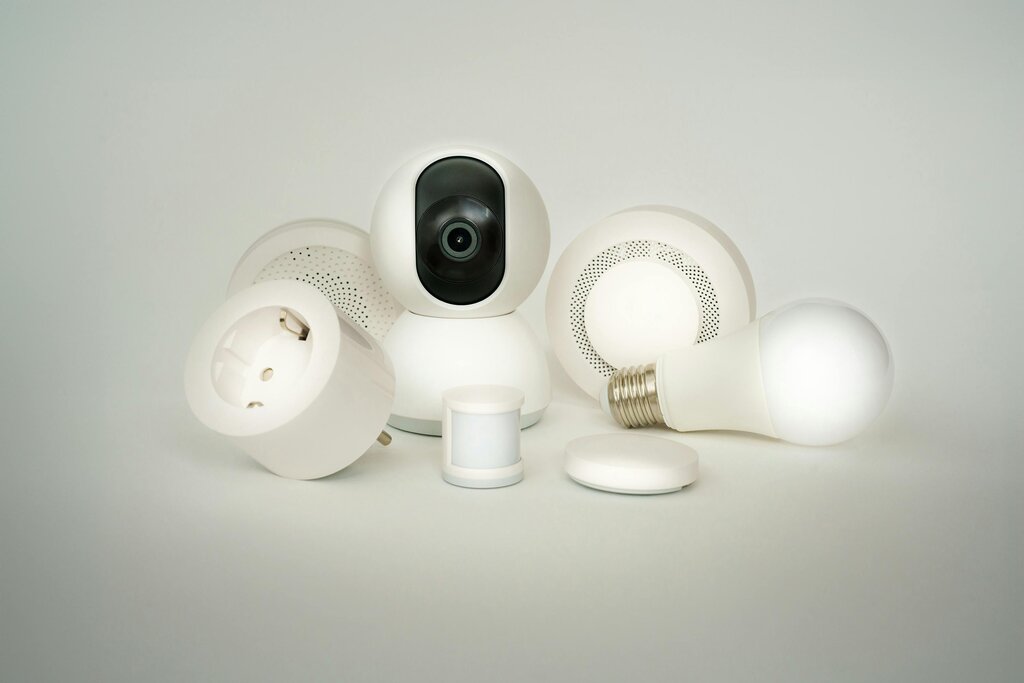
The Core Components
A smart home system generally has three main parts working together: the controller, the devices, and the network.
1. The Controller: This is the brain of the operation. It's a central hub that communicates with all your smart devices. It can be a dedicated device like a smart speaker (think Amazon Echo or Google Nest Hub) or simply an app on your smartphone or tablet.
2. The Devices: These are the individual gadgets that perform actions. They fall into two main categories: sensors that gather information (like a motion detector or a smart thermometer) and actuators that carry out commands (like a smart lock or a smart light bulb).
3. The Network: This is what links everything together, most commonly your home's Wi-Fi. Some devices also use other low-energy communication standards like Zigbee or Z-Wave to talk to each other and the hub.
Creating Automated Routines
The real power of a smart home isn't just controlling one device from your phone. It’s making devices work together automatically. This is done by creating scenes or routines—pre-set chains of actions that you can trigger with a single command or have happen on a schedule.
For example, you could create a "Good Morning" routine. When you say the trigger phrase or when your morning alarm goes off, the system could automatically:
- Slowly raise the smart blinds in your bedroom.
- Turn on the lights to a soft, warm color.
- Adjust the thermostat to your preferred daytime temperature.
- Start playing your favorite morning news podcast on a smart speaker.
These routines handle small, repetitive tasks, which means you have fewer things to think about each day. The goal is to make your daily life smoother and more convenient.
A 'Leaving Home' routine could turn off all lights, lock the doors, and set the security system with one tap in your app.
Benefits Beyond Convenience
While convenience is a huge draw, smart home automation offers several other key benefits that help reduce your daily mental load.
| Benefit | How It Helps |
|---|---|
| Energy Efficiency | A smart thermostat learns your schedule and adjusts the temperature automatically, saving energy and money without you having to remember. |
| Enhanced Security | Smart locks can automatically secure your doors at night, and cameras can send an alert to your phone if they detect motion when you're away. |
| Peace of Mind | Did you forget to turn off the coffee pot? A smart plug lets you check and turn it off from anywhere, so you don't have to worry. |
| Accessibility | For individuals with mobility issues, voice-activated controls for lights, thermostats, and entertainment systems can provide greater independence. |
By automating these checks and adjustments, a smart home system takes over a slice of the constant decision-making and task management that fills our days. It's not about making your home futuristic; it's about making it more helpful and attuned to your life.
What is the primary technology that enables smart home devices to connect to the internet and each other?
In a smart home system, what is the role of the 'controller'?
Ultimately, a smart home is designed to simplify your environment, letting technology handle the background noise so you can focus on what matters.