Smart Home Organization
Understanding Clutter and Mental Load
The Weight of Clutter
A messy room isn't just a physical problem; it's a mental one. Our brains are constantly processing information from our surroundings. When your environment is cluttered, it bombards your mind with excessive stimuli. This creates a kind of visual noise that makes it difficult to relax and focus. Think of it like trying to have a quiet conversation in a loud, crowded room.

This constant sensory input can lead to feelings of stress and anxiety. Your mind never gets a chance to rest. Every object you see is a potential to-do item: a bill to pay, a dish to wash, a book to put away. This backlog of unfinished tasks weighs on your subconscious, contributing to a feeling of being overwhelmed and out of control. Order, on the other hand, is calming. It signals to our brain that things are manageable.
What Is Mental Load?
Beyond the visual noise, clutter directly adds to something called 'mental load.' This is the invisible, cognitive effort required to manage your life and household. It’s the running tally of tasks, appointments, and needs that you keep in your head.
Mental load isn't just the task itself, but also remembering the task, knowing when and how to do it, and keeping track of all the moving parts.
Clutter is a major contributor to mental load. Every item without a designated home is a decision waiting to be made. Where does this go? Do I need it? Is it broken? This constant decision-making is mentally draining. Searching for misplaced keys or an important document isn't just frustrating; it eats up valuable cognitive resources.
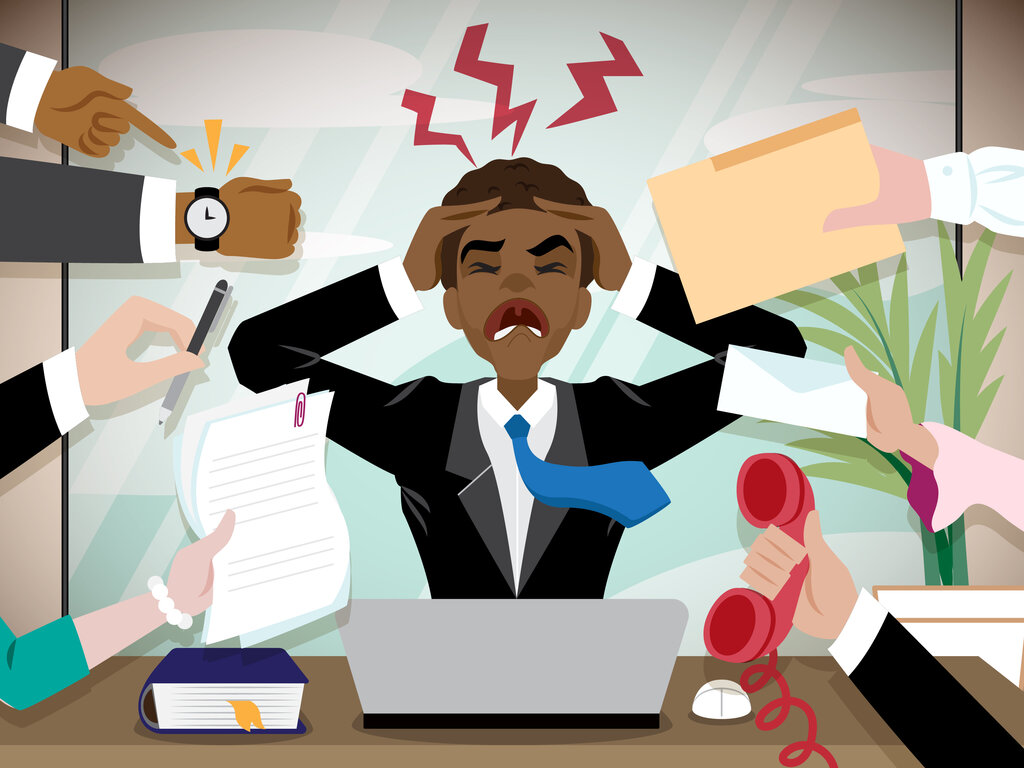
This invisible work often builds up quietly, leading to burnout. When your mental RAM is full from tracking hundreds of small items and tasks, you have less capacity for creative thinking, problem-solving, and simply being present.
Lightening the Load
Reducing your mental load starts with organizing your physical space. The goal is to create systems that do the thinking for you, freeing up your mind.
One of the most effective strategies is to give everything a designated home. When every item has a logical place to live, you eliminate the guesswork. You don't have to decide where to put the scissors; they always go in the top desk drawer. This simple habit automates the process of tidying up and makes finding things effortless.
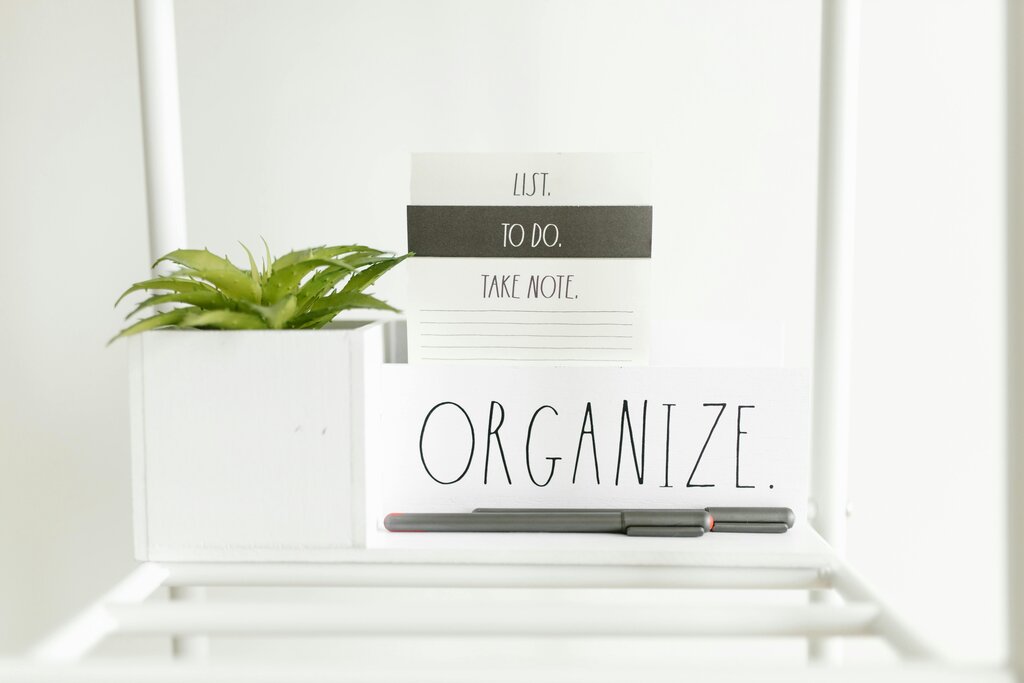
Another strategy is to create simple systems for common tasks. Set up a small station by your front door with a bowl for keys, a slot for mail, and a bag for items that need to be returned. Instead of rethinking these small routines every day, you can run on autopilot.
Ultimately, decluttering is about more than just having a tidy home. It's about reducing the number of things you have to manage, maintain, and worry about. By being intentional about what you keep, you are actively curating a more peaceful and manageable mental environment.
Now, let's test your understanding of these concepts.
According to the text, how does a cluttered environment primarily impact the brain?
What is the best definition of 'mental load' as described in the passage?
By clearing physical clutter, you create more space for mental clarity.