Smart Home Organization
Understanding Smart Home Basics
What Is a Smart Home?
At its core, a smart home is a residence equipped with devices that connect to the internet and to each other. This network of gadgets allows you to automate tasks and control home functions remotely, like adjusting your thermostat from the office or turning off lights from your bed.
Think of it less as a futuristic concept and more as a helpful assistant. Instead of you having to remember and manage dozens of small, repetitive chores, the home itself can handle them. This frees up your mental energy for more important things.
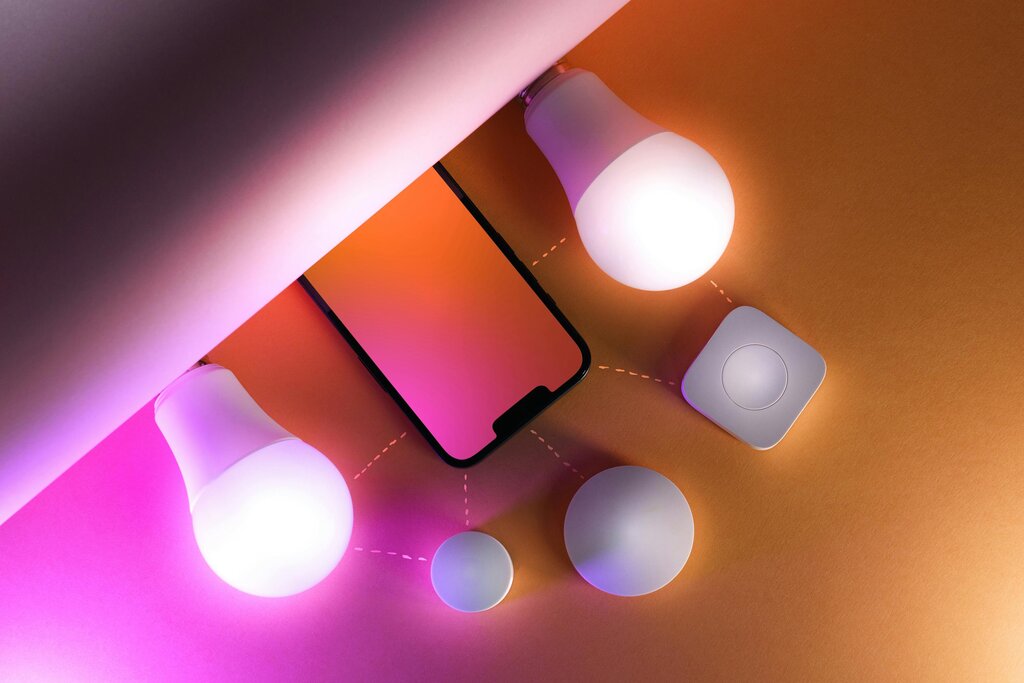
Every smart home has three basic components: the smart devices themselves (like light bulbs or plugs), a Wi-Fi network to connect them, and a way to control everything, usually a smartphone app or a voice assistant.
The Magic of Automation
The real power of a smart home comes from automation, which is just a fancy word for setting things up to run on their own. Instead of reacting to your commands one by one, devices can trigger each other based on a set of rules you create.
For example, you can set a “Good Morning” routine. When your smart alarm clock goes off, it can automatically tell your smart blinds to open, your smart coffee maker to start brewing, and your smart speaker to play the news.
This isn't about laziness; it's about efficiency. By automating the small, predictable tasks of daily life, you reduce your “mental load”—the running list of chores and reminders you keep in your head. The result is a calmer, more organized living space where things just seem to happen at the right time.
Automation
noun
The use of technology to perform tasks with reduced human assistance.
Your Smart Home Team
Smart home devices fall into a few main categories, each playing a different role. Getting to know them helps you decide where to start.
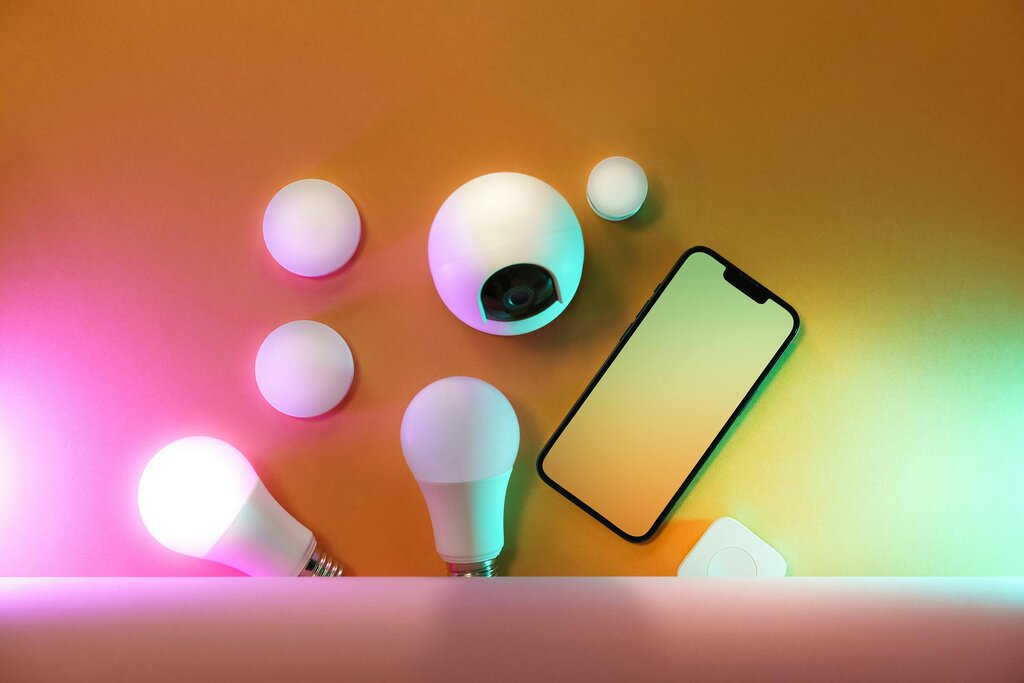
The Brains: Hubs and Voice Assistants These are the command centers. Devices like an Amazon Echo, Google Nest Hub, or Apple HomePod act as a central point of control. You can use your voice or an app to tell the hub what to do, and it relays the command to the right device.
The Senses: Sensors Sensors are the eyes and ears of your smart home. Motion sensors can turn on lights when you enter a room. Door and window sensors can alert you if something is opened unexpectedly. They detect changes in the environment and can trigger other devices to act.
The Hands: Plugs, Lights, and Locks This category includes all the devices that perform an action. Smart plugs can turn any regular appliance into a smart one. Smart light bulbs let you change brightness and color. Smart locks can lock your door automatically when you leave. These are the gadgets that carry out the automations.
Working Together
For a smart home to work seamlessly, devices need to speak the same language. This is called interoperability. Major tech companies have created their own “ecosystems” (like Amazon Alexa, Google Home, and Apple HomeKit) to ensure the products within them work together easily.
When buying new devices, it's helpful to check if they are compatible with the ecosystem you've chosen. This ensures you can control everything from a single app or voice assistant, creating a truly integrated and organized home.
A good strategy is to pick one ecosystem and stick with it when possible. This simplifies setup and makes creating automations much easier.
Now that you understand the basic building blocks, let's see what you've learned.