Smart Dog Bed Design
Understanding Dog Sleep
A Dog's Dream World
Just like humans, dogs need quality sleep to be healthy and happy. But their sleep isn't just a smaller version of ours. Understanding the unique patterns of how dogs rest is the first step in helping them get the best sleep possible.
Dogs spend a lot of time sleeping, often 12 to 14 hours a day for adult dogs, and even more for puppies and seniors. This isn't laziness; it's a biological necessity. Their sleep is composed of cycles, moving between slow-wave sleep (SWS) and rapid eye movement (REM) sleep.
SWS is a state of deep rest where breathing and heart rate slow down. This is when the body works on repairing itself, growing tissue, and strengthening the immune system. You'll know your dog is in this phase when they are still and breathing deeply.
REM sleep is the active, dreaming phase. You might see your dog's paws twitch, their eyes move behind their lids, or even hear them whimper or bark. During REM, their brain is busy processing the day's events and consolidating memories. This is crucial for learning and emotional regulation. A dog who gets enough REM sleep is better at remembering commands and managing stress.
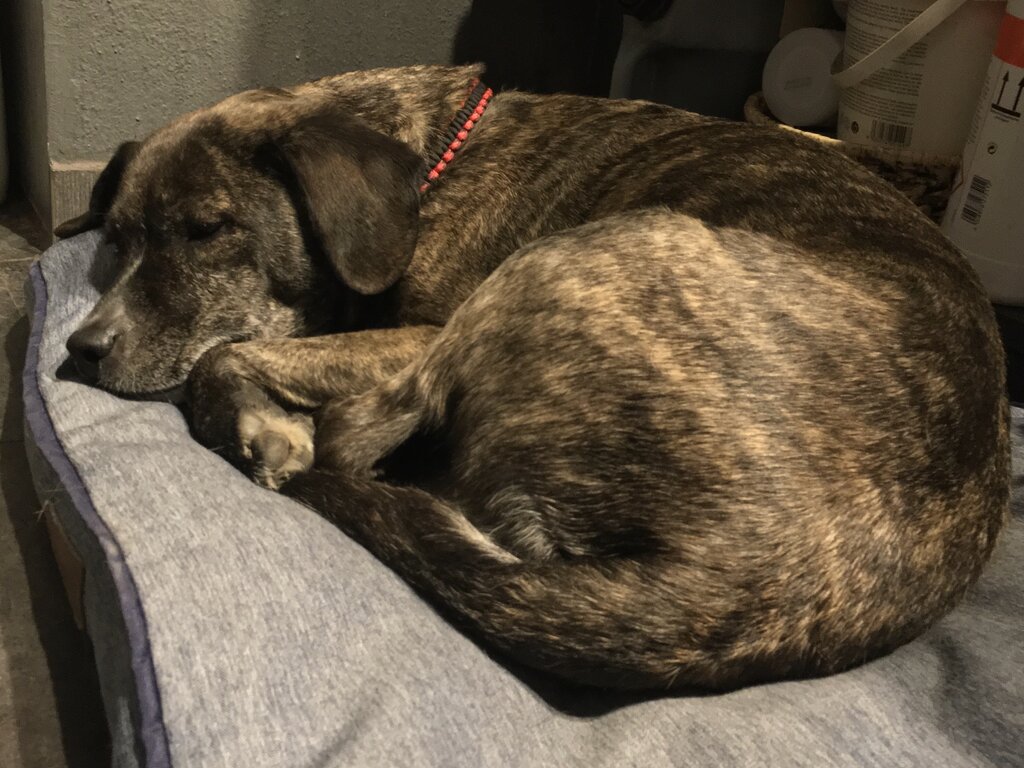
Why Good Sleep Matters
Quality sleep is non-negotiable for a dog's well-being. When a dog is well-rested, they have more energy for walks and play. Their mood is more stable, making them less prone to anxiety or aggression. Good sleep also keeps their immune system strong, helping them fight off illnesses.
Think of sleep as a full-body tune-up. It resets the brain, repairs the body, and recharges their energy for the next day.
On the flip side, chronic poor sleep can lead to serious health issues. A sleep-deprived dog might be irritable, lethargic, and have trouble learning new things. Over time, it can contribute to problems like obesity, diabetes, and a weakened immune system, making them more susceptible to infections.
When Sleep Goes Wrong
Sometimes, despite having a comfy bed, a dog's sleep is disrupted by an underlying disorder. These conditions can be hard to spot, but they take a toll on a dog's health.
One common issue is sleep apnea, where breathing repeatedly stops and starts. This is more frequent in flat-faced breeds like pugs and bulldogs. It leads to fragmented sleep and can strain the heart.
Narcolepsy is a neurological disorder that affects the brain's ability to control sleep-wake cycles. A dog with narcolepsy might suddenly collapse into a deep sleep, especially when excited. While it looks alarming, it's not usually dangerous on its own.
REM Behavior Disorder is another condition where dogs physically act out their dreams. This goes beyond normal twitching; they might run, jump, or even bite while completely asleep. It can be a sign of other neurological issues.
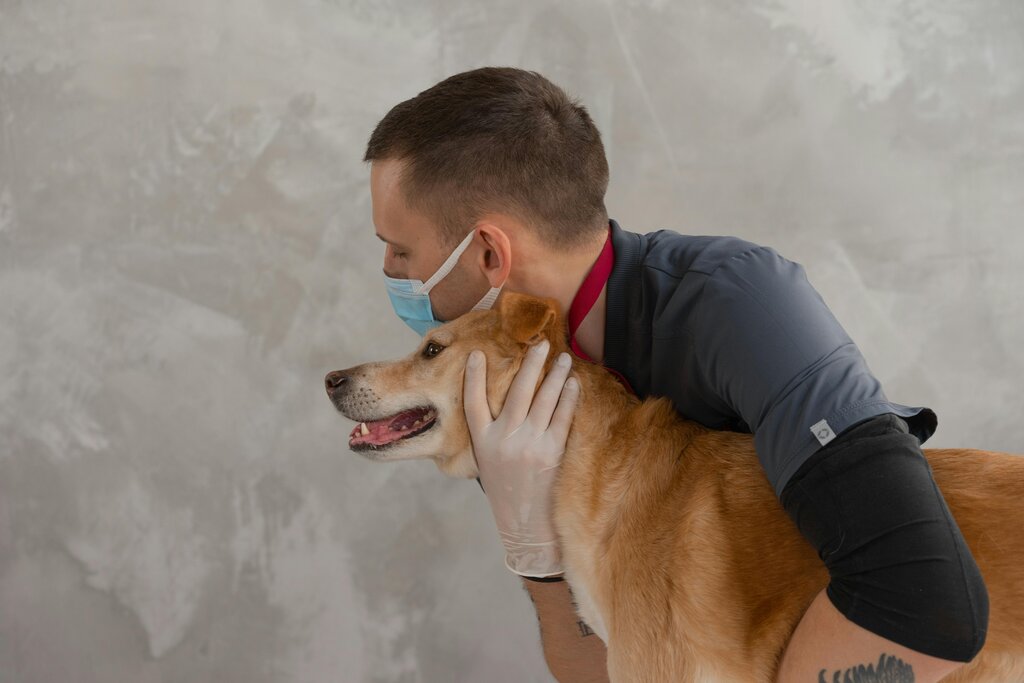
If you notice any unusual sleep behaviors like loud snoring, gasping for air, or extreme activity during sleep, it's a good idea to talk to a vet. Monitoring these patterns is key to catching problems early.
Now let's review the key terms we've covered.
Ready to check your understanding?
On average, how many hours a day does a typical adult dog sleep?
You notice your dog's paws are twitching and they let out a small whimper while they are asleep. Which sleep stage are they most likely in?
By understanding these fundamentals of canine sleep, you can better appreciate what your dog needs for a truly restorative rest. It's not just about the number of hours they sleep, but the quality of those hours.