Smart Contracts and Reflective Measurement
Introduction to Smart Contracts
What Are Smart Contracts?
Think of a vending machine. You insert money (the condition), select a snack (the agreement), and the machine automatically dispenses your choice (the execution). There's no cashier, no negotiation. The rules are built into the machine.
A smart contract is like a digital vending machine. It's a self-executing program where the terms of an agreement are written directly into code. This code lives on a blockchain, making it transparent, irreversible, and secure.
Smart contracts are self-executing contracts with the terms of the agreement directly written into lines of code.
The main purpose of a smart contract is to automate agreements and remove the need for intermediaries. Instead of relying on a bank, lawyer, or broker to handle a transaction, you can rely on the code. This automates the process, reduces costs, and builds trust because the rules are public and can't be changed once the contract is active.
How They Work on a Blockchain
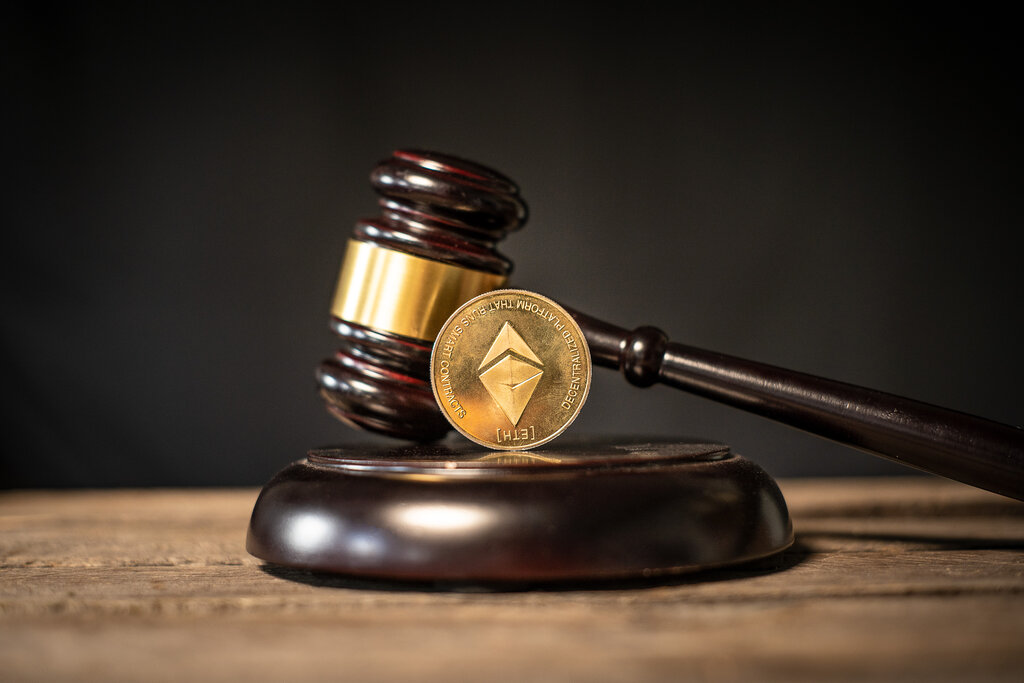
Smart contracts run on blockchain platforms, with Ethereum being the most popular. The contract's code is stored and distributed across the blockchain's decentralized network. This means it's not controlled by any single person or company.
The contract listens for specific events or conditions to be met. When the right conditions occur, the code executes automatically, carrying out the terms of the agreement. It’s all based on simple "if-then" logic.
Blockchains are also a platform for executing programs called smart contracts — pieces of code that automatically execute according to conditional software logic such as, “if x is true, then execute y.”
Let’s look at a simple crowdfunding example. A project needs to raise $10,000 within 30 days. A smart contract can manage this entire process without a platform like Kickstarter.
IF the 💲10,000 goal is reached by the 30-day deadline, THEN the contract automatically releases the funds to the project creator.
IF the goal is NOT reached, THEN the contract automatically returns the funds to each backer.
Once the contract is on the blockchain, its rules cannot be altered. Everyone can see the terms and trust that the outcome will be executed exactly as written. This creates a transparent and fair system for everyone involved.
Smart Contracts and dApps
Smart contracts are the building blocks of decentralized applications, or dApps. A dApp is like a regular app, but it runs on a peer-to-peer network (the blockchain) instead of a central server. This means no single entity owns or controls it.
For example, a dApp for decentralized finance (DeFi) might use smart contracts to create a lending platform. One smart contract could handle deposits, another could manage loans, and a third could calculate interest. All of these would run automatically, without a bank managing the process.
Developers can leverage smart contracts to run various complex decentralized applications on top of blockchains.
By using smart contracts, dApps can offer services that are more transparent, secure, and accessible than their traditional counterparts. They power everything from financial tools and voting systems to games and digital identity platforms.
Ready to check your understanding?
What is the primary function of a smart contract?
The text compares a smart contract to a vending machine. What does selecting a snack from the machine represent in this analogy?
Smart contracts are a foundational concept in the world of blockchain. They provide a way to create agreements that are both automated and trustworthy, opening the door for new kinds of applications.