Small Scale M&A Fundamentals
Introduction to M&A
What are Mergers and Acquisitions?
Mergers and acquisitions, or M&A, is the general term for when companies combine. While often used together, they describe two different events.
A merger is like a marriage. Two companies, often of similar size, agree to join forces and move forward as a single new entity. The old companies technically cease to exist, and a new one is born. It's a partnership of equals.
An acquisition, on the other hand, is a takeover. One company buys another outright. The acquiring company absorbs the target company, which no longer exists independently. Think of a big fish eating a smaller fish.
In a merger, two companies become one. In an acquisition, one company buys another.
The distinction can get blurry. Sometimes, a deal is called a "merger of equals" for public relations reasons, even when one company is clearly the acquirer. For our purposes, we'll use M&A as the umbrella term for any transaction where ownership of companies or their operating units is transferred or consolidated.
Why Bother with M&A?
Companies don't merge or acquire others on a whim. These are major strategic moves designed to achieve specific goals. Before even considering a deal, a company must have a clear purpose in mind. What is it trying to accomplish that it can't do as effectively on its own?
Define Clear Strategic Objectives Before embarking on an M&A journey, mid-sized companies must define clear strategic objectives aligned with their long-term vision and growth aspirations.
The goals usually fall into a few key categories.
| Strategic Objective | Description |
|---|---|
| Growth | Instantly increase market share, revenue, and customer base by combining with another company. It's often faster than growing organically. |
| Synergy | The idea that the combined company is worth more than the two individual companies. This can come from cost savings (e.g., eliminating duplicate departments) or increased revenue. |
| Acquiring Assets | Gain access to valuable technology, talent, or intellectual property that would be difficult or time-consuming to build from scratch. |
| New Markets | A quick way to enter a new geographic region or a new product market by acquiring an established player. |
| Eliminating Competition | Buying a rival removes them from the market, increasing your own market power. |
Types of Deals
M&A deals aren't all the same. They are typically categorized based on the relationship between the two companies involved.
A horizontal merger involves two companies that are in the same industry and are direct competitors. Think of one coffee shop buying another coffee shop down the street. The main goal is usually to increase market share and reduce competition.
A vertical merger happens between two companies at different stages of the same supply chain. For example, a car manufacturer might buy a tire company. This is done to control the supply chain, reduce costs, and ensure a steady supply of necessary parts.
A conglomerate merger is a deal between two companies in completely unrelated industries. Imagine a software company buying a chain of pizza restaurants. The motivation here is often diversification, spreading business risk across different markets.
The M&A Process in a Nutshell
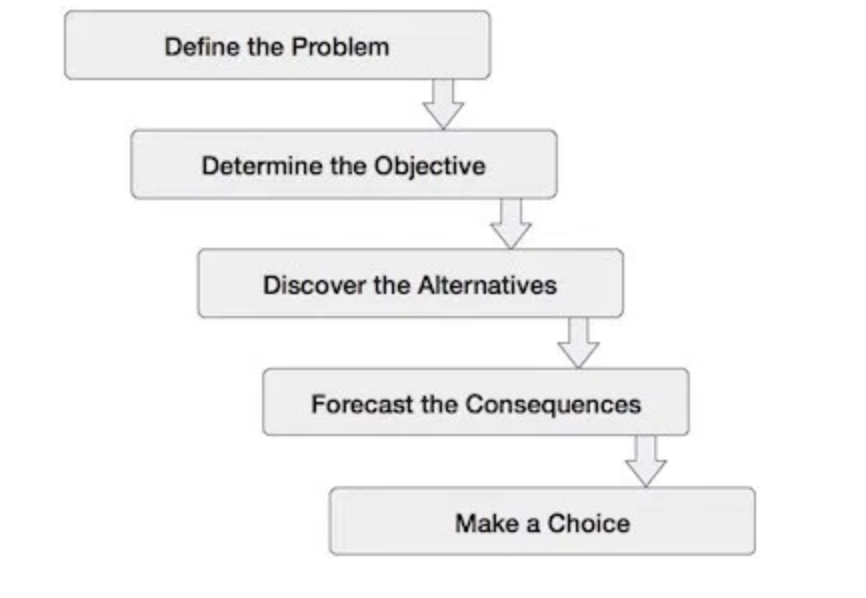
Executing an M&A deal is a complex process with many moving parts, but it generally follows a predictable path. While the details can vary, the major stages remain consistent.
-
Strategy Development: It all starts with the 'why'. The acquiring company identifies its goals and decides that an M&A transaction is the best way to achieve them. This involves pinpointing what kind of company they need to buy or merge with.
-
Identifying Targets: Based on the strategy, the company creates a list of potential target companies. They'll screen these candidates based on criteria like size, location, product fit, and financial health.
-
Valuation: Once a promising target is identified, the acquirer needs to figure out what it's worth. This is a critical step that involves deep financial analysis to arrive at a fair price.
-
Negotiation and Deal Structuring: The two parties come to the table. They negotiate the price, the terms of the deal, and how the transaction will be structured (e.g., a stock purchase or an asset purchase). If they reach a preliminary agreement, they often sign a non-binding Letter of Intent (LOI).
-
Due Diligence: This is the investigation phase. The buyer meticulously examines the target company's finances, contracts, customers, and legal status to confirm that everything is as it seems. The goal is to uncover any hidden risks or liabilities.
-
Closing: If due diligence goes well, the final, binding contracts are signed. Funds are exchanged, and the ownership of the target company is officially transferred to the acquirer. The deal is done.
Each of these stages is a deep topic in its own right, but this overview gives you a roadmap of the journey from an idea to a completed deal.
Time to check your understanding of these core M&A concepts.
What is the primary difference between a merger and an acquisition?
A social media company buying another competing social media company is an example of what type of merger?
Understanding these fundamentals provides a solid base for exploring the more intricate aspects of buying or selling a business.