Small Modular Reactor Energy Transformation
Grid Decentralization
Shifting Power, Literally
For the last century, our electrical grid has operated like a bicycle wheel: large, central power plants at the hub push electricity outward through a network of transmission lines—the spokes—to homes and businesses. This centralized system has served us well, but it's vulnerable. A single point of failure at a large plant or on a major transmission line can cause widespread outages. SMRs are helping to change this model.
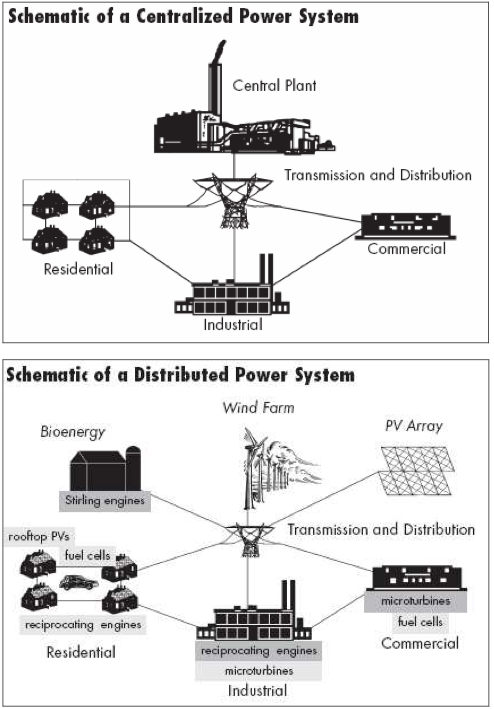
Because they are small and can be sited more flexibly than gigawatt-scale plants, SMRs enable a shift toward a decentralized, or distributed, power network. Instead of a few large hubs, this model looks more like a web, with multiple smaller power sources spread across a region. These can be located at the 'edge-of-grid' in remote communities or integrated directly into industrial complexes, reducing the reliance on long-distance transmission and making the entire system more resilient.
Anchoring the Microgrid
One of the most powerful applications of SMRs is their role as anchors for microgrids—localized grids that can disconnect from the traditional grid to operate autonomously. A microgrid can power a single facility like a hospital, a military base, or an entire town. During a widespread blackout caused by a storm or cyberattack, a microgrid can 'island' itself, maintaining power for its local customers.
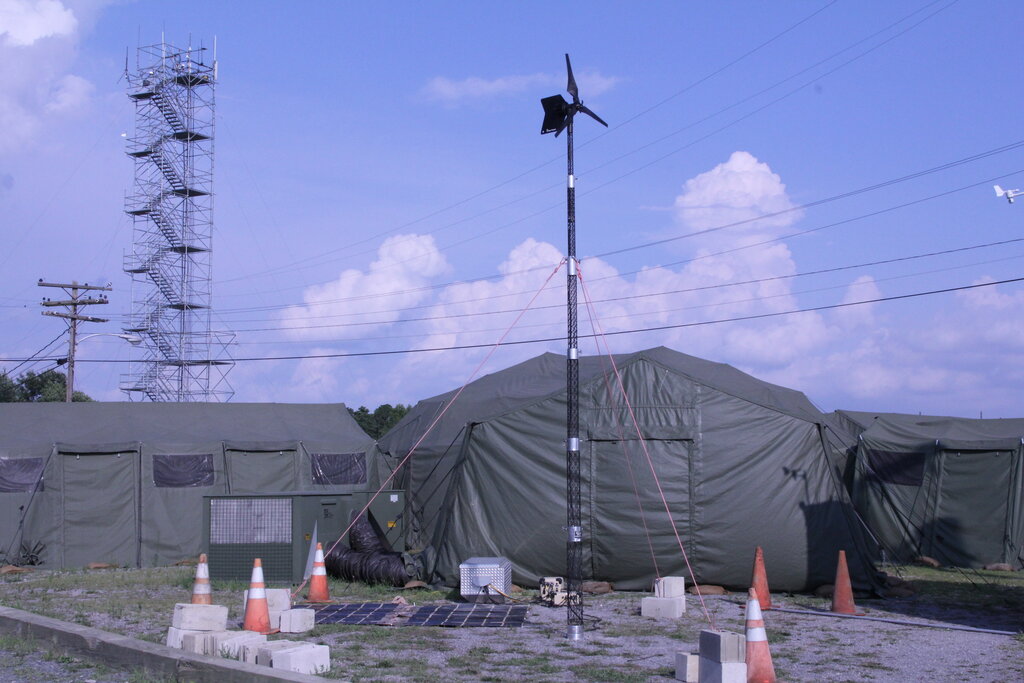
An SMR is an ideal anchor for these energy islands. It provides a consistent, reliable, and carbon-free source of baseload power, 24/7, regardless of the weather. This ensures that critical services remain online when the main grid is down. This capability is not just for emergencies; it also allows remote communities or developing nations to build out reliable power infrastructure without needing to connect to a massive, expensive national grid.
The Perfect Partner for Renewables
Wind and solar power are essential for a clean energy future, but they have a fundamental challenge: intermittency. The sun doesn't always shine, and the wind doesn't always blow. This variability can destabilize the grid, which requires a constant, precise balance between electricity supply and demand. SMRs are uniquely suited to solve this problem through a capability known as load-followings.
SMRs will offer zero-emissions baseload (yet partly flexible) power to an energy system with an increasing share of variable renewables.
Unlike large, traditional nuclear plants that are designed to run at full power continuously, many SMR designs can ramp their power output up and down relatively quickly. When solar panels are generating a surplus of electricity midday, an SMR can reduce its output. As the sun sets and demand peaks, the SMR can ramp back up to full power, filling the gap and ensuring the grid remains stable. This flexibility makes SMRs a critical stabilizing element for a grid with high percentages of renewables.
New Life for Old Sites
As countries move to decarbonize their economies, hundreds of coal-fired power plants are being retired. These sites, however, are valuable assets. They already have the critical infrastructure needed for power generation: robust connections to the electrical grid, access to cooling water, and a local workforce with experience in the energy sector. This makes them ideal locations for SMRs.
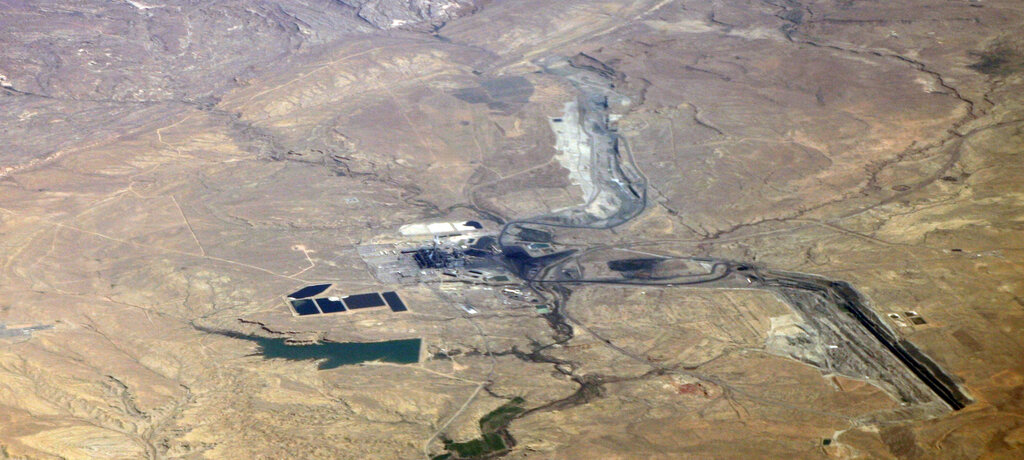
The strategy of these sites, known as coal-to-nuclear (C2N), offers a pragmatic path forward. By replacing a fossil fuel boiler with a compact, carbon-free SMR, a community can retain high-paying jobs and its tax base while cleaning up its air. It's a faster and often cheaper way to deploy new nuclear energy, as it bypasses the lengthy process of siting and building transmission infrastructure from scratch.
This transition from large, centralized plants to a more distributed, flexible, and resilient network is a cornerstone of the modern grid. SMRs are not just a new way to generate power; they are a key enabler of this fundamental shift. Now, let's test your understanding of these concepts.
How do Small Modular Reactors (SMRs) facilitate a shift away from the traditional, centralized electrical grid model?
The ability of a localized grid, such as one for a hospital, to disconnect from the main grid and operate autonomously is known as:
By providing stable, flexible power that can be deployed in more places, SMRs are paving the way for a more robust and reliable energy future.