Small-Cap Biotech Breakouts
Biotechnology Industry Overview
What is Biotechnology?
Biotechnology is the use of living organisms or their components to create products or solve problems. It sounds futuristic, but humans have been doing it for centuries. When you bake bread with yeast or brew beer, you're using a form of biotechnology.
Today, the field is much broader and more advanced. Modern biotech harnesses cellular and biomolecular processes to develop technologies that help improve our lives and the health of our planet. It’s a diverse industry that touches everything from the medicine we take to the food we eat.
At its core, biotech is about using biology as a tool to build something new.
The Many Faces of Biotech
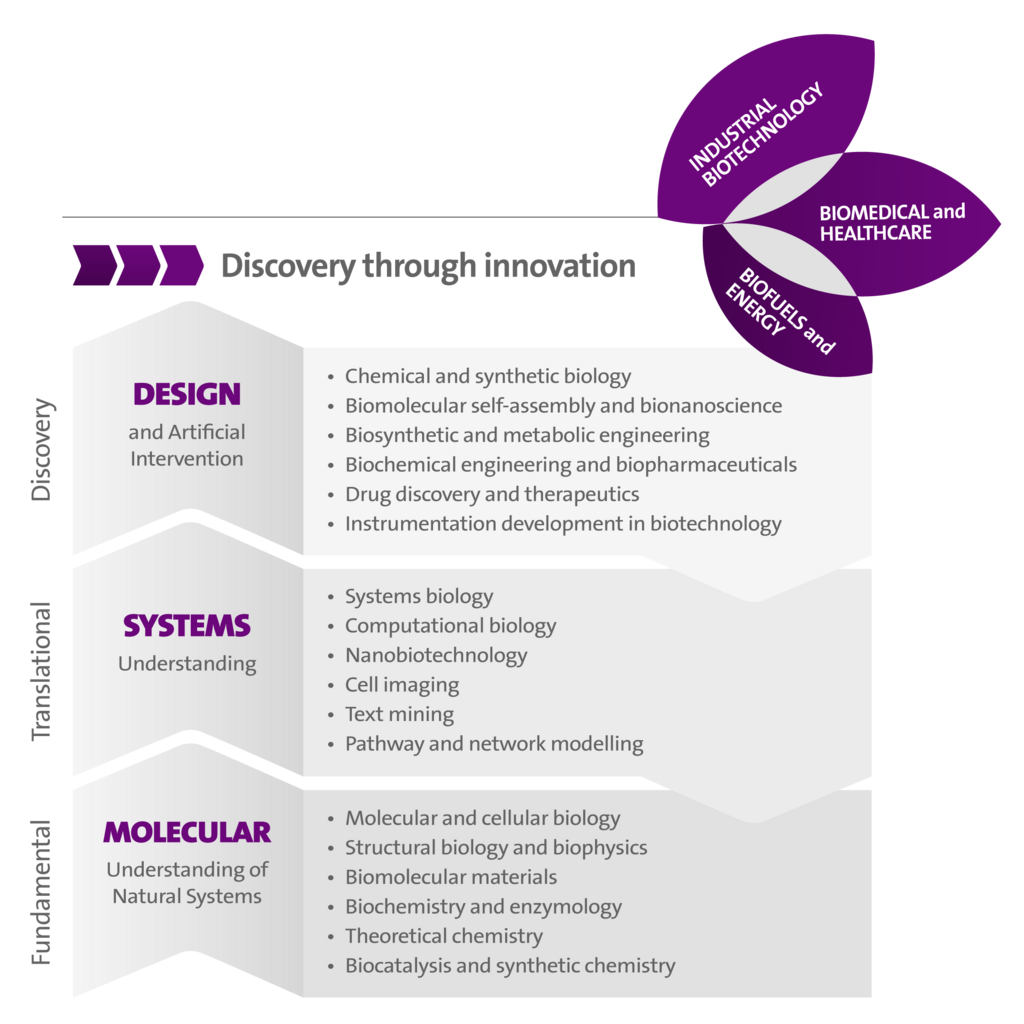
The biotechnology industry isn't just one thing. It's a collection of specialized fields, each tackling different challenges. The major sectors include:
-
Pharmaceuticals: This is the largest and most famous part of biotech. Companies in this space develop new drugs to treat diseases. This includes creating life-saving medicines like insulin using genetically engineered bacteria, developing antibodies to fight cancer, and designing vaccines.
-
Diagnostics: This sector focuses on creating tools to detect diseases and medical conditions. Think of the rapid tests for COVID-19, home pregnancy tests, and genetic screening that can identify a person's risk for certain hereditary conditions.
-
Agricultural Biotech: Often called "agritech," this field aims to improve crops and livestock. This might involve engineering plants to be more resistant to pests and drought, enhancing the nutritional value of food, or developing more sustainable farming practices.
-
Industrial Biotech: This area uses biological systems to produce chemicals, materials, and energy. Examples include creating biofuels from algae, using enzymes in detergents to break down stains, and developing biodegradable plastics.
Small Companies, Big Ideas
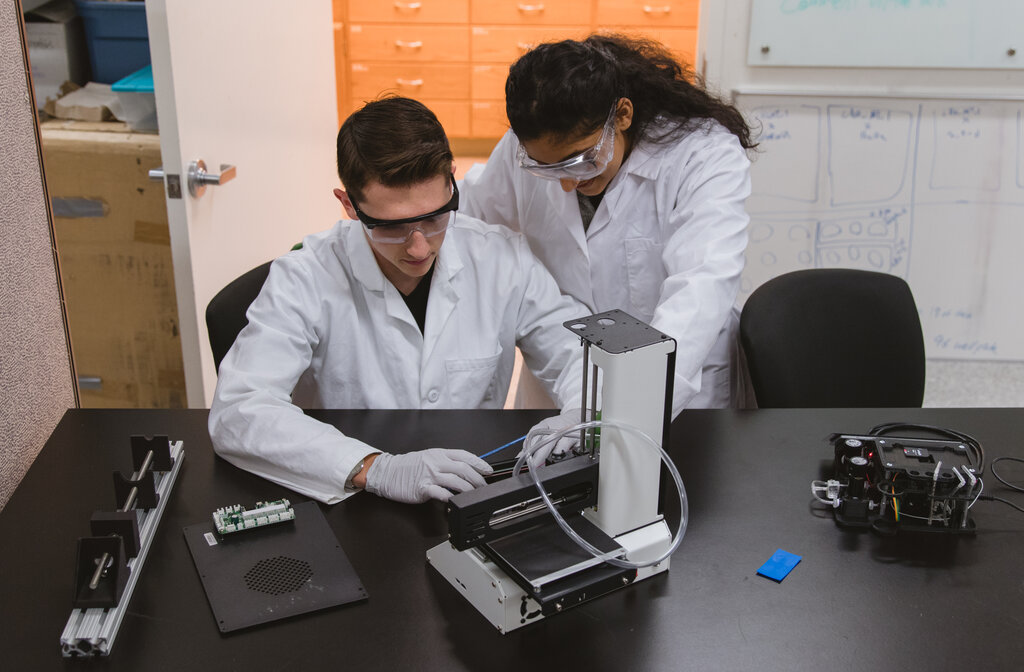
While large pharmaceutical giants often get the spotlight, much of the groundbreaking innovation in biotech comes from small-cap companies. These are smaller firms, often focused purely on research and development (R&D). They typically don't have products on the market yet and are dedicated to exploring a new scientific idea or technology.
These small companies are the industry's engines of innovation. They take on the high-risk, early-stage research that can lead to major breakthroughs. A small team of scientists might spend years developing a novel approach to treating a rare disease. If their research shows promise, they are often acquired by a larger company that has the resources to fund expensive clinical trials and bring the new product to market.
Think of small-cap biotechs as nimble exploration vessels, searching for new territory, while large companies are the massive ships that colonize and develop those discoveries.
Getting a Drug to Market
Bringing a new drug to patients is a long, expensive, and heavily regulated journey. In the United States, the Food and Drug Administration (FDA) oversees this process to ensure that new treatments are both safe and effective. The path from a lab discovery to a pharmacy shelf involves several distinct stages.
This entire process can take over a decade and cost hundreds of millions, or even billions, of dollars. The high failure rate is a major challenge. Many promising compounds in pre-clinical studies never make it through the rigorous trials. However, the drugs that successfully complete this journey can have a profound impact on human health.
Which of the following is a traditional form of biotechnology that has been used for centuries?
The development of new medicines, like antibodies to fight cancer or novel vaccines, primarily falls under which sector?
Biotechnology is a dynamic and complex field, but its goal is simple: to use the power of biology to create a healthier, more sustainable world.