Small Business Bookkeeping Essentials
Introduction to Bookkeeping
What is Bookkeeping?
At its heart, bookkeeping is the process of recording all the financial transactions a business makes. Think of it as keeping a detailed financial diary. Every time money comes in or goes out, it gets written down. This isn't just about jotting down numbers; it's about creating an organized and accurate history of your business's financial life.
Bookkeeping
noun
The activity of keeping records of the financial affairs of a business.
The main goal is simple: to track every dollar. This includes sales, purchases, payments, and receipts. By recording these transactions methodically, you create a reliable foundation of financial data. This data tells the story of your business, one transaction at a time.
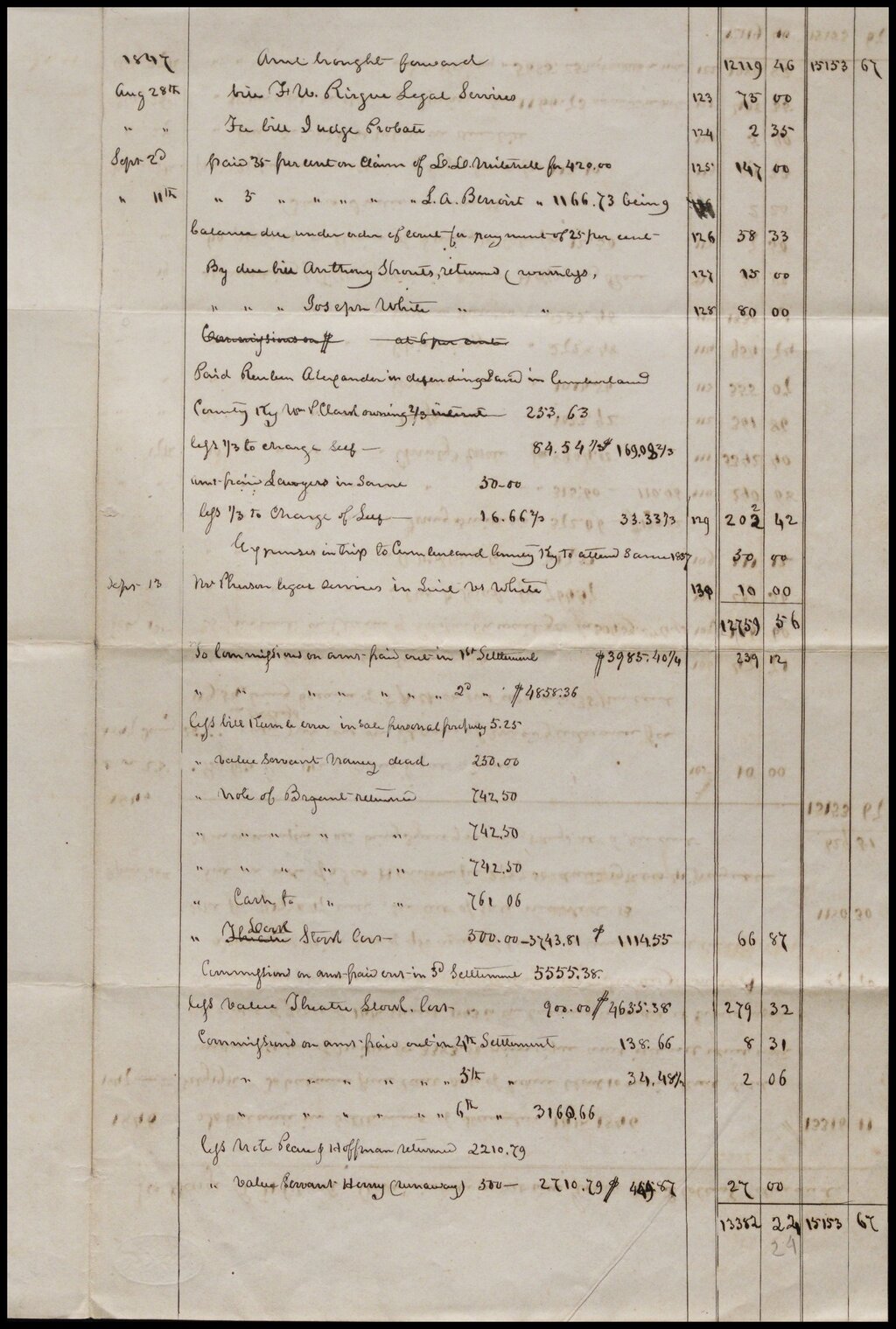
Bookkeeping vs Accounting
People often use the terms bookkeeping and accounting interchangeably, but they are two distinct functions. While they're related, they serve different purposes.
Bookkeeping is the first step. It's the mechanical process of recording daily financial transactions. A bookkeeper ensures that records of individual financial transactions are correct, up-to-date, and comprehensive.
Accounting is the next step. It's a higher-level process that uses the financial data recorded by the bookkeeper to produce financial models and reports. An accountant takes the bookkeeper’s organized data, analyzes it, and turns it into insights about the business's financial health.
Think of it this way: a bookkeeper builds the library of financial information, and an accountant reads the books to write a report on the company's story.
You can't have one without the other. Accurate bookkeeping provides the clean data that accountants need to do their work. Without it, any financial analysis would be based on flawed information. Here’s a quick breakdown of the differences:
| Feature | Bookkeeping | Accounting |
|---|---|---|
| Focus | Recording financial transactions | Interpreting and analyzing data |
| Goal | Create accurate data records | Provide financial insights for decisions |
| Output | General ledgers, financial journals | Financial statements, reports, analysis |
| Timing | Daily, ongoing process | Monthly, quarterly, or yearly |
Why Good Bookkeeping Matters
For a small business, disciplined bookkeeping isn't just a good habit—it's critical for survival and growth. The benefits are immediate and far-reaching.
First, it helps you make smarter decisions. With organized books, you can see at a glance how your business is performing. Are you profitable? Is a particular product line losing money? Which expenses are too high? Accurate records give you the clear data you need to answer these questions and steer your business in the right direction.
Imagine you own a small cafe. By looking at your books, you notice that sales of fancy imported coffee beans are low, but the cost to stock them is high. The data empowers you to replace them with a more popular, locally sourced option, improving your profit margin.

Second, it makes tax time much less painful. When your transactions are recorded and categorized throughout the year, filing taxes becomes a straightforward process of pulling the numbers you already have. No more frantic searches for crumpled receipts or trying to remember a year's worth of expenses. This not only saves you stress but also helps ensure you’re complying with tax laws and paying the correct amount.
Finally, good bookkeeping provides financial transparency. If you ever need to secure a loan from a bank or attract investors, they will want to see your financial records. Clean, professional-looking books demonstrate that you are a serious and organized business owner, which builds trust and increases your chances of getting the funding you need.
Accurate bookkeeping gives you a real-time picture of your business's health, helping you plan for the future with confidence.
Ready to test your understanding of these fundamental concepts?
What is the primary goal of bookkeeping?
True or False: The terms 'bookkeeping' and 'accounting' can be used interchangeably as they describe the same process.
Understanding these core ideas is the first step toward taking control of your business's finances. It's the foundation upon which all other financial management is built.