Small Bridge Tender Work Methodology
Tender Methodology Essentials
The Methodology Blueprint
A work methodology is not just a document; it's the narrative of how you will bring a client's bridge from paper to reality. It's a detailed, strategic plan that moves beyond the 'what' of the design drawings and into the 'how' of execution. Think of it as the project's operational playbook. It tells the client you don't just understand their vision, you have a credible, safe, and efficient plan to build it.
For a small bridge project, this document demonstrates your grasp of the unique challenges involved. These might include site access, environmental constraints, or traffic management. A strong methodology proves you’ve thought through these issues and have concrete solutions ready. It's your primary tool for building client confidence before a single shovel hits the ground.
A work methodology bridges the gap between your bid price and your ability to deliver. It convinces the client that your number is realistic because your plan is solid.
Anatomy of a Winning Methodology
While the specifics will be tailored to each tender, a robust work methodology for a bridge project follows a logical structure. Each section builds on the last, creating a comprehensive picture of your project management and technical capabilities. The goal is to leave no question in the evaluator's mind about your competence.
Here are the essential components you'll need to detail in your submission.
| Section | Purpose & Key Content |
|---|---|
| 1. Project Overview & Understanding | Demonstrate you've absorbed the tender documents. Summarize the project's objectives and identify key challenges (e.g., geotechnical conditions, river flow, community impact). |
| 2. Construction Sequence & Phasing | Provide a step-by-step narrative of the build. Cover site establishment, demolition (if any), substructure work (piles, abutments), superstructure erection, and finishing works. |
| 3. Key Personnel & Org Chart | Introduce your proposed project manager, site engineer, and other crucial roles. An organizational chart clarifies reporting lines and responsibilities. |
| 4. Equipment & Plant Schedule | List the major equipment you'll use (cranes, excavators, concrete pumps) and link it to the construction schedule. This proves you have the right tools for the job. |
| 5. Quality Assurance & Control | Detail your inspection and testing plan. How will you verify material quality and workmanship? Mention hold points and compliance checks. |
| 6. Health, Safety & Environment (HSE) Plan | Outline specific procedures for risk management, site safety protocols, and environmental protection measures (e.g., silt control, noise mitigation). |
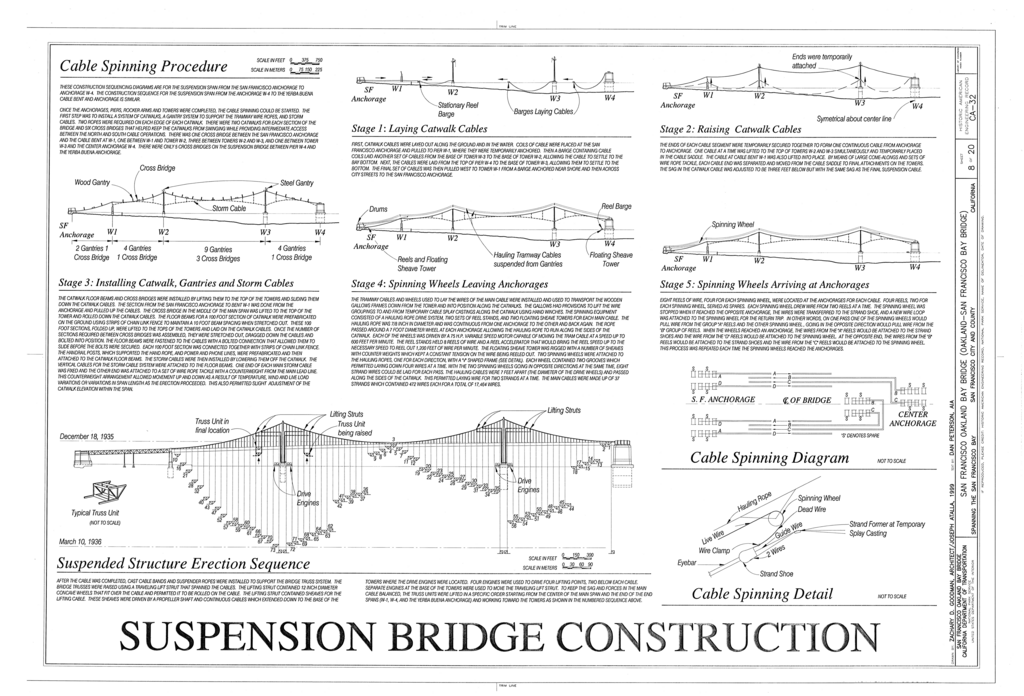
Meeting Client Expectations
The client isn't just buying a bridge; they are buying certainty. Your work methodology is judged on how well it provides that. The evaluation criteria, usually outlined in the tender documents, are your guide to what the client values most. Read these criteria carefully and structure your methodology to answer them directly.
Compliance is non-negotiable. Your document must explicitly address every requirement listed in the tender's scope of work and contractual terms. A common mistake is submitting a generic methodology. This is easily spotted and suggests a lack of serious interest or understanding. Instead, reference specific clauses from the tender, use site-specific terminology, and address the project's unique constraints. This shows you've done your homework and are proposing a bespoke solution, not a copy-paste job.
For a 15-page document, planning your structure is key. Allocate page space based on the weight of the evaluation criteria. If safety is worth 30% of the score, your HSE plan should be more detailed and occupy a proportional amount of space. Use clear headings, diagrams, and schedules to make the information digestible.
Your methodology should be clear, logical, and unambiguous. Avoid jargon where plain language works better. The person evaluating your submission may be a procurement manager, not just an engineer. The easier you make it for them to understand your plan and see how it aligns with their goals, the better your chances of success. It's a document that must be both technically sound and persuasively written.