Small Box Design Mastery
Introduction to Box Design
Start with the Why
Before you design a box, ask a simple question: what is it for? A box is never just a box. It's a protector, a presenter, and sometimes, the first part of a gift. The job it needs to do will shape every decision you make.
A box designed to ship a fragile item across the country has different needs than one holding a wedding ring. The shipping box prioritizes strength and cushioning. The ring box focuses on emotion and presentation. One is about function, the other is about feeling. Defining this primary purpose is always the first step. Is your box meant to be sturdy and reusable, or is it designed for a single, memorable unveiling?
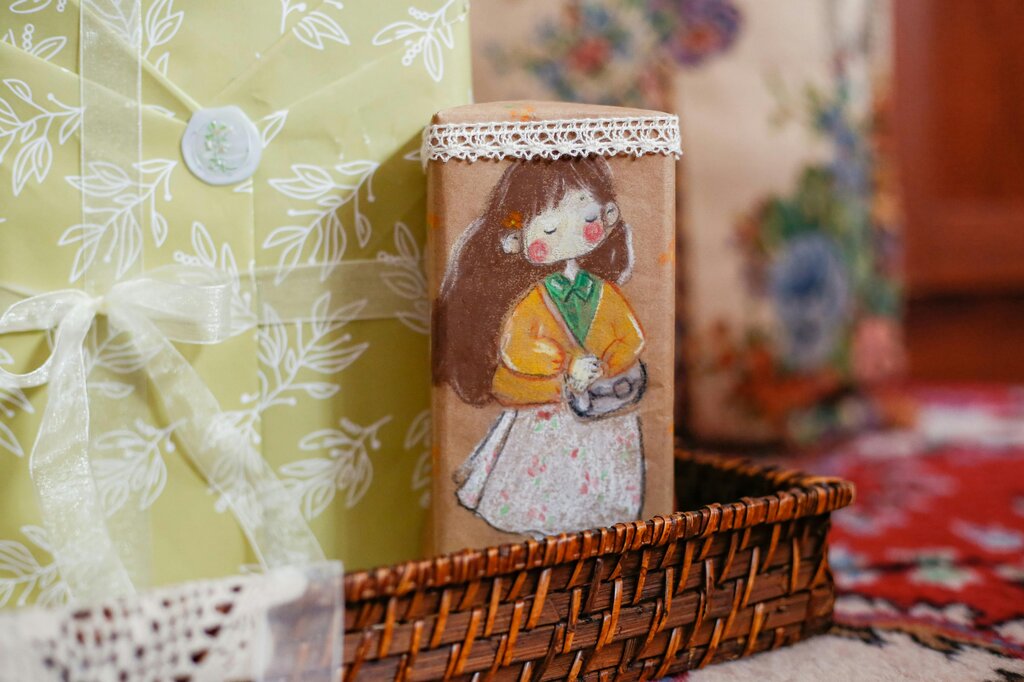
Choosing Your Materials
Once you know the box's purpose, you can pick the right materials. This choice is a balance of looks, strength, and impact on the planet. Corrugated cardboard is a workhorse—strong, light, and often made from recycled content. It's perfect for shipping and storage.
For a more premium feel, you might consider rigid paperboard, wood, or even metal. These materials add weight and a sense of quality, but they also cost more and can be harder to source sustainably.
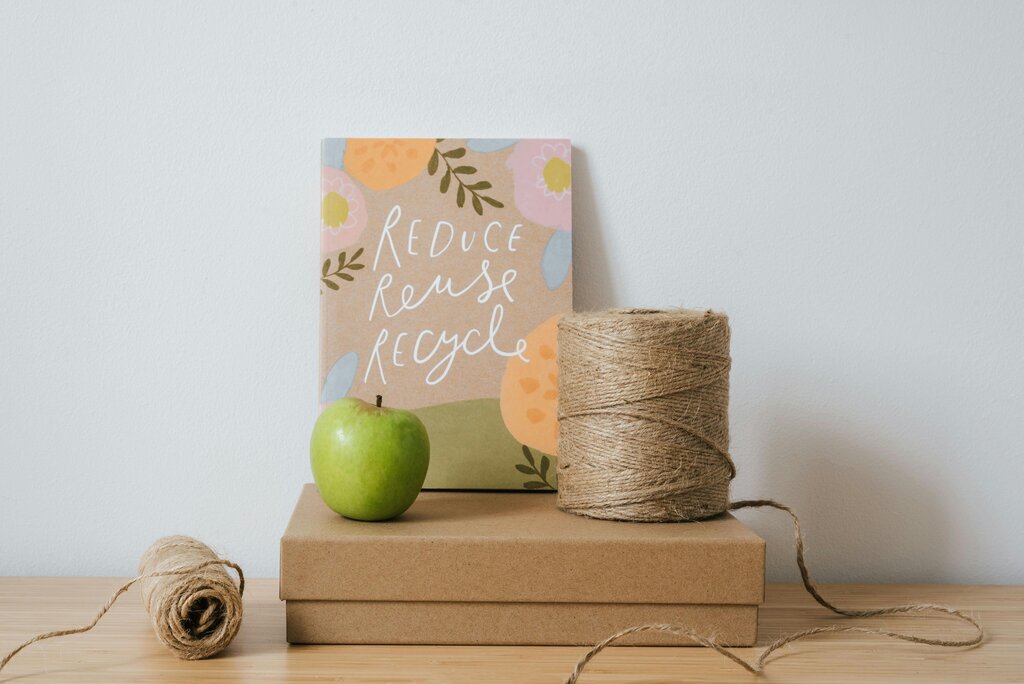
Sustainability is no longer an afterthought. Materials like kraft paper, recycled cardboard, and compostable plastics show that a box can be both functional and environmentally responsible.
Here's a quick look at how common materials stack up:
| Material | Best For | Durability | Aesthetics | Sustainability |
|---|---|---|---|---|
| Corrugated Cardboard | Shipping, Storage | High | Utilitarian | High (often recycled) |
| Paperboard | Retail, Gifts | Medium | Versatile | High (recyclable) |
| Wood | Keepsakes, Luxury | Very High | Premium | Medium (depends on source) |
| Plastic | Reusable Storage | Very High | Modern | Low (unless recycled) |
Designing for the User
How someone interacts with your box is a critical part of its design. This is often called the user experience, or the "unboxing" experience. Think about the journey from the moment a person sees the box to the moment they reveal what's inside.
Is it easy to open? A box that requires scissors or a lot of force can be frustrating. A simple tab or a lid that lifts off smoothly creates a much better impression. Once open, how is the product presented? Nestling an item in custom-fit paper or creating a specific reveal can make the experience feel special.
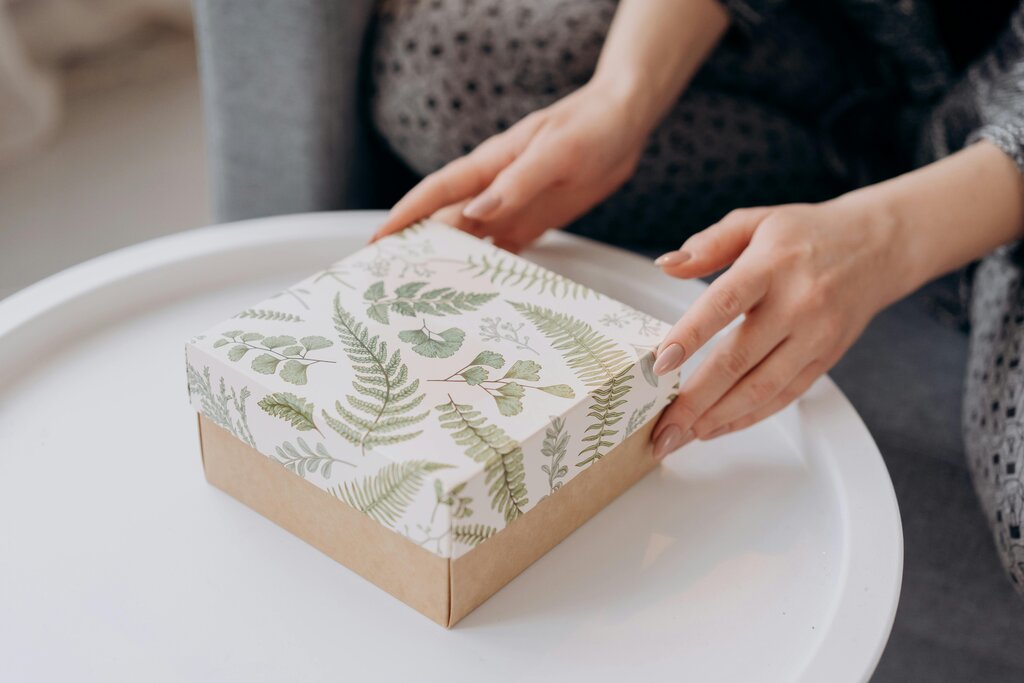
The goal is to balance form and function. A beautiful box that's hard to open fails at its job. A sturdy box that feels cheap can diminish the value of the product inside. The best designs do both: they protect their contents while creating a positive, memorable interaction for the user.
Now, let's test your understanding of these core design concepts.
What is the first and most crucial question to ask before starting a box design?
Which material is described as a 'workhorse' for shipping and storage because it's strong, light, and often recycled?
By keeping purpose, materials, and the user in mind, you can design a box that is more than just a container.