Small Animal Emergency Veterinary Medicine
Triage and Initial Assessment
First Contact: Triage Over the Phone
The emergency process often begins before a pet ever reaches the clinic. Remote triage happens over the phone, and it has two critical goals: to assess the situation's urgency and to provide immediate, actionable advice to the owner.
When a panicked owner calls, the veterinary professional's first job is to stay calm and gather essential information. Key questions focus on the most life-threatening conditions:
- Is the animal conscious and responsive?
- Is it breathing, and if so, with any difficulty?
- Is there any major bleeding?
- Is there a possibility of toxin ingestion?
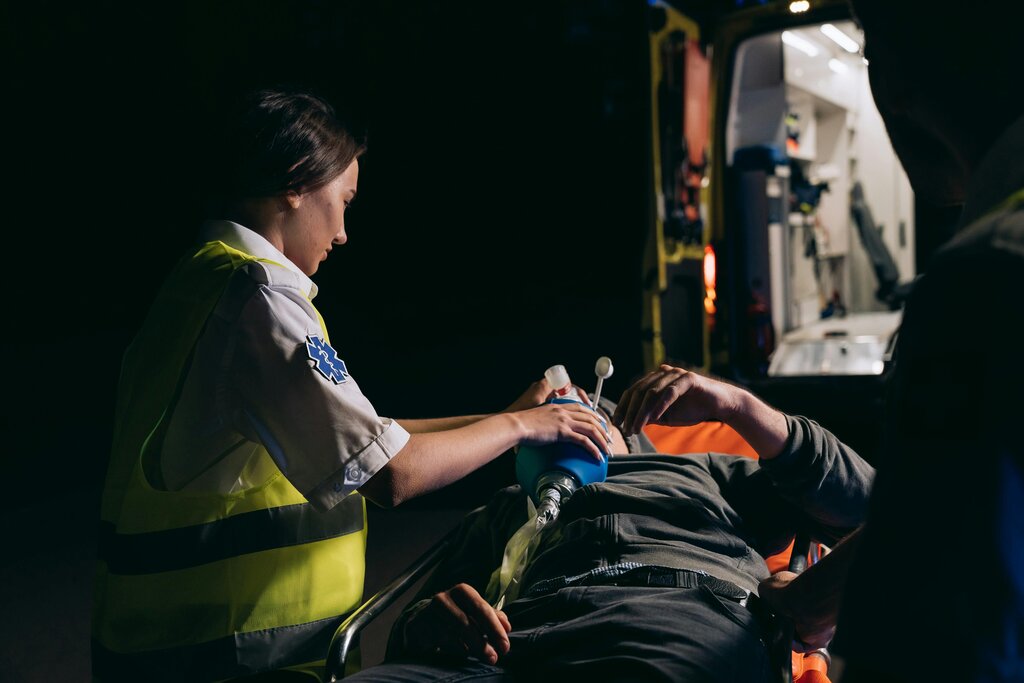
Based on the answers, you can give first-aid instructions. This might include telling an owner how to apply pressure to a wound, how to safely transport an animal with a potential spinal injury, or advising them to bring the packaging of any suspected toxin.
The goal is not to diagnose. It's to prepare the owner and the veterinary team for what's coming and to make the journey to the hospital as safe as possible for the patient.
Arrival: In-Person Triage
When the patient arrives, the assessment becomes immediate and hands-on. In-person triage is a rapid evaluation, often done in 30 to 60 seconds, to determine if the animal needs immediate life-saving intervention. This isn't a full exam; it's a quick check of the fundamentals from the moment they come through the door.
This quick look determines the patient's priority. A standardized system helps categorize them:
- Level 1 (Resuscitation): Actively dying. Cardiac arrest, respiratory arrest. Requires immediate intervention.
- Level 2 (Emergent): Critical, but has a pulse and is breathing. Severe trauma, shock, active seizures. Needs attention within minutes.
- Level 3 (Urgent): Seriously ill but not in immediate danger of death. Vomiting, fractures in stable patients. Needs attention within the hour.
- Level 4 (Less Urgent): Minor issues. Lameness, skin conditions. Can wait for a veterinarian.
This system ensures the most critical patients receive care first, regardless of who arrived earlier. It's a dynamic process, and a patient's status can change.
The Primary Survey
For patients deemed critical (Levels 1 and 2), the team immediately begins a primary survey. This systematic approach, often remembered by the mnemonic ABCDE, focuses on identifying and addressing imminent threats to life. The goal is stabilization.
| Mnemonic | Area of Focus | Key Questions |
|---|---|---|
| Airway | Is the airway clear and open? | Is there an obstruction? Is the animal making noise when breathing? |
| Breathing | Is the animal breathing effectively? | What is the respiratory rate and effort? Are the gums blue? |
| Circulation | Is blood circulating adequately? | What is the heart rate and pulse quality? Are there signs of shock? |
| Disability | What is the neurological status? | Is the animal alert or unconscious? Are the pupils responsive? |
| Exposure | Are there other obvious major injuries? | Are there major wounds, fractures, or signs of hypothermia? |
If a problem is found at any step, it's addressed immediately before moving to the next. An obstructed airway is cleared before assessing breathing. A collapsed patient in shock receives IV fluids to support circulation before a full neurological exam. This methodical process prevents overlooking a life-threatening problem in the rush of an emergency.
The Secondary Survey
Once the patient is stabilized and the immediate threats from the primary survey have been managed, the secondary survey can begin. This is a more thorough, head-to-tail physical examination designed to identify any other injuries or problems.
This is a systematic check of every body system: eyes, ears, nose, mouth, chest, abdomen, limbs, and spine. The veterinarian is looking for pain, swelling, wounds, or any other abnormalities missed during the initial rush. At this stage, the team will also gather a more detailed history from the owner, asking about the animal's recent health, medications, and the specific events leading up to the emergency.
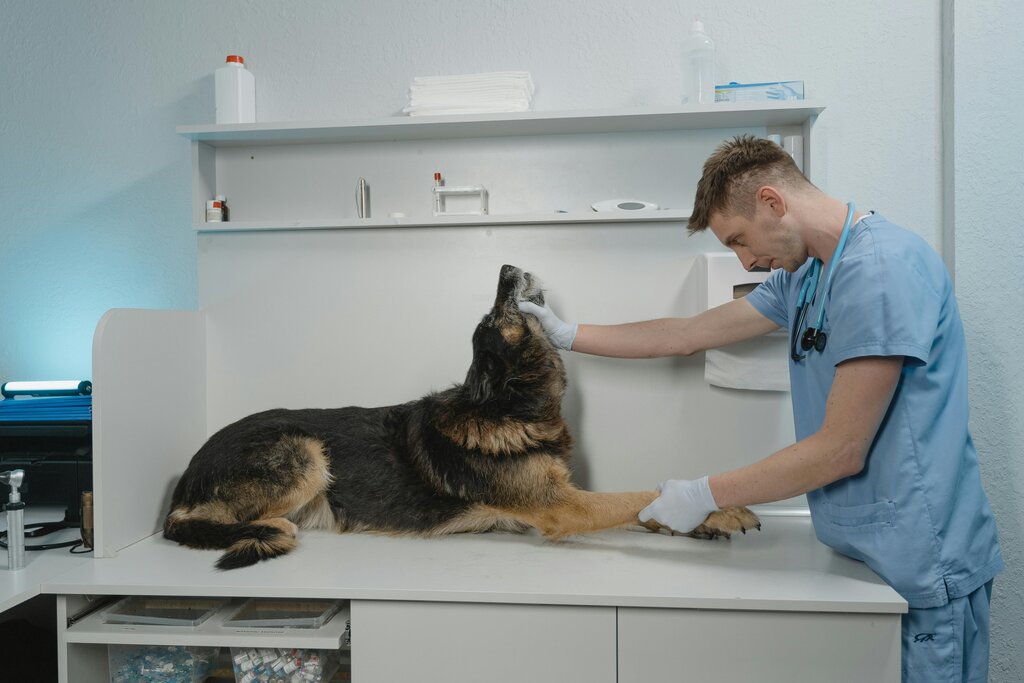
The findings from the secondary survey create a complete picture of the patient's status and guide the diagnostic and treatment plan. It ensures that while the major fire is being put out, nothing else is smoldering in the background.
Standardized emergency protocols, from triage to the secondary survey, ensure every patient receives efficient, thorough, and high-quality care, every time.
Now, let's review the key terms we've covered.
Ready to check your understanding?
What are the two primary goals of remote triage conducted over the phone?
A cat is brought into the clinic actively seizing and unresponsive. According to the standardized triage system, which level of priority is this patient?
A structured approach to triage and assessment is the foundation of emergency medicine. By quickly identifying priorities and stabilizing the most critical issues first, veterinary teams can dramatically improve patient outcomes.