SLP Graduate Clinical Practice and Reimbursement
Clinical Practice Settings
Where SLPs Work
As a speech-language pathologist, your career can take you to many different places. The field isn't confined to a single type of workplace. Instead, SLPs practice in a wide range of settings, from bustling schools to quiet homes. Each environment offers unique challenges, patient populations, and opportunities for professional growth. Let's explore the diverse landscape where you can make a difference.
Educational Settings
Many SLPs build their careers within the education system, helping children and adolescents overcome communication barriers that impact their learning and social development.
In public and private schools, SLPs are crucial members of the educational team. You'll work with students from kindergarten through high school, addressing issues like articulation disorders, stuttering, language delays, and social communication difficulties. A big part of the job involves creating and implementing Individualized Education Programs (IEPs) and collaborating closely with teachers, parents, and other specialists to support student success in the classroom.
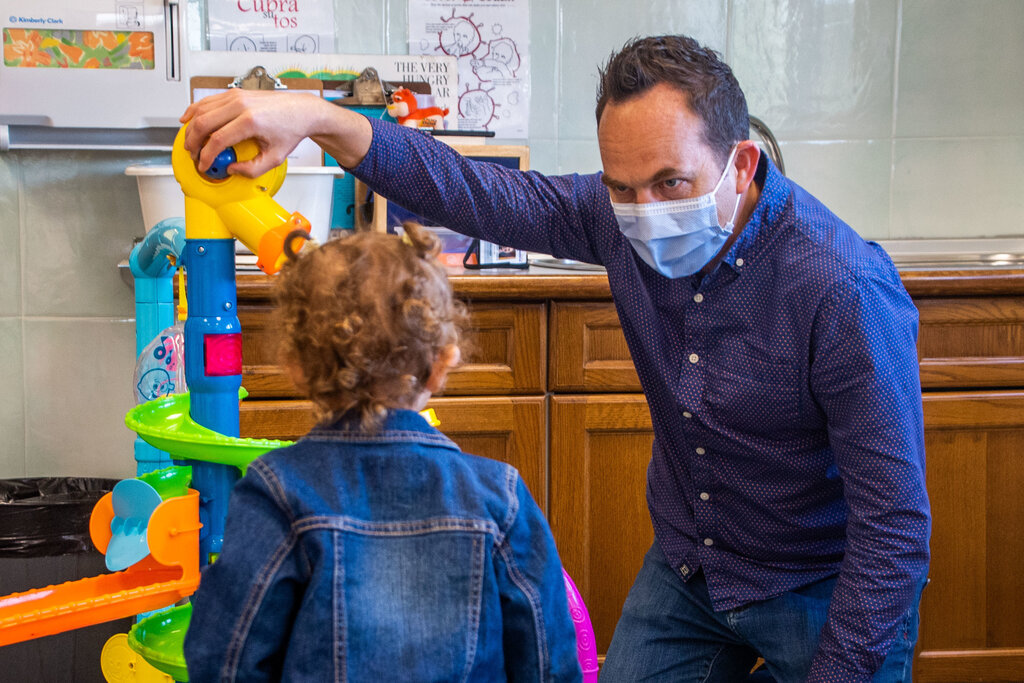
Early intervention (EI) programs focus on infants and toddlers, from birth to age three, who have developmental delays or disabilities. This work is deeply family-centered. As an EI specialist, you often provide services in the child’s natural environment, such as their home or daycare. The goal is to coach caregivers and embed communication strategies into daily routines, giving young children the strongest possible start.
Medical Environments
The medical side of speech-language pathology places you on the front lines of patient care, often as part of a large interdisciplinary team.
Hospitals and medical centers are fast-paced environments where SLPs perform critical diagnostic and therapeutic services. In acute care, you might conduct a bedside swallowing evaluation for a patient who just had a stroke, assess the cognitive-communication skills of someone with a traumatic brain injury, or work on voice restoration with a laryngectomy patient. The focus is often on assessment, immediate intervention, and planning for the next level of care.
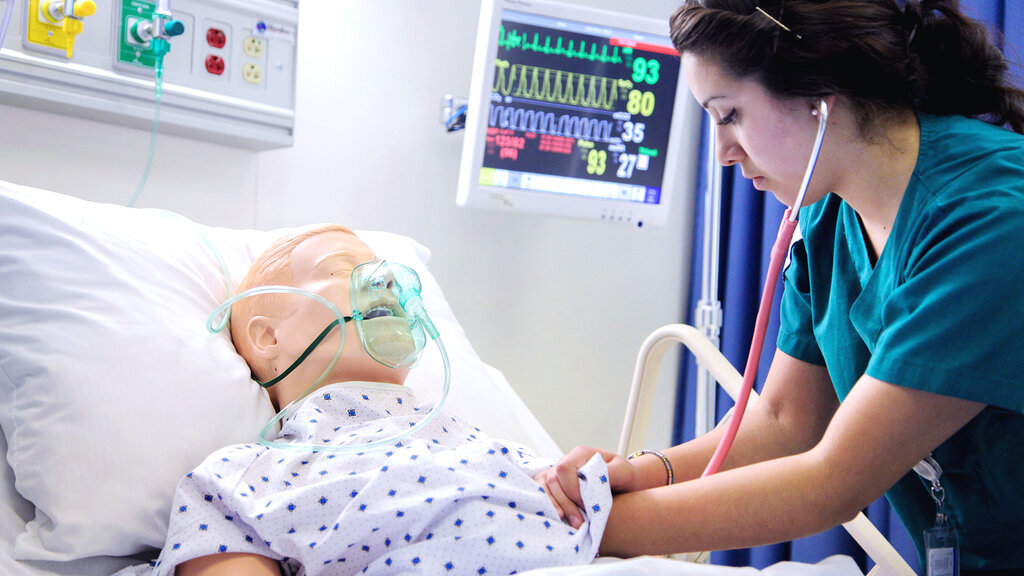
In rehabilitation facilities, the focus shifts to helping patients regain skills and function. You'll work with individuals recovering from strokes, brain injuries, or major surgeries. Therapy is typically more intensive than in an acute hospital, with the goal of improving communication, cognition, and swallowing to help patients return to their daily lives.
Long-term care facilities, such as skilled nursing homes, provide a home for residents who require ongoing medical care. Here, SLPs manage chronic conditions, focusing on maintaining swallowing function to ensure safe eating and enhancing communication to preserve quality of life and social connection. You'll often form long-term relationships with residents and their families.
Independent and Specialized Roles
Beyond traditional school and medical settings, SLPs are carving out roles in a variety of other environments, offering specialized services and entrepreneurial opportunities.
Running a private practice gives you the autonomy to build your own business. You might serve a specific niche, like pediatric feeding disorders, professional voice users, or adults who stutter. This path requires business acumen in addition to clinical skills, as you'll manage everything from marketing and scheduling to billing.
Home health services bring therapy directly to patients who are homebound. As a home health SLP, you'll travel to clients' residences to work on goals in their own environment. This setting allows you to see firsthand how communication or swallowing difficulties affect a person's daily life and to involve family members directly in the therapeutic process.
Finally, some SLPs pursue careers in universities and research institutions. This path involves teaching and mentoring the next generation of clinicians, conducting research that advances the field's knowledge base, and contributing to the evidence that guides clinical practice. Other SLPs find unique roles in corporate settings, working as accent modification coaches, communication consultants for executives, or developers for communication-focused technology companies.
Time to test your knowledge of these diverse settings.
An SLP is working with an 18-month-old child and their parents in their home to incorporate language-building activities into playtime and mealtime. In which setting is this SLP most likely working?
What is the primary therapeutic goal for an SLP in a rehabilitation facility?
As you can see, a career in speech-language pathology offers a remarkable degree of flexibility. The setting you choose will shape your daily work, the populations you serve, and the skills you develop.