Slow-Carb Diet and MED Exercise
Slow-Carb Rules
The Five Pillars of Slow-Carb
The Slow-Carb Diet is built on five simple but strict rules. Their main purpose is to manage your body's insulin response to encourage fat loss. By controlling what and when you eat, you can minimize the hormonal signals that tell your body to store fat. Let's break down the rules.
Slow Carb DietFocuses on specific carb types for stable blood sugar and fat loss, with one cheat day per week
Rule 1: Avoid 'White' Carbs
This is the most critical rule. You must avoid any carbohydrate that is, or can be, white. This includes all bread, rice (including brown), cereal, potatoes, pasta, tortillas, and fried food with breading. Think of these foods as being 'fast' carbs. They are digested quickly and cause a rapid spike in blood sugar.
When your blood sugar shoots up, your pancreas releases insulin to shuttle that sugar out of your bloodstream and into your cells for energy. Any excess sugar is then efficiently converted and stored as fat. By avoiding these refined carbohydrates, you prevent this insulin spike and keep your body in a fat-burning mode. The goal is to get your carbohydrates from sources that digest slowly, like lentils and beans.
Rules 2, 3, & 4: Simplify Your Choices
The next three rules work together to simplify your eating habits, making the diet easier to follow long-term.
Rule #2: Eat the same few meals over and over again. Successful followers of this diet find a handful of meals they enjoy that fit the rules and they repeat them. This eliminates decision fatigue and makes grocery shopping and meal prep incredibly simple. You are more likely to stick to a plan when you don't have to constantly think about what to eat next. Your meals should be built around a protein source (lean meat, fish, eggs), legumes (lentils, black beans), and vegetables.
| Protein | Legume | Vegetable |
|---|---|---|
| Eggs | Lentils | Spinach |
| Chicken Breast | Black Beans | Broccoli |
| Grass-fed Beef | Pinto Beans | Asparagus |
| Fish | Soybeans | Mixed Greens |
Rule #3: Don't drink your calories. Your body doesn't register satiety from liquid calories the same way it does from solid food. You can drink a 400-calorie soda and still feel hungry, but eating 400 calories of chicken and broccoli will leave you feeling full. Stick to water, unsweetened tea, or black coffee. A small amount of red wine is permissible, but sugary juices, milk, and regular sodas are out.
Rule #4: Don't eat fruit. This is often the most controversial rule. While fruit is natural, it contains fructose, a type of sugar. The body processes differently than other sugars. It is metabolized almost exclusively in the liver, where it can be easily converted into fat, a process called de novo lipogenesis. For the purposes of rapid fat loss, it's best to avoid fruit entirely. The main exceptions are avocados and tomatoes, which are botanically fruits but have a minimal impact on blood sugar.
Rule 5: Take a Day Off
This is the final, and perhaps most enjoyable, rule: Take one day off per week and go wild. This is your "Cheat Day." For one day a week, you are encouraged to eat whatever you want. Pizza, ice cream, beer, pasta, fruit—nothing is off-limits.
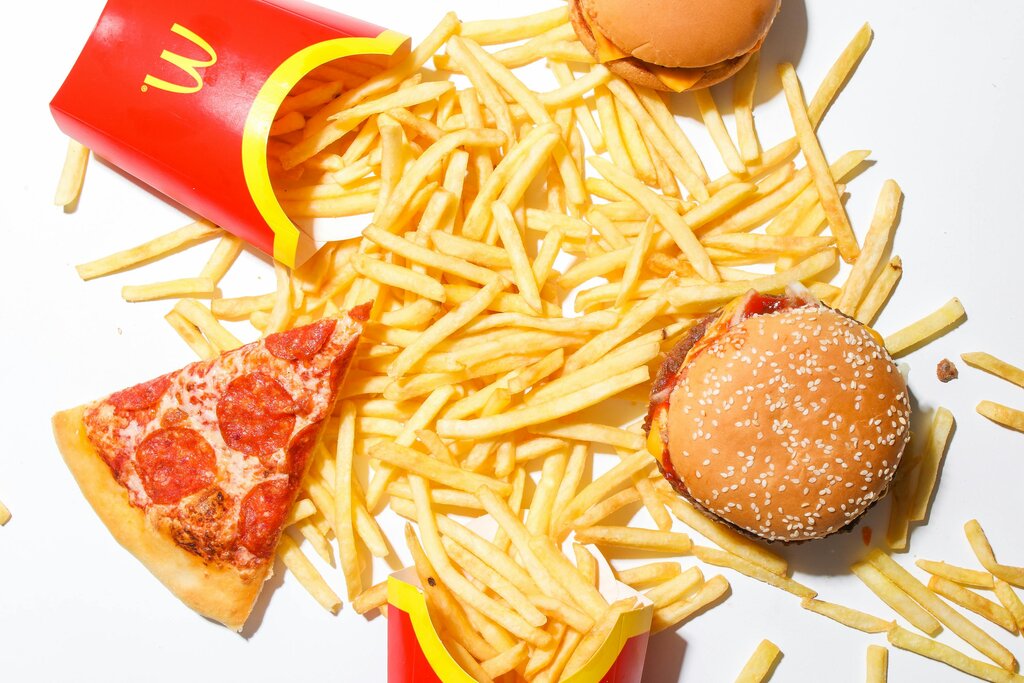
This isn't just for psychological relief, though it certainly helps with adherence. Spiking your caloric intake once a week can prevent your metabolism from slowing down, a common issue with long-term caloric restriction. It replenishes glycogen stores in your muscles and provides a metabolic jolt that can actually accelerate fat loss in the days that follow. Just be sure to confine the indulgence to a single, planned day. This strategic break makes the strictness of the other six days manageable and sustainable.
By following these five rules, you can create a simple, effective framework for fat loss that doesn't require obsessive calorie counting. The focus is on hormonal control, not just energy balance.