Slovenia vs France Property Investment for Rentals
Property Market Overview
The French Property Market
France presents a tale of two markets: the bustling, high-demand urban centers and the tranquil, more affordable countryside. Prices in cities like Paris, Nice, and Lyon can be steep. A small apartment in the heart of Paris might cost as much as a sprawling farmhouse in the Dordogne. This contrast is driven by jobs, infrastructure, and international appeal.
Outside of the major metropolitan areas, property becomes significantly more accessible. Regions like Normandy or the Limousin offer prices well below the national average, attracting buyers looking for holiday homes or a slower pace of life. The country's diverse geography means you can find everything from Alpine chalets to Mediterranean villas.
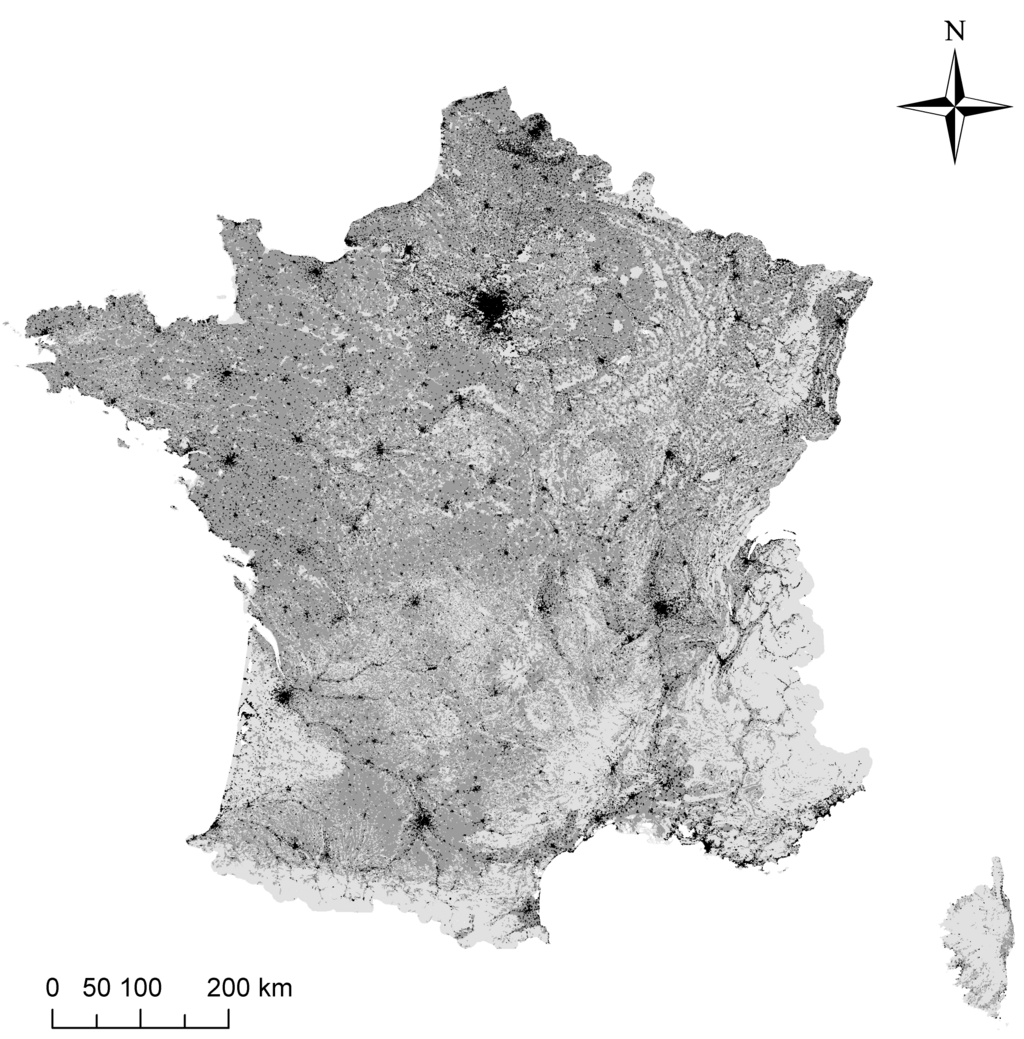
Rental yields, which measure the annual return from a rental property, reflect this urban-rural split. In high-demand cities, high property prices can compress yields, even with strong rental income. Conversely, lower purchase prices in rural areas can sometimes lead to surprisingly attractive yields, especially in towns with local character and tourism draw.
| Location | Avg. Price per sq. meter (Apartment) | Gross Rental Yield (Est.) |
|---|---|---|
| Central Paris | $10,000 - $15,000+ | 2.5% - 3.5% |
| Regional City (e.g., Marseille) | $3,000 - $5,000 | 4.0% - 6.0% |
| Rural Village | $1,000 - $2,500 | 5.0% - 7.5% |
Tourism is a massive driver of the French property market, particularly for short-term rentals. The Côte d'Azur, Provence, and the Alps are perennial favorites, ensuring high demand for holiday lets. This demand keeps prices buoyant and offers lucrative opportunities for investors. Even lesser-known regions benefit from niche tourism, whether it's wine tours in Burgundy or historical sites in the Loire Valley. The market forecast remains stable, with cities showing steady appreciation and rural areas gaining popularity among those seeking more space.
Slovenia's Growing Market
Slovenia offers a different scale but a similarly diverse landscape. It's a compact country known for its stunning natural beauty, from the Julian Alps to the Adriatic coast. The property market is largely centered around the capital, Ljubljana, and key tourist hotspots like Lake Bled and the coastal town of Piran.
Ljubljana has seen consistent price growth, fueled by its vibrant culture and growing economy. It's the primary hub for business and long-term rentals. Property here is the most expensive in the country but is considered a stable investment.
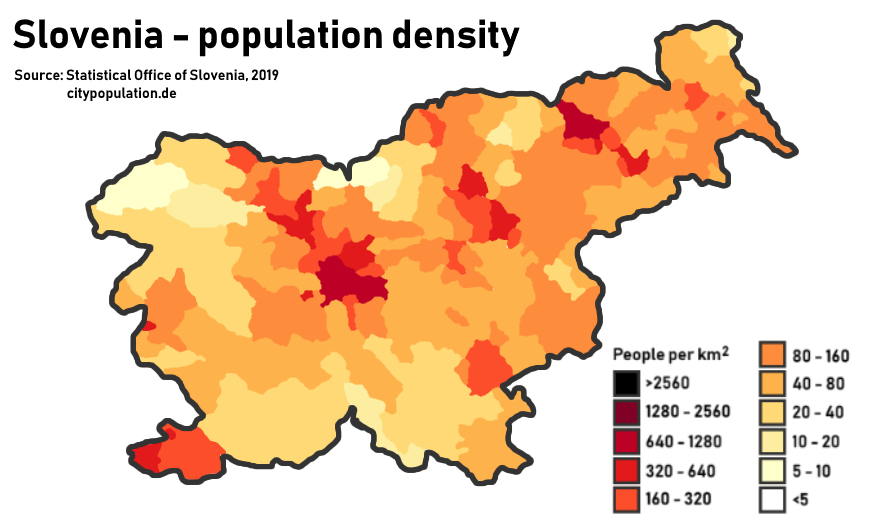
Outside the capital, prices are more modest. Rural properties, especially those needing renovation, can be found at a fraction of the cost. These are popular with foreign buyers looking for a holiday home in a scenic, accessible European country.
Rental yields in Slovenia are generally higher than in many Western European countries. The lower entry cost for property outside of Ljubljana helps boost the potential return on investment. In the capital, strong and consistent rental demand from students and professionals keeps yields healthy.
In Slovenia, the gap between urban and rural property prices is significant, but the entire country benefits from a robust tourism sector that boosts rental demand almost everywhere.
Tourism's influence is immense. The country's small size means that visitors can easily travel from the mountains to the sea, creating demand for short-term lets across various regions. Areas near Triglav National Park and the Soča Valley are popular for adventure tourism, while the coast attracts sun-seekers. This broad appeal means investment opportunities aren't just confined to one or two major cities. Market trends point toward continued growth, especially in eco-tourism and properties that offer unique natural experiences.
Key Differences
The most obvious difference is scale. France is a vast, established market with globally recognized destinations. Slovenia is a smaller, emerging market with a more intimate feel and significant growth potential.
Property prices in France have a much wider range, from exceptionally high in prime urban locations to very low in remote rural areas. Slovenia's price range is narrower. While Ljubljana is more expensive, the price drop to rural areas is less extreme than in France.
Both countries have strong tourism demand, but it's distributed differently. In France, demand is concentrated in well-known regions. In Slovenia, the country's compact nature spreads tourist activity more evenly, creating broader opportunities for short-term rental investments beyond the main hotspots.