Slovak Language Acquisition Mastery
Slovak Phonetics
The Slovak Alphabet
The Slovak alphabet is straightforward if you already know the Latin alphabet. It has 46 letters in total, with most of them being familiar. The main difference comes from special marks called diacritics, which are added to letters to change their pronunciation.
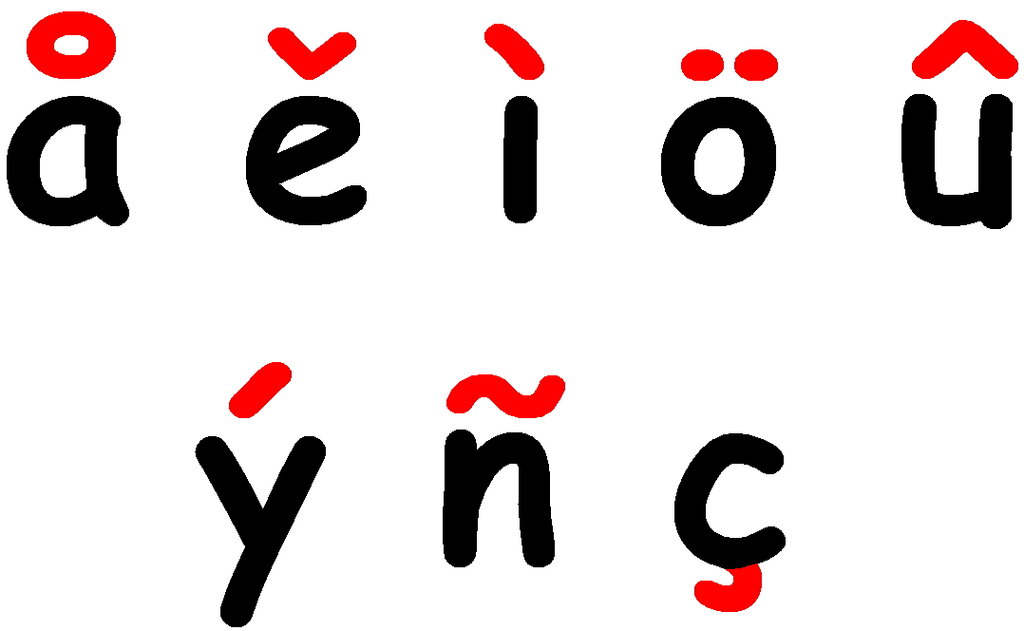
There are three main diacritical marks you'll need to know. Don't worry about memorizing the Slovak names right away, just focus on what they do.
| Mark | Slovak Name | What it does |
|---|---|---|
| ´ | dĺžeň | Makes a vowel sound longer. |
| ˇ | mäkčeň | Softens a consonant. |
| ^ | vokáň | Creates a diphthong sound. |
The great thing about Slovak is that it's highly phonetic. Once you learn the sound for each letter, you can pronounce almost any word correctly just by looking at it.
Vowel Sounds
Slovak has short and long vowels. The short vowels sound very similar to their English counterparts:
- a as in "cat"
- e as in "bed"
- i as in "sit"
- o as in "log"
- u as in "put"
To make a vowel long, you add the dĺžeň (´), which looks like an acute accent. A long vowel is held for about twice as long as a short one.
- á as in "father"
- é as in the "a" in "fare"
- í is like the "ee" in "see"
- ó is like the "o" in "more"
- ú is like the "oo" in "food"
Slovak also has four diphthongs, which are two vowel sounds that glide together. The letters ia, ie, and iu are straightforward glides. The last one, ô, is unique. It's pronounced like the "wo" in "won't".
diphthong
noun
A sound formed by the combination of two vowels in a single syllable, in which the sound begins as one vowel and moves toward another.
Consonants Soft and Hard
Now for the consonants. Many are pronounced just as you'd expect, like m, p, f, and k. The fun begins with the mäkčeň (ˇ), also known as a caron. This little hook softens consonants.
Here are the most important ones to learn:
- č sounds like "ch" in "church"
- š sounds like "sh" in "shoe"
- ž sounds like the "s" in "pleasure"
- ň sounds like the "ny" in "canyon"
Some soft consonants are written with the mäkčeň only when they are capital letters. In lowercase, it looks like an apostrophe.
- ď sounds like the "d" in "due"
- ť sounds like the "t" in "stew"
- ľ is a soft "l," similar to the "lli" in "million"
Another important consonant is ch, which is considered a single letter in Slovak. It's a raspy sound made at the back of the throat, like the "ch" in the Scottish word "loch."
Rhythm and Stress
Slovak has a few key rules that govern the flow of the language. The most important one for pronunciation is about stress.
In Slovak, the stress is always on the first syllable of a word. Always. This makes it much easier to know how to pronounce new words.
No matter how long the word is, the emphasis always falls on the very first syllable.
Another unique feature is the "rhythm rule." In simple terms, two long syllables (syllables with a long vowel or a diphthong) can't appear next to each other in a word. If a grammatical ending would create two long syllables in a row, the second one is automatically shortened. You don't need to memorize this rule now, but it's good to know it exists as it explains why some words seem to change their vowel length.
Finally, there's voicing assimilation. This just means that some consonants change their sound to match the consonant that comes after them. For example, the letter v usually sounds like the English "v," but at the end of a word it sounds like "f." You'll pick these patterns up naturally as you listen to more Slovak.
Since Slovenian is mostly phonetic, mastering pronunciation early helps avoid future difficulties.
Ready to test your knowledge of Slovak sounds?
How many letters are in the official Slovak alphabet?
In Slovak pronunciation, where is the stress always placed in a word?