Sliding Glass Door Installation Fundamentals
Introduction to Sliding Glass Doors
How Sliding Doors Work
Sliding glass doors operate on a simple principle: instead of swinging open on hinges, one or more large glass panels slide horizontally along a track. One panel is typically fixed in place, while the other moves. This design is a major space-saver, as it requires no room for the door to swing inward or outward.
Because they are mostly glass, these doors are excellent for connecting indoor and outdoor areas. They let in a lot of natural light and offer expansive views, making spaces feel larger and more open. You'll commonly find them used as patio doors in homes or as entrances in commercial buildings.
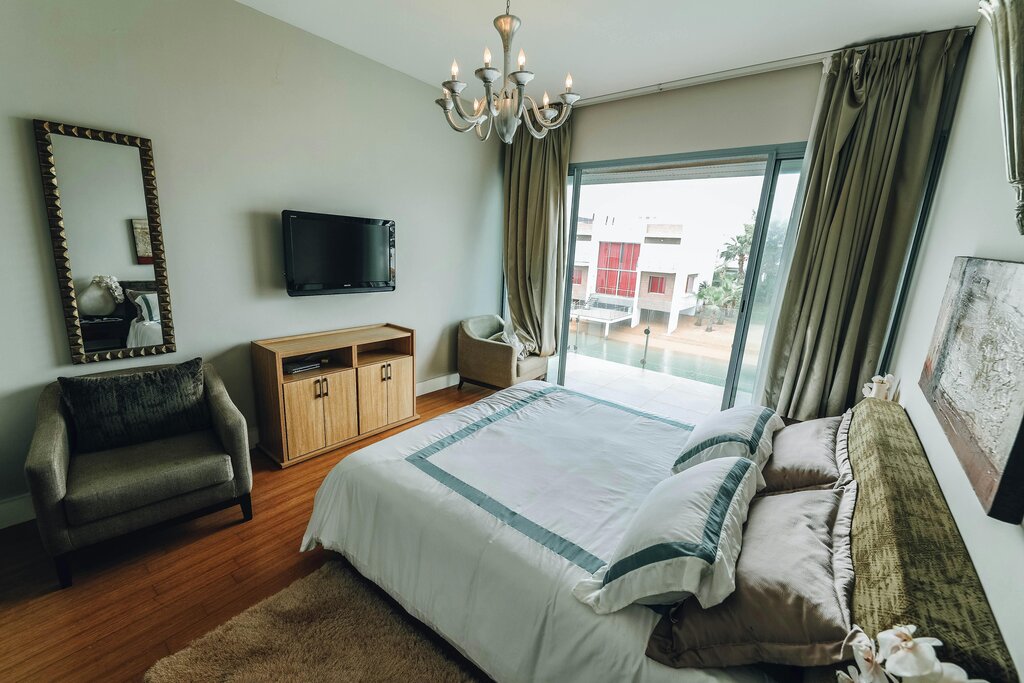
Sliding fronts eliminate door swing clearance, open up usable square footage, and create a clean, continuous elevation that works in kitchens, utility rooms, home offices, and bedrooms.
Common Designs
While the basic idea is the same, sliding glass doors come in several distinct designs, each suited for different architectural styles and functional needs.
The most common is the traditional sliding door, also known as a gliding door. It usually has two panels, where one slides over the other fixed panel. It's a straightforward, reliable, and cost-effective option.
Disappearing doors, often called pocket doors, take this a step further. When opened, the sliding panels glide into a hidden compartment, or "pocket," within the adjacent wall. This creates a completely unobstructed opening, seamlessly merging two spaces.
A trackless door hangs from an overhead track system, eliminating the need for a bottom track set into the floor. This design provides a smooth, uninterrupted floor surface, which is great for accessibility and creates a cleaner aesthetic. It removes a potential tripping hazard and makes cleaning easier.
For a dramatic architectural statement, there are opening corner doors. This system features two sliding doors that meet at a 90-degree corner. When both doors are opened, they slide away from the corner into wall pockets, making the corner of the room seem to vanish entirely. This opens up the space to the outdoors in a unique way.
Here is a quick comparison of the different types:
| Door Type | Key Feature | Best For |
|---|---|---|
| Traditional | One panel slides over a fixed panel. | Standard patios, balconies, and general use. |
| Disappearing | Panels slide into a hidden wall pocket. | Creating a completely open transition between spaces. |
| Trackless | Hangs from an overhead track; no floor rail. | Seamless flooring, accessibility, and modern aesthetics. |
| Opening Corner | Doors meet at a corner and slide away. | Making a dramatic architectural statement. |
Now, let's test your knowledge.
What is the primary advantage of a standard sliding glass door compared to a traditional hinged door?
Which type of sliding door is designed to glide into a hidden compartment within a wall, creating a completely unobstructed opening?
Understanding these basic designs is the first step in seeing how versatile sliding glass doors can be in both homes and businesses.