Sleepwear for Menopause Canada
Understanding Menopause
The Menopause Transition
Menopause is a natural biological process, marking the end of a person's menstrual cycles. It's not a disease or a disorder, but a transition that unfolds over several years. This journey has distinct stages, each with its own characteristics.
If menopause is the finish line, perimenopause is the obstacle course leading up to it, and no two women run the course the same way.
The process begins with perimenopause, which can start in your late 30s or 40s. During this time, the ovaries gradually begin to make less estrogen. Hormone levels rise and fall unevenly, leading to unpredictable menstrual cycles and the first appearance of menopausal symptoms.
Menopause is officially diagnosed after you've gone 12 consecutive months without a menstrual period. The average age for this milestone is 51, but it can vary widely. At this point, the ovaries have stopped releasing eggs and produce very little estrogen.
Postmenopause refers to the years after menopause. During this stage, menopausal symptoms like hot flashes may ease for many people. However, due to lower estrogen levels, health risks for certain conditions, such as osteoporosis, increase.
Common Symptoms
The hormonal fluctuations of perimenopause and menopause can trigger a wide range of physical and psychological symptoms. Among the most common are hot flashes and night sweats, known together as vasomotor symptoms.
A hot flash is a sudden feeling of intense heat that isn't caused by external sources. It can appear suddenly and spread throughout the body, often accompanied by sweating, a flushed face, and a rapid heartbeat.
When hot flashes happen at night, they are called night sweats. They can be severe enough to drench your sheets and disrupt your sleep. This is one of the main reasons why sleep disturbances are so common during the menopausal transition. Waking up multiple times a night leads to fatigue, irritability, and difficulty concentrating during the day.
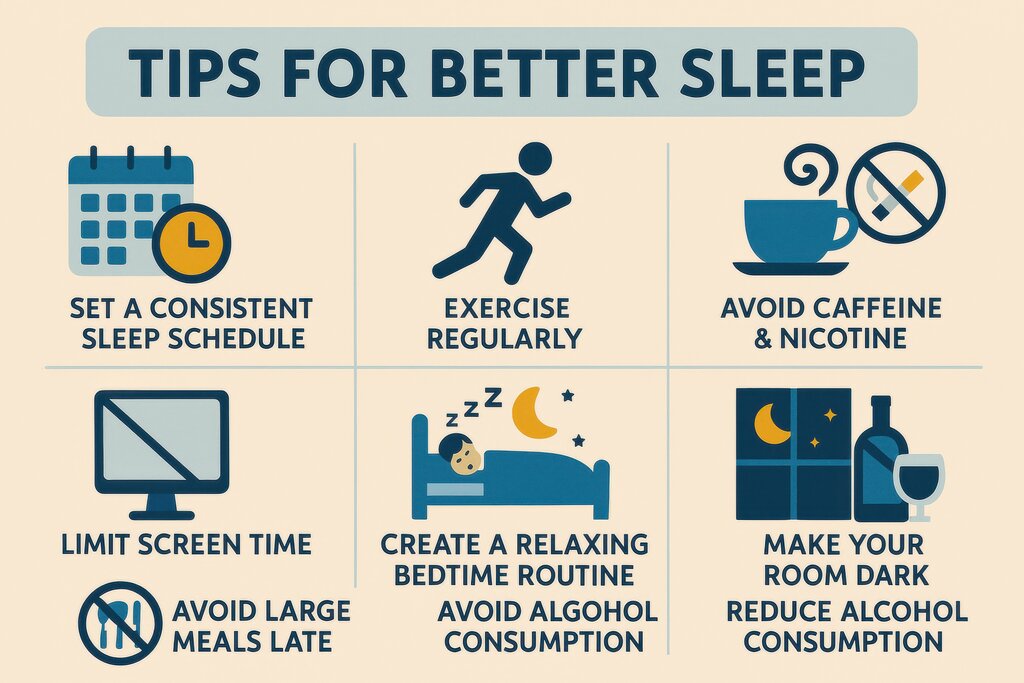
Beyond sleep, these symptoms can have a significant impact. Imagine having a hot flash during an important work meeting or while giving a presentation. The sudden discomfort and visible sweating can cause feelings of embarrassment and anxiety, affecting confidence and performance.
Psychological Effects
The hormonal shifts of menopause don't just affect the body; they have a powerful impact on the mind as well. Many people experience mood swings, increased anxiety, or even feelings of depression during this time.
As a result, when these hormones drop during menopausal transition, we experience cognitive symptoms like brain fog, mood swings, anxiety, depression, and sleep disturbances.
It can be confusing and distressing to feel irritable or anxious for no apparent reason. These feelings are often linked to the rollercoaster of estrogen and progesterone levels, combined with the physical stress of symptoms like poor sleep and hot flashes. The sense of losing control can be unsettling and affect relationships at home and at work.
These symptoms are very common. In Canada, it is estimated that over four million women are currently experiencing menopause. Many struggle with symptoms that affect their quality of life, yet the topic is often not openly discussed. This lack of conversation can make people feel isolated, believing they are the only ones going through these challenges.

Understanding that these physical and emotional changes are a normal part of a biological transition is the first step toward managing them. Recognizing the profound impact they can have on daily life highlights the need for support, open conversation, and effective solutions.
When is menopause officially diagnosed?
Which stage of the menopausal transition is characterized by gradually decreasing estrogen, fluctuating hormone levels, and irregular menstrual cycles?