Sleep Smarter, Live Better
Understanding Sleep Basics
The Architecture of Sleep
Sleep isn't just an on/off switch. When you close your eyes, your brain cycles through different stages, each with a unique purpose. Think of it as a well-organized night shift, with different teams taking over at different times to get the job done. The two main types of sleep are Non-REM and REM.
Non-REM Sleep
noun
Stands for Non-Rapid Eye Movement sleep. It's the period of sleep divided into three stages, moving from light to very deep sleep.
Non-REM sleep is the workhorse of your nightly rest. It begins with N1, a light, drowsy stage where you can be easily woken. You then drift into N2, where your heart rate and body temperature drop. This stage makes up about half of your total sleep time.
Finally, you enter N3, the deepest and most restorative stage, also known as slow-wave sleep. During N3, your body repairs tissues, builds bone and muscle, and strengthens the immune system. Waking up from this stage is difficult and leaves you feeling groggy.
REM Sleep
noun
Stands for Rapid Eye Movement sleep. It is a stage of sleep characterized by rapid eye movements, more dreaming and bodily movement, and faster pulse and breathing.
About 90 minutes after falling asleep, you'll typically enter your first REM cycle. During this stage, your brain activity looks surprisingly similar to when you're awake. Your eyes move rapidly behind your eyelids, your breathing becomes irregular, and your heart rate increases. This is when most vivid dreaming occurs. To keep you from acting out these dreams, your brain temporarily paralyzes your muscles.
You cycle through Non-REM and REM stages multiple times a night, with REM periods getting longer as morning approaches.
This chart shows a typical night's sleep. Notice how you dip into deep N3 sleep more in the first half of the night, while REM sleep dominates the later hours.
Your Body's Internal Clock
What tells your body it's time to sleep or wake up? That's the job of your circadian rhythm, a roughly 24-hour internal clock that runs in the background of your brain. This biological clock regulates cycles of alertness and sleepiness in response to light and darkness in your environment.
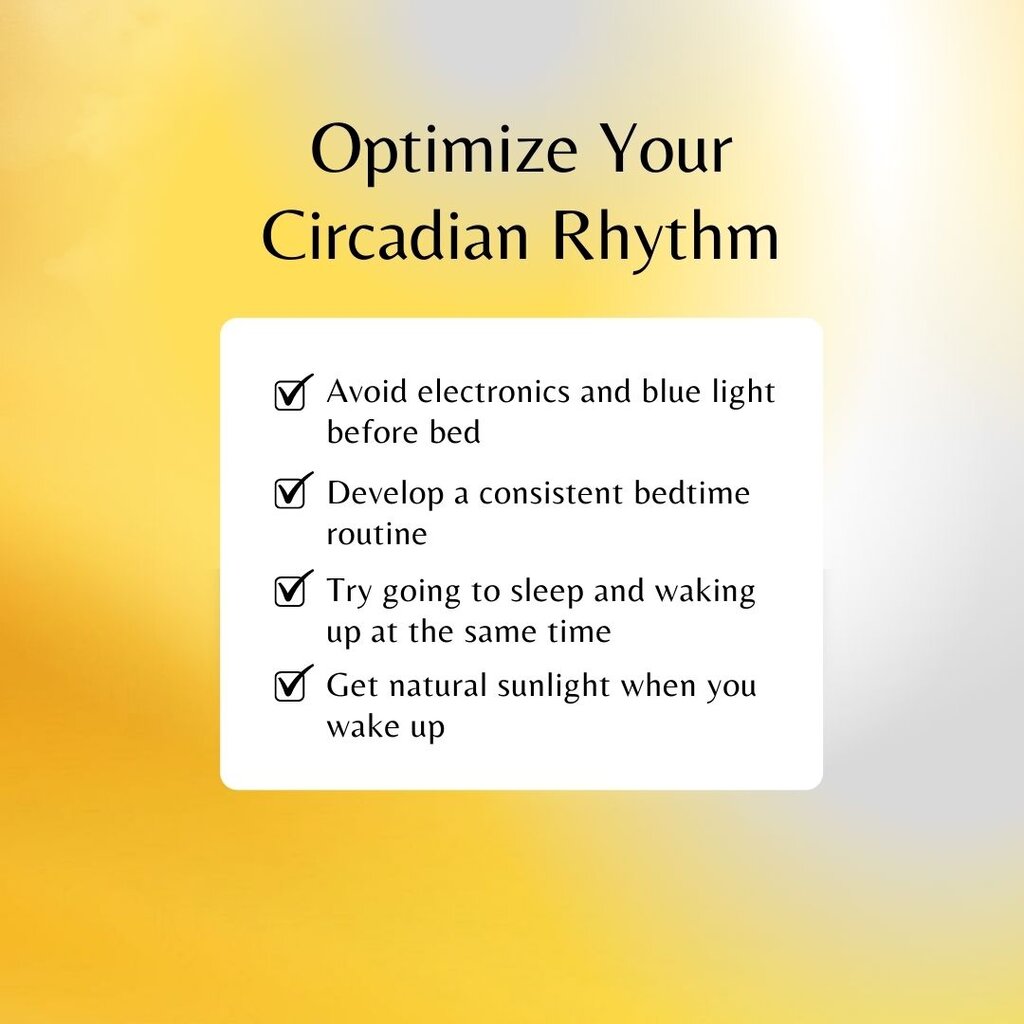
The main driver of your circadian rhythm is a tiny region in your brain called the suprachiasmatic nucleus (SCN). It's highly sensitive to light. When light enters your eyes, the SCN tells the brain it's daytime, promoting wakefulness.
As darkness falls, the SCN signals the pineal gland to release melatonin, a hormone that makes you feel drowsy. This is why using bright screens late at night can disrupt your sleep. The blue light tricks your brain into thinking it's still daytime, suppressing melatonin production and making it harder to fall asleep.
Why Sleep Is a Necessity
Sleep isn't a luxury; it's a critical biological function that affects nearly every system in your body. While you rest, your body is hard at work repairing itself. Muscles grow, tissues are repaired, and important hormones are released. A good night's sleep is also essential for a robust immune system, helping you fight off infections.
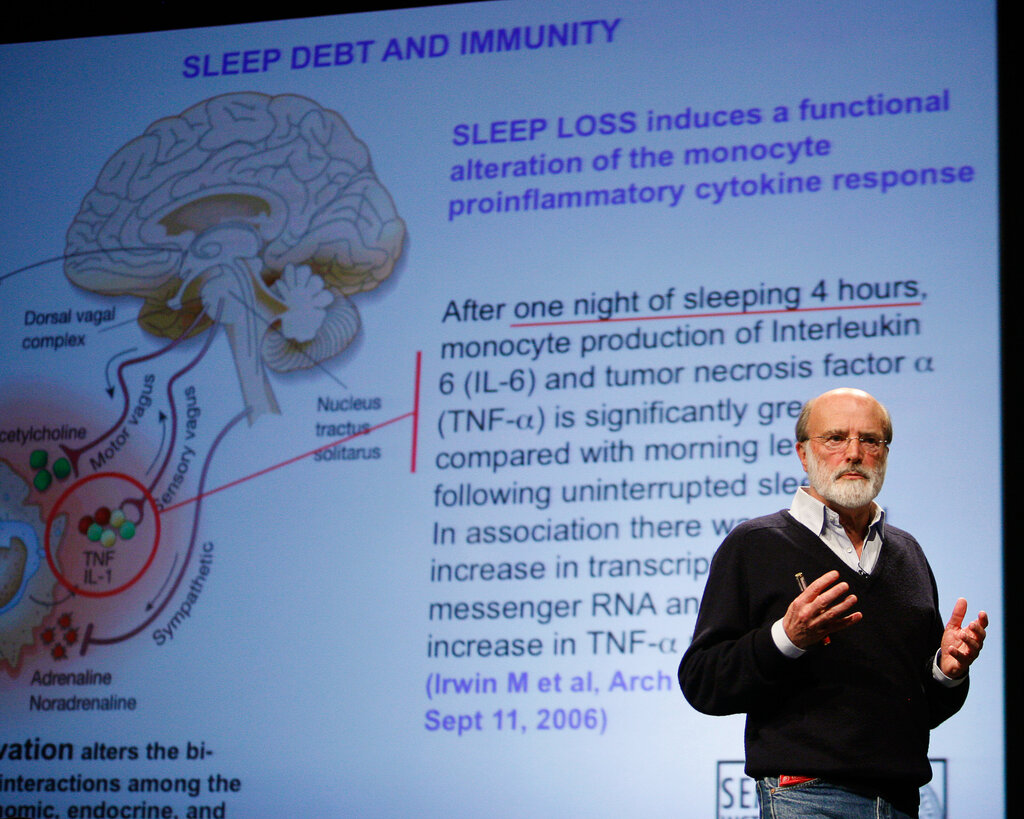
Your brain also gets a major tune-up during sleep. It's when you consolidate memories, transforming short-term experiences into long-term knowledge. Think of it as your brain's filing system, organizing the day's information and discarding what's not important. This process is crucial for learning and problem-solving.
Sleep also plays a huge role in emotional regulation. When you're sleep-deprived, you're more likely to be irritable, impulsive, and moody. Getting enough rest helps you maintain emotional balance and manage stress.
Without enough sleep, it's difficult to focus, make good decisions, or learn new things. Consistent, quality sleep directly translates to better cognitive performance and higher energy levels during the day.
Ready to see what you've learned about the fundamentals of sleep?
During which stage of sleep does the body primarily focus on repairing tissues, building bone and muscle, and strengthening the immune system?
What is the primary environmental cue that regulates your circadian rhythm, or internal body clock?
Understanding these basics is the first step toward improving your sleep. By appreciating what your brain and body are doing each night, you can start building habits that support this vital process.