Sleep Smarter Boost Performance
Understanding Sleep Cycles
The Architecture of Sleep
Falling asleep isn't like flipping a switch. It's more like descending a staircase into a complex, hidden world. Our brains don't just shut off for eight hours; they cycle through different stages of activity, each with a unique purpose. A full journey through these stages is called a sleep cycle, and we typically complete four to six of them each night.
The Two Types of Sleep
All sleep is divided into two main categories: Non-Rapid Eye Movement (NREM) sleep and Rapid Eye Movement (REM) sleep. A single sleep cycle involves moving through the stages of NREM sleep and then entering a period of REM sleep. The entire cycle lasts about 90 to 110 minutes.
Over the course of a night, the composition of these cycles changes. The first half of the night is dominated by deep, restorative NREM sleep, while the second half features longer and more frequent periods of REM sleep.
Let's walk through the stages of a typical cycle.
The NREM Stages
Non-REM sleep is divided into three stages, each progressively deeper than the last.
N1 (Stage 1): This is the brief, transitional phase of drowsiness. Your muscles relax, and your brain waves start to slow down. You're easily woken up during this stage. That sudden feeling of falling, called a hypnic jerk, often happens here.
N2 (Stage 2): You spend about half your total sleep time in this stage. It's a light but steady sleep. Your heart rate and body temperature drop. Your brain produces bursts of rapid activity called sleep spindles, which are thought to play a role in consolidating memories and processing information from the day.
N3 (Stage 3): This is deep sleep, also known as slow-wave sleep. It's the most restorative and refreshing stage, and it's very difficult to be woken from it. If you are, you'll likely feel groggy and disoriented. During N3, the body repairs tissues, builds bone and muscle, and strengthens the immune system. Crucially, this is when the brain cleans itself, flushing out waste products that build up during waking hours. This cerebral housekeeping is vital for maintaining cognitive function.
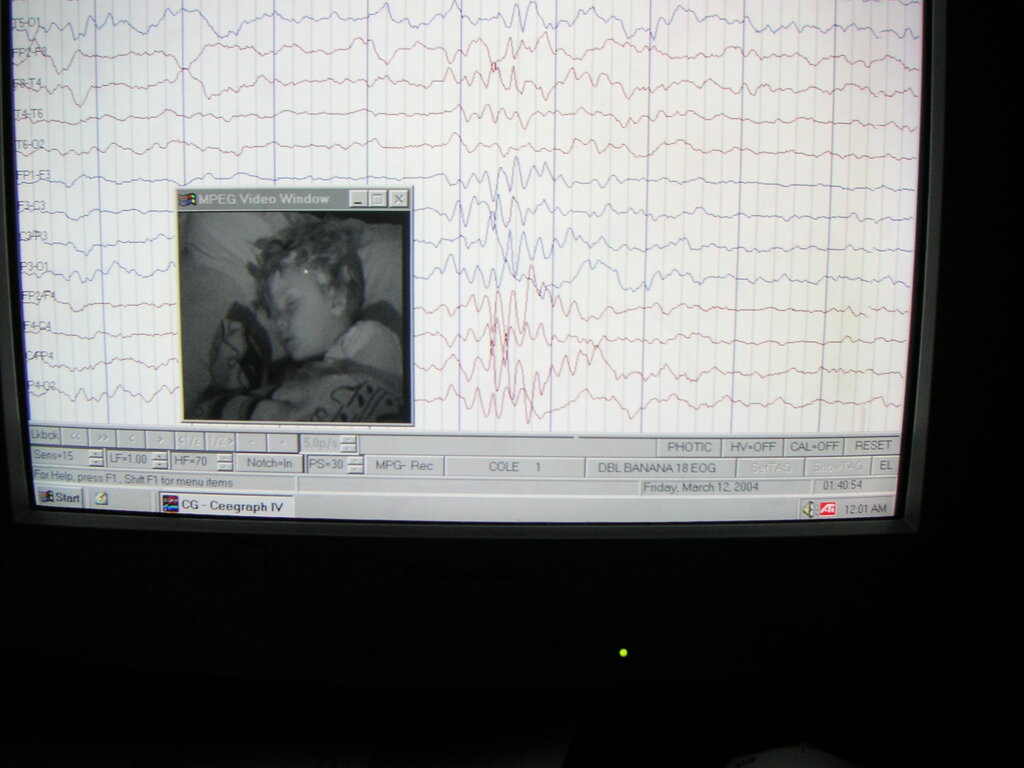
After reaching the deepest point of N3, the cycle doesn't end. Instead, your brain activity begins to climb back up through N2 and then enters an entirely different state.
REM: The Dreaming Stage
REM sleep is when things get interesting. Your brain activity suddenly looks very similar to when you're awake and alert. Your eyes dart back and forth beneath your eyelids—hence the name, Rapid Eye Movement. Breathing becomes faster and heart rate can increase.
Despite this internal storm of activity, your body is essentially paralyzed. A mechanism in the brainstem temporarily immobilizes your voluntary muscles, preventing you from acting out your dreams. This is the stage where most of our vivid, narrative-driven dreams occur.
REM sleep is critical for emotional regulation and memory consolidation, particularly for procedural skills like learning a new instrument or sport. It helps cement what you've learned into long-term memory.
Each sleep cycle performs a different set of functions. The deep, slow-wave sleep early in the night handles physical restoration, while the longer REM periods later on focus more on mental and emotional maintenance.
Understanding this architecture reveals why a full, uninterrupted night of sleep is so important. Waking up frequently disrupts these cycles, preventing you from getting enough of the deep NREM and REM sleep your brain and body need. This is why a fragmented six hours of sleep can leave you feeling much less rested than a solid block of six hours. Your energy and cognitive performance the next day depend directly on the quality of these nightly cycles.
During which stage of sleep does the brain consolidate procedural memories and produce vivid, narrative-driven dreams?
A person woken up feeling extremely groggy and disoriented was most likely in which stage of sleep?