Sleep Science and Athletic Optimization
Sleep Architecture and Metabolism
Sleep Architecture, Not Just Duration
For athletes, thinking of sleep purely in terms of hours is a critical mistake. While getting enough sleep is important, the real key to recovery lies in its structure, or architecture. A full night's sleep isn't a monolithic block of rest. Instead, it's a cyclical journey through distinct stages, primarily Non-REM (NREM) and REM sleep. Each stage serves a unique and vital purpose in physical and mental restoration.
NREM sleep is further divided into stages, culminating in Slow-Wave Sleep (SWS), the deepest and most physically restorative phase. REM sleep, on the other hand, is characterized by brain activity that resembles wakefulness and is crucial for cognitive processing. For an athlete, disrupting the natural progression through these stages can undermine recovery, even if the total sleep time seems adequate.
The Physical Rebuilding Phase
Slow-Wave Sleep is the body's prime time for physical repair. During this deep stage, the brain is quiet, and blood flow is redirected from the brain to the muscles. This shift delivers the oxygen and nutrients needed to repair the microscopic tears, or microtrauma, caused by intense training.
Critically, SWS is when the body has its largest release of , particularly Human Growth Hormone (HGH). This hormone is essential for stimulating muscle protein synthesis, the process of rebuilding and strengthening muscle fibers. Without sufficient SWS, HGH secretion is blunted, directly impairing the body's ability to adapt to training stress.
Quality sleep is an essential ingredient in this process since growth hormone, crucial for muscle repair, is released during deep sleep stages.
Beyond muscle repair, SWS is also vital for replenishing energy stores. This is the period when is most active. The body converts carbohydrates from your diet back into glycogen, the primary fuel source stored in your muscles and liver. Inadequate SWS means you wake up with partially empty fuel tanks, compromising your performance and endurance for the next day's session. It’s a direct link between sleep structure and metabolic readiness.
This graphic illustrates the tight coupling between sleep architecture and hormonal activity. The largest pulse of growth hormone occurs during the initial deep sleep cycles, highlighting why the first few hours of sleep are so critical for physical recovery.
The Brain's Rehearsal Studio
While SWS rebuilds the body, REM sleep refines the mind and nervous system. This stage is indispensable for . When you learn a new movement—whether it's a golf swing, a weightlifting technique, or a complex gymnastic routine—the brain encodes it. During REM sleep, the brain replays these neural patterns, strengthening and solidifying the motor pathways. This process makes movements more automatic, efficient, and precise.
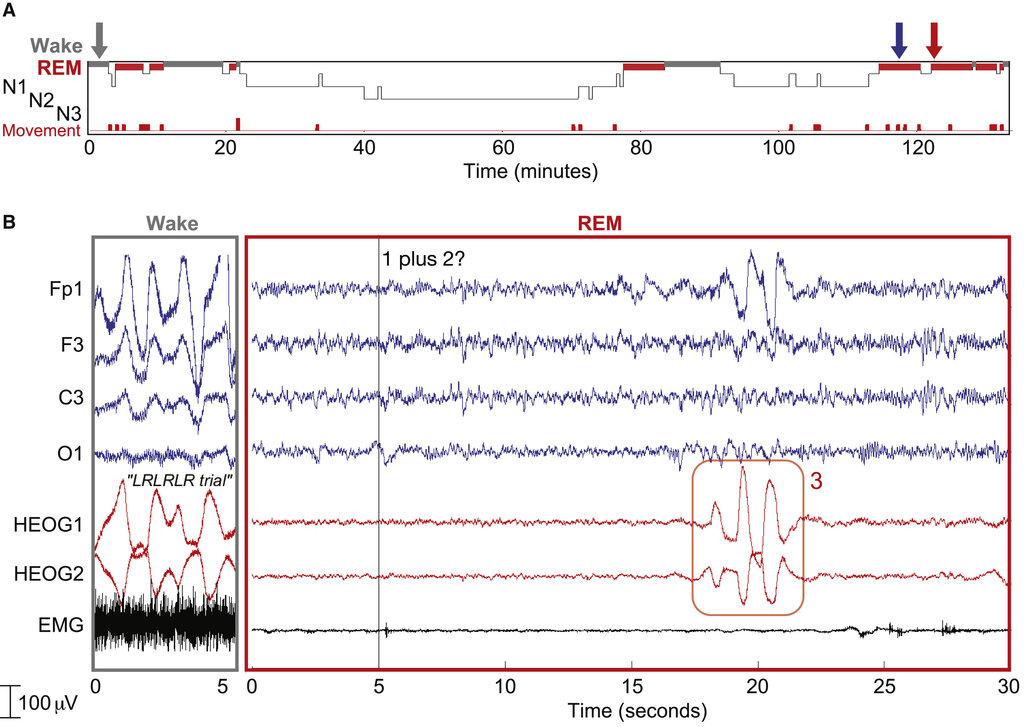
REM sleep is also essential for tactical processing. Athletes in team sports or strategically complex individual sports consolidate game plans and decision-making processes during this time. The brain integrates the day's experiences, runs simulations, and finds new connections. Depriving an athlete of REM sleep doesn't just make them tired; it makes them less sharp, slower to react, and poorer at executing complex strategies.
Your body rebuilds in deep sleep. Your skills are cemented in REM.
Ultimately, a successful recovery strategy hinges on achieving a healthy balance of all sleep stages. Both SWS and REM are non-negotiable. Compromising one for the other—for instance, through alcohol consumption which suppresses REM, or certain medications that reduce SWS—will leave a significant gap in an athlete's recovery.
Why is focusing solely on the total number of hours slept a potential mistake for an athlete's recovery?
Which stage of sleep is most critical for an athlete learning and solidifying a new, complex movement like a golf swing?
Understanding how different sleep stages contribute to recovery is the first step toward optimizing it. It shifts the focus from merely logging hours to protecting the quality and structure of your sleep.