Sleep Optimization for Neurodivergence
Fixing Mask Leaks
Fixing Advanced Mask Leaks
When you have a skeletal open bite, standard solutions for CPAP mouth leaks, like chin straps, often fall short. Your jaw's natural resting position creates a gap that a simple strap can't always overcome, especially during deep sleep when muscle tone relaxes. This leads to frustrating air leaks that can wake you up and undermine your therapy.
Understanding the specific way your jaw moves during sleep is key. This is sometimes called leak phenotyping. During REM sleep, the body's muscles, including those controlling the jaw, reach their most relaxed state. For someone with an open bite, this can cause the jaw to drop significantly, breaking the mask's seal. The goal is to stabilize the jaw or create a better seal without adding discomfort.
A full face CPAP mask may help if you often breathe through your mouth.
Creating an Internal Barrier
Instead of just pulling the jaw shut from the outside, you can create a barrier from the inside. One effective tool is a mouth shield, sometimes called an oral shield. This is a simple, flexible device that sits between your teeth and your lips. It doesn't affect your bite or hold your jaw in a specific position. Instead, it forms a physical dam that prevents air from escaping through your lips, even if your mouth falls slightly open.
Another direct approach is using specialized, hypoallergenic mouth tape or lip seals. This isn't about forcing the mouth shut with duct tape. It involves using a small piece of gentle, skin-safe tape, often applied vertically over the center of the lips. The light tension is just enough to remind the jaw to stay closed without creating a restrictive seal. This method is surprisingly effective for preventing the jaw drop associated with deep sleep cycles.
Choosing a Smarter Mask
Sometimes the problem is the mask design itself. Traditional full-face masks that cover the bridge of the nose can be problematic. They can trigger sensory overstimulation or claustrophobia, and the pressure on the nasal bridge can be a constant point of irritation, leading to adjustments that break the seal elsewhere.
A better choice might be a hybrid mask. These masks provide the stability of a full-face design but in a much smaller footprint. They typically have a cushion that seals under your nose and another that covers your mouth, leaving the bridge of your nose completely free. Models like the ResMed F30i or Fisher & Paykel Evora Full are great examples. This design avoids the nasal bridge pressure point and provides a secure seal around the mouth, accommodating slight jaw movements.
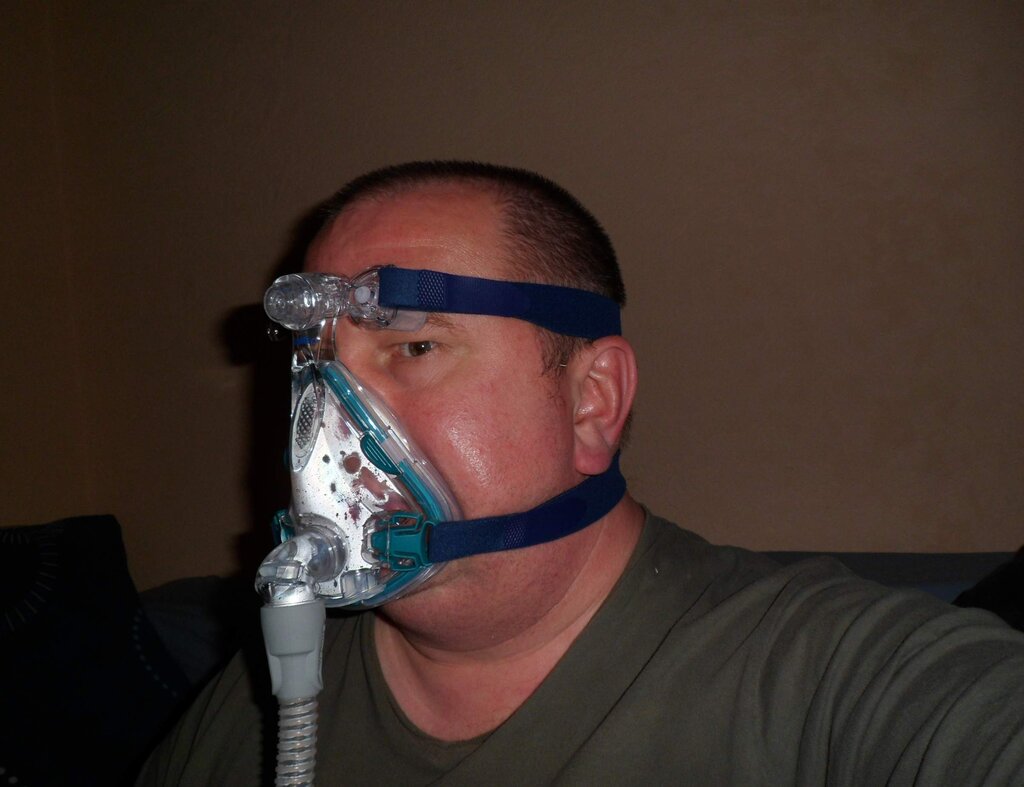
Finally, consider your mask tension. With an open bite, overtightening the straps is a common mistake. It can warp the mask cushion and actually create new leaks. Instead, aim for a snug but gentle fit. The mask should rest lightly on your face, with just enough tension to create a seal when the CPAP pressure is on. Put the mask on with the machine running, and make small, incremental adjustments to the straps until the hissing sound of a leak stops.
Why do standard chin straps often fail to prevent CPAP mouth leaks for individuals with a skeletal open bite?
What is the primary function of a mouth shield (oral shield) in managing CPAP leaks?