Sleep Hygiene for Peak Performance
Understanding Sleep Basics
The Architecture of Sleep
Sleep isn't just an off switch for your brain. It's an active, highly organized state that's crucial for physical and mental health. When you fall asleep, you don't just power down for eight hours. Instead, your brain cycles through a predictable pattern of different sleep stages, each with a unique purpose. Think of it as a nightly performance with several acts.
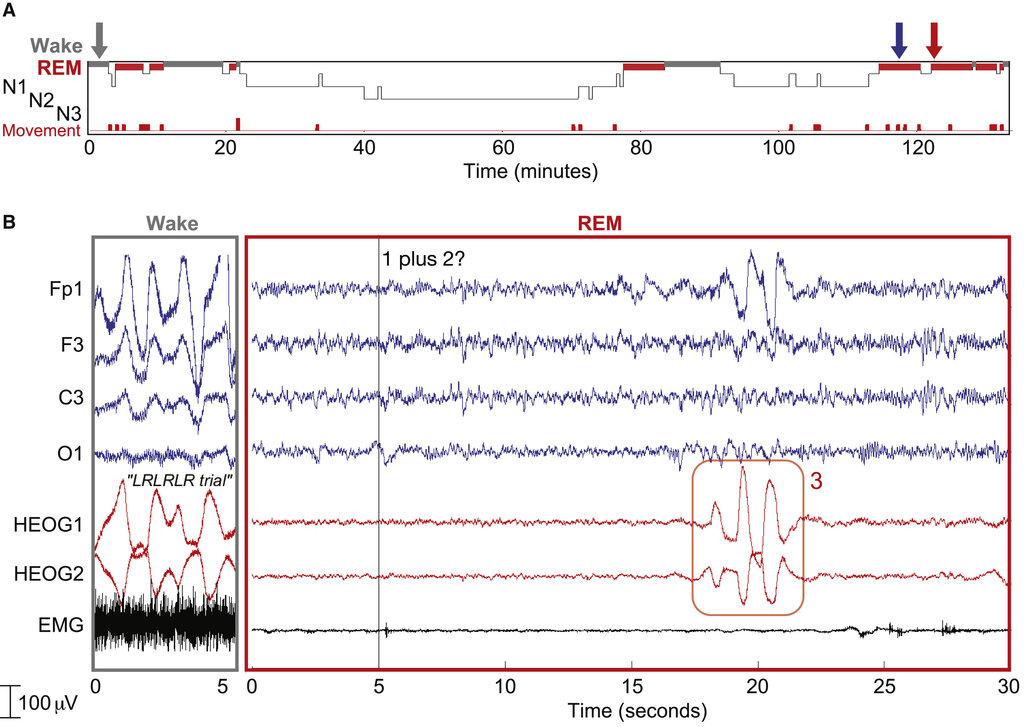
The entire performance is divided into two main types of sleep: Non-Rapid Eye Movement (non-REM) sleep and Rapid Eye Movement (REM) sleep. Most of the night is spent in non-REM sleep, which itself is broken down into three stages.
Non-REM Stage 1 (N1): This is the lightest stage, the transition from wakefulness to sleep. Your muscles relax and your brain waves start to slow down. It's so light that you might not even realize you've been asleep if someone wakes you. Ever feel a sudden jerk as you're drifting off? That's a 'hypnic jerk,' and it happens in this stage.
Non-REM Stage 2 (N2): You spend about half your total sleep time in this stage. Your heart rate and body temperature drop as you disengage from your surroundings. Your brain shows brief bursts of activity called sleep spindles and K-complexes. These are thought to play a role in memory consolidation and keeping you asleep through minor disturbances.
Non-REM Stage 3 (N3): This is deep sleep, also known as slow-wave sleep. It's the most restorative stage, where your body repairs tissues, builds bone and muscle, and strengthens the immune system. Waking up from N3 is difficult, and you'll likely feel groggy and disoriented if you do.
After cycling through the non-REM stages, you enter the most famous part of the night: REM sleep.
REM Sleep: During this stage, your eyes move rapidly back and forth behind your eyelids. Your brain activity looks surprisingly similar to when you're awake. This is when most vivid dreaming occurs. To keep you from acting out these dreams, your body enters a state of temporary muscle paralysis called atonia.
The Nightly Rhythm
These stages don't happen randomly. They follow a pattern, forming what we call a sleep cycle. A single cycle progresses through the non-REM stages, dips into deep sleep, comes back up to lighter sleep, and then finishes with a period of REM sleep. Each full cycle lasts about 90 to 110 minutes.
Over the course of a full night's rest, you'll go through four to six of these cycles. But the composition of each cycle changes as the night goes on. The first few cycles are heavy on deep, restorative N3 sleep. As morning approaches, the deep sleep periods shorten, and the REM periods get longer. This is why you're more likely to remember a dream if you wake up closer to your alarm.
The Body's Master Clock
What tells your body when to feel sleepy or awake? The answer lies in your circadian rhythms. These are the 24-hour internal clocks that regulate a wide range of bodily processes, from hormone release and body temperature to metabolism and, of course, the sleep-wake cycle.
The main driver of these rhythms is a tiny region in your brain's hypothalamus called the suprachiasmatic nucleus, or SCN. Think of the SCN as the master clock that keeps all the other clocks in your body synchronized.
The SCN's most powerful time cue, or zeitgeber, is light. When light hits the retina in your eyes, a signal is sent directly to the SCN, telling it that it's daytime. This helps anchor your internal clock to the external world.
In response to darkness, the SCN signals the pineal gland to produce melatonin, a hormone that promotes sleepiness. As morning light appears, melatonin production is suppressed, signaling your body that it's time to wake up. This delicate interplay between light and hormones is the biological foundation of your daily cycle of rest and activity.
Circadian
adjective
Relating to a biological process that recurs naturally on a twenty-four-hour cycle, even in the absence of light fluctuations.
Why Sleep Matters for the Brain
Sleep isn't just passive rest; it's a critical period of maintenance for your brain. One of its most important jobs is memory consolidation. While you sleep, your brain processes the information you took in during the day, strengthening important memories and discarding irrelevant ones. This happens during both non-REM and REM sleep.
Another crucial function is waste removal. During deep sleep, the brain activates the glymphatic system, a cleanup mechanism that flushes out toxic byproducts that accumulate during waking hours. This process is essential for long-term brain health.
Sleep is essential for learning and cognition, but the mechanisms by which it stabilizes learning, supports creativity, and manages the energy consumption of networks engaged in post-sleep task have not been yet modelled.
When you get enough quality sleep, you support these vital processes. Your ability to learn, focus, solve problems, and regulate emotions is directly tied to the nightly work your brain does while you're asleep.
Now, let's test what you've learned about the fundamentals of sleep.
Which of the following best describes how sleep cycles change over the course of a night?
What is the primary role of the suprachiasmatic nucleus (SCN) in the sleep-wake cycle?
Understanding these sleep basics is the first step. Knowing what's happening in your brain each night gives you the foundation for building healthier sleep habits.