Sleep Hygiene for Peak Performance
Understanding Sleep Basics
The Stages of Sleep
Sleep isn't just an on-or-off state. It unfolds in a series of stages, each with a unique purpose. The two main types of sleep are non-rapid eye movement (NREM) and rapid eye movement (REM).
Most of the night is spent in NREM sleep, which is divided into three parts:
- Stage N1: This is the very light sleep you experience just as you're dozing off. Your muscles relax, and your brain waves start to slow down. You can be easily awakened during this brief stage.
- Stage N2: You spend about half your total sleep time here. Your body temperature drops and your heart rate slows. Your brain produces bursts of rapid, rhythmic activity called sleep spindles, which are thought to be involved in memory consolidation.
- Stage N3: This is deep sleep. It’s the most restorative stage, where your body repairs tissues, builds bone and muscle, and strengthens the immune system. Waking up from N3 sleep is difficult, and you'll likely feel groggy if you do.
After deep sleep, you cycle into REM sleep. This stage is very different. Your brain activity looks similar to when you're awake. Your eyes move back and forth quickly behind your eyelids, which is how this stage gets its name.
REM is when most vivid dreaming occurs. To keep you from acting out these dreams, your body becomes temporarily paralyzed. This stage is crucial for learning, processing emotions, and cementing new memories.
The Sleep Cycle
You don't just go from light sleep to deep sleep and stay there. Instead, your brain cycles through these stages in a predictable pattern throughout the night. A single sleep cycle lasts about 90 minutes on average.
Early in the night, you spend more time in restorative deep sleep (N3). As the night progresses, REM sleep periods get longer, especially in the hours before you wake up. This is why you often remember dreams from just before your alarm goes off.
Why Sleep Matters
Each sleep stage plays a vital role in keeping you healthy. Think of deep sleep (N3) as physical maintenance. It’s when your body releases growth hormone to repair cells and tissues. Without it, you feel physically worn out and your immune system can weaken.
REM sleep, on the other hand, is more like mental maintenance. It helps your brain organize the information you took in during the day, strengthening important memories while discarding irrelevant details. It's also critical for regulating your mood. A lack of REM sleep can leave you feeling irritable and less able to handle stress.
A simple way to remember it: NREM sleep restores your body, while REM sleep restores your mind.
So how much sleep do you need? For most adults, the sweet spot is 7 to 9 hours per night. Getting less than that creates a "sleep debt." While you can't truly "catch up" on lost sleep, consistent, adequate rest is key. Chronic sleep deprivation occurs when you consistently fail to get enough sleep, and its effects add up over time.
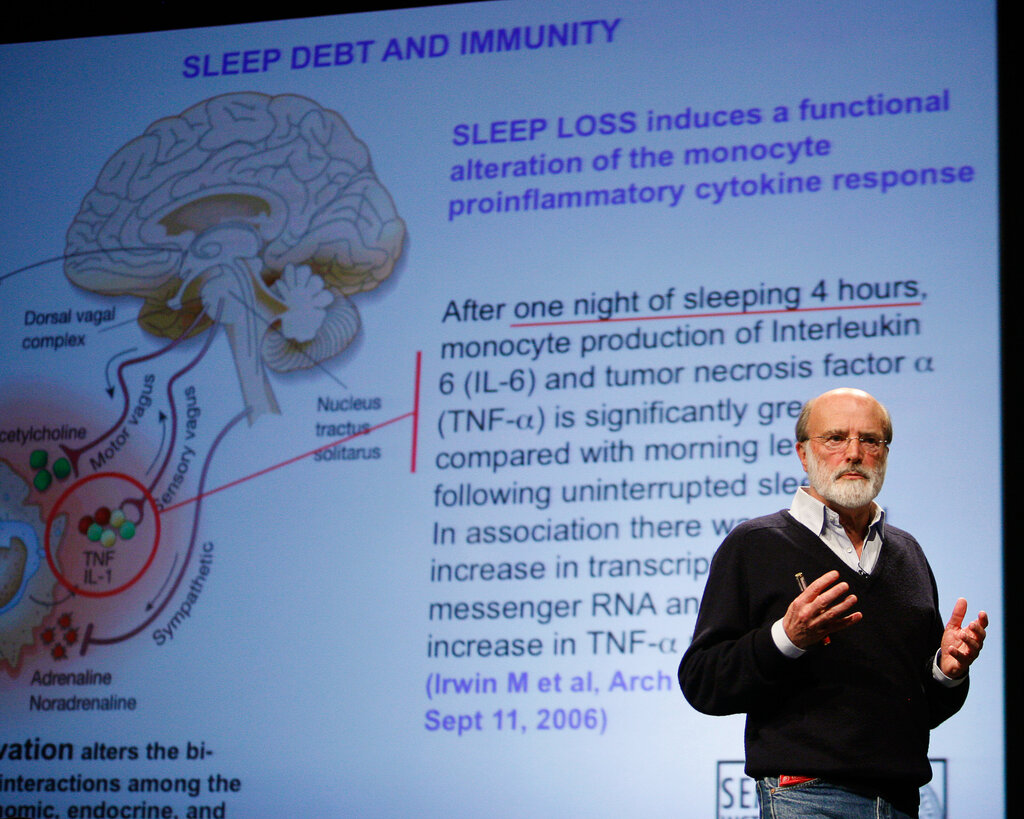
The consequences of running on a sleep debt are significant. In the short term, you'll likely notice poor concentration, slower reaction times, and difficulty remembering things. Over the long term, chronic sleep loss is linked to serious health problems, including heart disease, diabetes, and obesity. Your brain also needs sleep to clear out waste products that build up during waking hours, a process that is vital for long-term brain health.
Which stage of sleep is most critical for physical restoration, such as tissue repair and strengthening the immune system?
During REM sleep, your body becomes temporarily paralyzed.
Understanding the basics of sleep is the first step toward improving it. By recognizing that sleep is an active, essential process, you can begin to prioritize getting the rest your body and brain need.