Sleep Hygiene for Peak Performance
Understanding Sleep Stages
The Architecture of Sleep
Falling asleep isn't like flipping a switch. It’s more like descending a staircase, moving through different levels of consciousness. Sleep is divided into two main types: Non-Rapid Eye Movement (NREM) and Rapid Eye Movement (REM). Throughout the night, your brain cycles through these stages, each with a unique job to do.
The Descent into NREM Sleep
Most of your sleep time is spent in NREM sleep, which is broken down into three stages.
Stage 1 (N1): This is the lightest stage of sleep, the transition from wakefulness to sleep. Your heartbeat, breathing, and eye movements slow down, and your muscles relax. You might experience sudden muscle twitches, sometimes called hypnic jerks. You can be easily awakened from this stage, which usually lasts only a few minutes.
Stage 2 (N2): This is where you spend about half of your total sleep time. Your body temperature drops, and your brain waves slow down, but with brief bursts of rapid activity. These bursts, known as sleep spindles and K-complexes, are thought to help with memory consolidation and protect you from waking up due to external sounds.
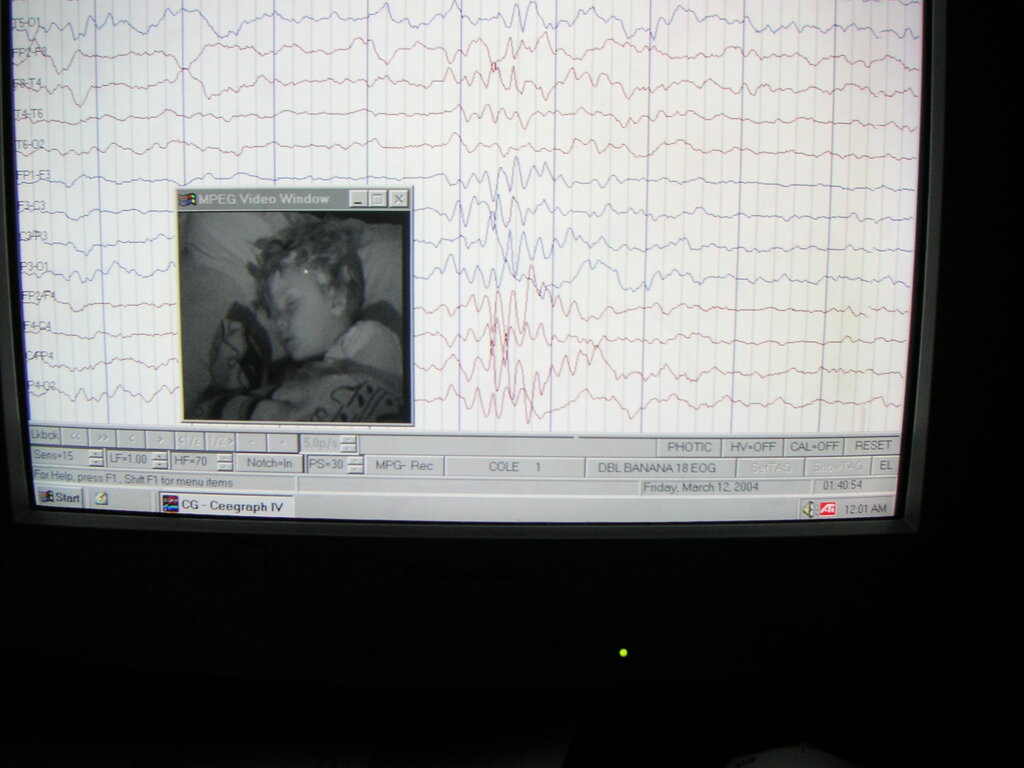
Stage 3 (N3): Welcome to deep sleep. This is the most restorative stage, where your body does most of its repair work. Your heartbeat and breathing are at their slowest rates. During N3, your brain produces slow, large delta waves. It's much harder to wake someone from this stage, and if you are, you'll likely feel groggy and disoriented. This stage is crucial for physical recovery, growth, and bolstering the immune system. It also plays a key role in consolidating declarative memories—the kind you use to recall facts and events.
Deep sleep is like the body's maintenance crew, working overnight to repair tissues, build bone and muscle, and strengthen your immune defenses.
The Dream World of REM
About 90 minutes after you fall asleep, you enter your first REM stage. As the name suggests, your eyes move back and forth rapidly behind your closed eyelids. Your breathing becomes faster and irregular, and your heart rate and blood pressure increase to near-waking levels.
This is also the stage where most of your vivid, story-like dreams happen. To keep you from acting out these dreams, your brain temporarily paralyzes your limb muscles—a condition called atonia. This combination of a highly active brain and a paralyzed body is why REM sleep is sometimes called paradoxical sleep. It's essential for processing emotions, consolidating complex memories, and learning new skills.
The Nightly Cycle
You don’t just go through these stages once. A full sleep cycle, progressing from N1 through REM, takes about 90 to 110 minutes. Throughout the night, you'll typically complete four to six of these cycles.
The structure of these cycles changes as the night wears on. In the first half of the night, you spend more time in deep N3 sleep. In the second half, the REM stages get progressively longer, while deep sleep decreases. This is why you're more likely to wake up from a dream in the early morning.
Each stage has a vital purpose. By cycling through them, your brain and body complete the crucial work of rest, repair, and memory consolidation, preparing you for the day ahead.
Ready to test your knowledge? Let's see what you've learned about the architecture of sleep.
Which stage of sleep is often called 'paradoxical sleep' because the brain is highly active while the body's major muscles are temporarily paralyzed?
During which stage does the body perform most of its physical repair work, such as tissue growth and immune system strengthening?