Sleep Hygiene for Peak Performance
Understanding Sleep Basics
The Stages of Sleep
Falling asleep isn’t like flipping a switch. Instead, your brain moves through a series of distinct stages, each with a unique purpose. Think of it as a journey your mind takes every night. These stages are broadly grouped into two main types: Non-Rapid Eye Movement (Non-REM) sleep and Rapid Eye Movement (REM) sleep.
Non-REM sleep is divided into three parts:
- N1 (Light Sleep): This is the very beginning of sleep, that drowsy state where you're drifting in and out of consciousness. Your muscles relax, and your brain waves start to slow down. You can be easily woken up during this stage.
- N2 (Deeper Sleep): You spend about half of your total sleep time in this stage. Your heart rate and body temperature drop. Your brain produces bursts of rapid, rhythmic brain wave activity known as sleep spindles, which are thought to be involved in memory consolidation.
- N3 (Deep Sleep): This is slow-wave sleep. It's the most restorative stage, crucial for physical recovery, growth, and bolstering your immune system. Waking up from N3 sleep is difficult, and you'll likely feel groggy and disoriented.
After progressing through the Non-REM stages, you enter REM sleep. This is when most of your vivid dreaming happens. Your brain activity looks surprisingly similar to when you're awake. Your eyes move rapidly back and forth behind your eyelids, which gives this stage its name. At the same time, your body experiences temporary muscle paralysis to prevent you from acting out your dreams. REM sleep is vital for learning, memory, and emotional regulation.
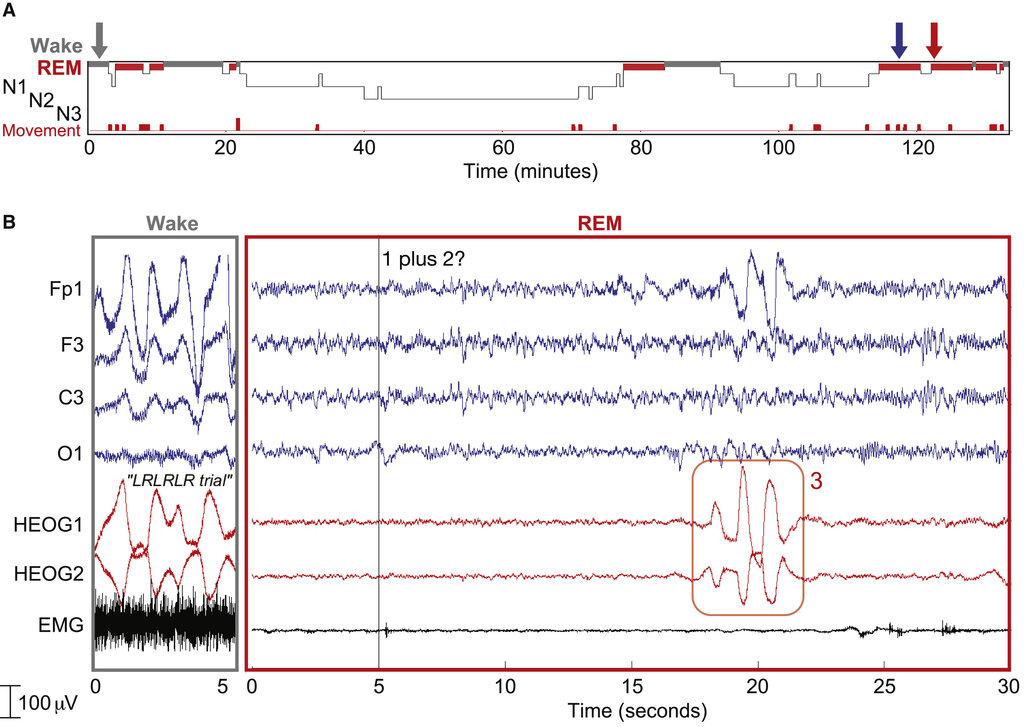
Riding the Sleep Cycle
You don't just go through these stages once. Throughout the night, your brain cycles through Non-REM and REM sleep multiple times. A single sleep cycle typically lasts about 90 to 110 minutes.
The first cycle of the night has a relatively short REM period and a long period of deep sleep. As the night progresses, however, the pattern shifts. You'll spend more time in REM sleep and less time in deep sleep with each subsequent cycle. This is why you might wake up remembering a dream in the morning, as you were likely in or just coming out of a longer REM stage.
How Much Sleep Do You Need?
The ideal amount of sleep changes significantly throughout your life. While there's no magic number that fits everyone perfectly, sleep experts have established general guidelines based on age.
| Age Group | Recommended Hours of Sleep |
|---|---|
| Newborns (0-3 months) | 14–17 hours |
| Infants (4–11 months) | 12–15 hours |
| Toddlers (1–2 years) | 11–14 hours |
| Preschoolers (3–5 years) | 10–13 hours |
| School-age (6–13 years) | 9–11 hours |
| Teenagers (14–17 years) | 8–10 hours |
| Adults (18–64 years) | 7–9 hours |
| Older adults (65+ years) | 7–8 hours |
Why Sleep Matters
Getting enough quality sleep is fundamental to your health. During sleep, your brain is hard at work, processing information from the day and storing important memories. This process, called memory consolidation, helps you learn new skills and retain information. Without adequate sleep, your ability to focus, solve problems, and think creatively suffers.
Sleep promotes memory consolidation, a key factor in understanding new information.
Beyond brainpower, sleep is essential for physical health. It's when your body repairs muscles, manages hormone levels, and strengthens its immune defenses. Consistently skimping on sleep can have long-term consequences for both your mind and body.
Let's review the key terms from this section.
Now, check your understanding of sleep fundamentals.
During which stage of sleep does the brain exhibit activity similar to being awake, while the body's muscles are temporarily paralyzed?
How does the composition of a typical 90-minute sleep cycle change as the night progresses?
Understanding the architecture of your sleep is the first step toward improving it. By recognizing the roles of each stage and cycle, you can better appreciate why getting a full night's rest is so important.