Sleep Hygiene for Peak Performance
Understanding Sleep Basics
The Architecture of Sleep
Falling asleep feels like flipping a switch, but it’s more like descending a staircase. Your brain doesn't just shut off; it enters a highly organized state with distinct stages. This entire process is broken into two main types of sleep: Non-Rapid Eye Movement (NREM) and Rapid Eye Movement (REM).
Most of your night is spent in NREM sleep, which is divided into three stages. Each stage gets progressively deeper, taking you further from the waking world.
The Stages of a Sleep Cycle
Think of your night as a series of 90-minute plays, each with four acts.
NREM Stage 1 (N1): This is the brief, drowsy stage of light sleep. You’re just drifting off. Your muscles relax, and your brain waves start to slow down. It’s easy to be woken up during this phase.
NREM Stage 2 (N2): You're now in a more stable sleep. Your body temperature drops and your heart rate slows. Your brain produces short bursts of activity called sleep spindles, which are thought to help process memories. You spend about half your total sleep time in this stage.
NREM Stage 3 (N3): This is the deepest, most restorative stage, also known as slow-wave sleep. Your brain produces slow, deep delta waves. It's much harder to wake up from N3 sleep, and if you do, you'll feel groggy and disoriented. This stage is critical for physical recovery, growth hormone release, and immune system function.
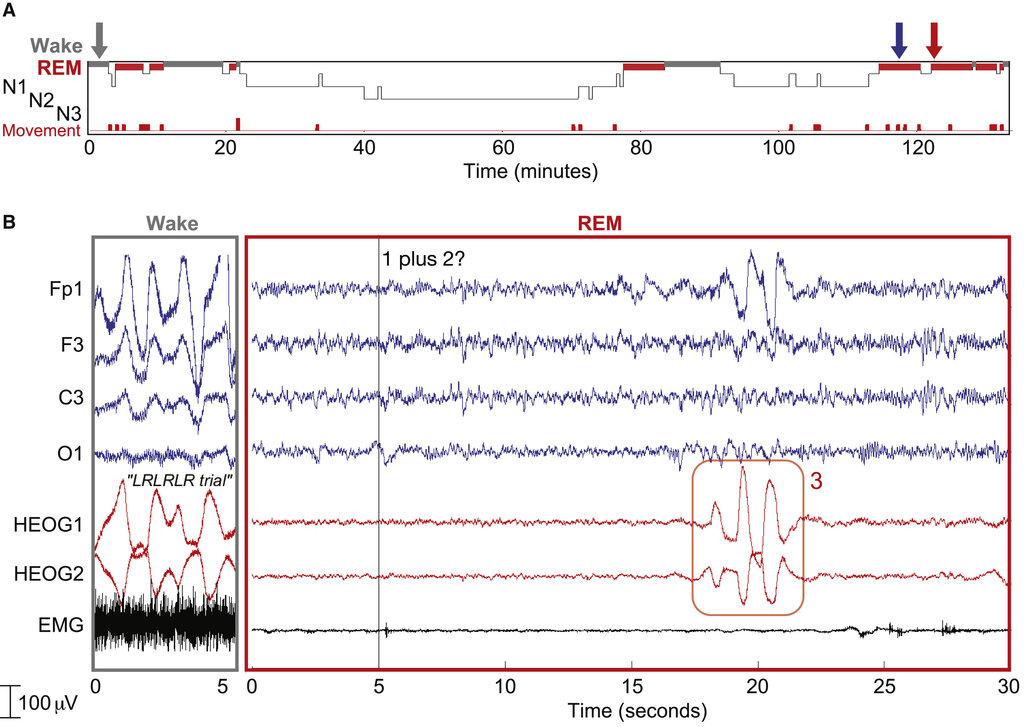
REM Sleep: After passing through deep sleep, the cycle reverses, and you enter REM sleep. This stage is completely different. Your brain activity ramps up to levels similar to when you're awake. Your eyes move rapidly behind your closed lids, which is where this stage gets its name. This is when most vivid dreaming occurs. To keep you from acting out these dreams, your body's major muscles are temporarily paralyzed. REM sleep is crucial for memory consolidation, learning, and emotional regulation.
This entire cycle, from N1 to the end of REM, takes about 90 minutes to complete. Then, it starts all over again.
Your Nightly Rhythm
You don't just repeat the same 90-minute cycle identically all night. The architecture of your sleep changes. In the first half of the night, your cycles contain long periods of deep N3 sleep, focusing on physical restoration.
As the night progresses, the time you spend in deep sleep decreases, and the time you spend in REM sleep increases. The final cycles before you wake up are dominated by lighter N2 sleep and longer periods of REM sleep, which is why you often wake up from a dream. This means cutting your sleep short, even by an hour, can disproportionately reduce your REM sleep, impacting memory and mood.
Why It All Matters
Each stage of sleep serves a vital purpose for your brain and body. While you rest, your brain is hard at work. It’s like a diligent night-shift crew, cleaning up, making repairs, and organizing files.
During sleep, your brain consolidates memories, transferring important information from short-term to long-term storage. This is why you can often solve a tricky problem after a good night's sleep. Your brain also clears out metabolic waste products that build up during waking hours. Think of it as taking out the trash, which helps your brain function effectively the next day.
Without adequate sleep, your ability to learn, focus, and react is impaired. The biological processes that happen overnight are essential for both cognitive performance and overall health.
Chronic sleep deprivation doesn't just make you tired. It can weaken your immune system, disrupt hormone levels, and affect your mood and decision-making skills. Understanding the basics of how sleep works is the first step toward appreciating its power and making it a priority.
Now, let's check your understanding of these core concepts.
Which stage of sleep is known as deep, slow-wave sleep and is most critical for physical restoration and growth hormone release?
During which stage of sleep is brain activity similar to waking levels, most vivid dreaming occurs, and major muscles are temporarily paralyzed?
Knowing how sleep is structured helps you understand why getting a full night of rest is so important for feeling and performing your best.