Sleep and Emotions
Understanding Sleep Cycles
Your Body's Internal Clock
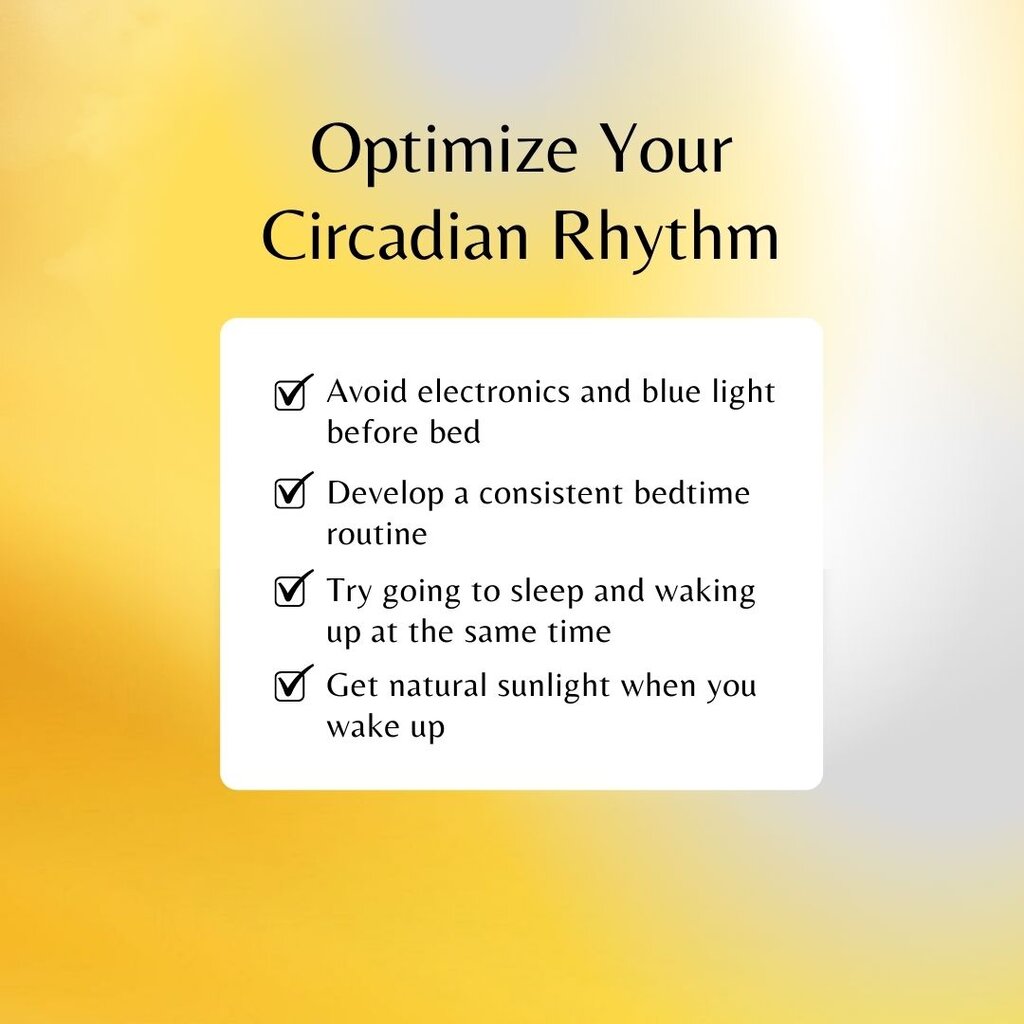
Every 24 hours, your body follows a master schedule called the circadian rhythm. Think of it as an internal clock, located in a part of your brain called the hypothalamus. This clock orchestrates thousands of bodily processes, from hormone release to body temperature, but its most noticeable job is managing your sleep-wake cycle.
Your circadian rhythm is naturally tuned to the day-night cycle. The biggest external cue is light. When light enters your eyes, it signals to your brain that it's daytime, promoting wakefulness. As darkness falls, your brain gets the signal to produce melatonin, a hormone that makes you feel sleepy. This is why exposure to bright light in the morning can help you feel alert, while using bright screens at night can make it harder to fall asleep.
The Journey of Sleep
Falling asleep isn't like flipping a switch. It's more like descending a staircase. Throughout the night, your brain cycles through different stages of sleep, each with a unique purpose. These stages are grouped into two main types: Non-Rapid Eye Movement (NREM) sleep and Rapid Eye Movement (REM) sleep.
A full sleep cycle, moving through all the stages, typically lasts about 90 to 110 minutes. You'll go through four to six of these cycles each night.
The Stages of Sleep
NREM sleep is divided into three stages, each progressively deeper.
Stage N1 (Light Sleep): This is the brief, transitional stage when you're just dozing off. Your muscles relax, and your brain waves start to slow down. You can be easily awakened during this period, which usually lasts only a few minutes.
Stage N2 (Deeper Sleep): You spend the most time—about half your night—in this stage. Your body temperature drops and your heart rate slows. Your brain produces short bursts of activity called sleep spindles and K-complexes, which are thought to help protect you from waking up and play a role in processing memories.
Stage N3 (Deep Sleep): This is the most restorative stage, also known as slow-wave sleep. It's very difficult to wake someone from N3 sleep. During this time, your body works on physical repairs, builds bone and muscle, and strengthens your immune system. This stage is crucial for feeling refreshed in the morning.
After cycling through the NREM stages, you enter a completely different kind of sleep.
REM Sleep
noun
A stage of sleep characterized by rapid eye movements, more dreaming and bodily movement, and faster pulse and breathing.
REM sleep is when most of your vivid dreaming happens. Your brain activity looks surprisingly similar to when you're awake. Your eyes dart back and forth behind your eyelids, which is how this stage gets its name. At the same time, your body's major muscles are temporarily paralyzed to prevent you from acting out your dreams. This stage is vital for learning, memory consolidation, and emotional regulation.
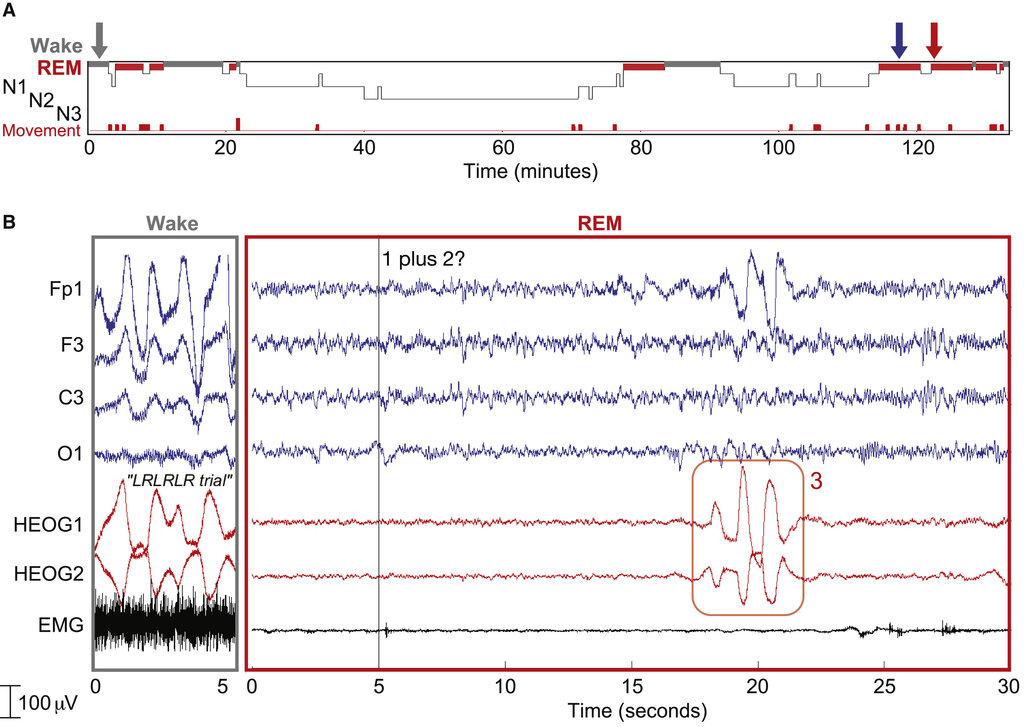
As the night progresses, the structure of your sleep cycles changes. In the first half of the night, you spend more time in deep N3 sleep. In the second half, the REM stages become longer, and you spend more time in lighter N2 sleep. This carefully orchestrated pattern ensures your brain and body get both the physical rest and mental processing they need to function at their best.