Slacklining Fundamentals
Introduction to Slacklining
What is Slacklining?
Slacklining is the sport of balancing on a flat piece of webbing anchored between two points. Unlike a tightrope, which is held under high tension and is static, a slackline is dynamic. It stretches and sways, reacting to your every movement. This constant motion is what makes it both challenging and rewarding.
The sport has its roots in the rock climbing community of Yosemite Valley in the 1970s. Climbers would pass the time on rest days by balancing on parking lot chains and ropes. Eventually, they discovered that flat nylon webbing offered a unique and dynamic surface for balancing, and modern slacklining was born.
A Workout for Body and Mind
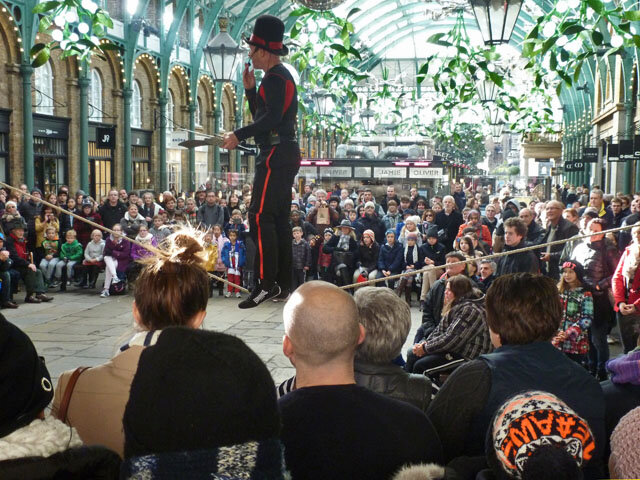
At first glance, slacklining looks like it's all about balance. While that's true, the benefits run much deeper. To stay on the line, your body makes thousands of tiny, unconscious adjustments every second. This engages not just your legs and feet, but your entire core. It's a surprisingly effective workout for your abdominal and back muscles.
Beyond the physical challenge is a mental one. Slacklining requires intense focus. To walk the line, you have to quiet your mind and be fully present in the moment. Many slackliners describe it as a form of moving meditation. The concentration needed to balance blocks out distractions, helping to clear your head and reduce stress.
Slacklining is a full-body workout and a moving meditation rolled into one.
Finding Your Line
As the sport has grown, different styles have emerged. Each offers a unique challenge.
Tricklining uses a two-inch wide line with high tension, set up low to the ground. This trampoline-like setup allows for dynamic movements like bounces, spins, and flips.
Longlining is about covering distance. Lines can stretch for hundreds or even thousands of feet. It's a test of endurance and unwavering concentration, as the line sways more dramatically over longer spans.
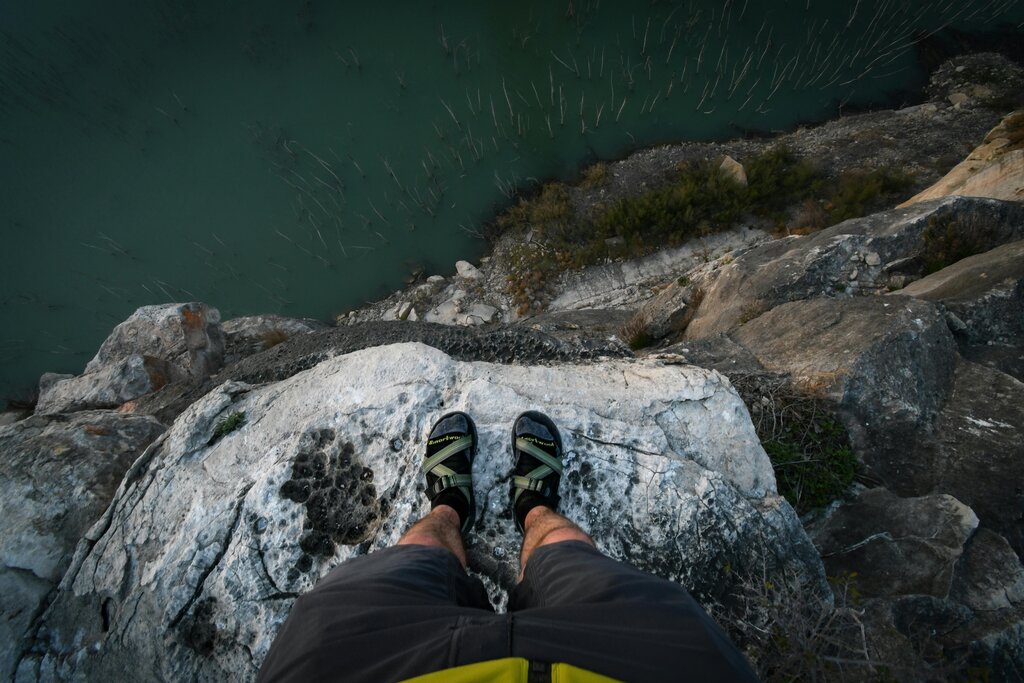
Highlining is the most extreme discipline, where a slackline is set up at a significant height, like between cliffs or buildings. Athletes wear a safety harness, but the psychological challenge of dealing with the exposure is immense.
| Type | Primary Goal | Key Feature |
|---|---|---|
| Tricklining | Performing dynamic tricks | High tension, bouncy line |
| Longlining | Walking long distances | Endurance and focus |
| Highlining | Balancing at great heights | Mental challenge of exposure |
Each discipline requires a different skillset and mindset, but they all share the fundamental principle of finding balance on a moving line.
Now let's review the main concepts.
Ready to test your knowledge?
What is the primary characteristic that distinguishes a slackline from a traditional tightrope?
Which community is credited with pioneering the sport of slacklining in the 1970s?
Whether you're looking for a new physical challenge, a way to sharpen your focus, or just a fun activity to do in a park, slacklining has something to offer.