Sketch Comedy Essentials
Introduction to Sketch Comedy
What Is Sketch Comedy?
At its heart, sketch comedy is a series of short, funny scenes called "sketches." Each sketch is a self-contained world with its own characters and a central funny idea, known as the premise. Think of it like a collection of short stories, but for laughs. Unlike a sitcom that follows the same characters week after week, a sketch show can jump from a pirate ship to an office meeting to outer space in a matter of minutes.
The sketches are usually tied together by a common cast of performers who play different roles in each scene. A single sketch typically builds on its premise, escalating the absurdity or exploring the idea from different angles until it reaches a punchline or a comedic conclusion. The goal is to get in, explore the funny idea, and get out before the joke gets old.
A Quick History
Sketch comedy didn't just appear out of nowhere. Its roots trace back to vaudeville and music hall performances of the late 19th and early 20th centuries. These variety shows featured a mix of singers, dancers, magicians, and, of course, short comedic plays or scenes. These were the original sketches.
When radio became popular, these short comedic bits found a new home on the airwaves. But it was television that truly made sketch comedy a cultural force. Shows in the 1950s, like Sid Caesar's Your Show of Shows, brought sketch to a massive audience. Later, troupes like Monty Python in the UK with Monty Python's Flying Circus pushed the boundaries with surreal and clever humor.
In North America, shows like SCTV and especially Saturday Night Live defined the format for generations. Today, sketch comedy is everywhere, from TV shows like I Think You Should Leave to countless videos on social media platforms.
Sketch vs. Other Comedy
It’s easy to lump all comedy together, but sketch is distinct from its cousins, stand-up and improv.
| Comedy Form | Key Characteristic | Example |
|---|---|---|
| Sketch | Scripted scenes with characters | Key & Peele |
| Stand-Up | One performer speaking to the audience | Jerry Seinfeld |
| Improv | Unscripted, created spontaneously | Whose Line Is It Anyway? |
The biggest difference is the script. Sketches are written and rehearsed, sometimes for weeks, to perfect the timing, dialogue, and physical gags. Stand-up comedy is also written, but it's performed by one person as a monologue or series of stories. Improv, on the other hand, is completely unscripted. It's comedy created in the moment, often based on a suggestion from the audience.
Sketch relies on writing and rehearsal. Improv relies on spontaneity. Stand-up relies on a single performer's persona and perspective.
Notable Shows and Troupes
Many shows and groups have shaped what sketch comedy is today. Here are a few cornerstones of the genre:
-
Monty Python: A British troupe famous for their surreal, intellectual, and often absurd humor in Monty Python's Flying Circus. They broke all the rules of television comedy.
-
Saturday Night Live (SNL): An American institution since 1975, known for its topical, pop-culture-driven sketches and for launching the careers of countless comedy legends.
-
The Second City: A famous improvisational theater troupe based in Chicago. While known for improv, they develop their improv scenes into polished, scripted sketches for their mainstage shows. Many SNL cast members got their start here.
-
Key & Peele: A more recent example, this duo's show was celebrated for its sharp social commentary, unique characters, and high-quality production.
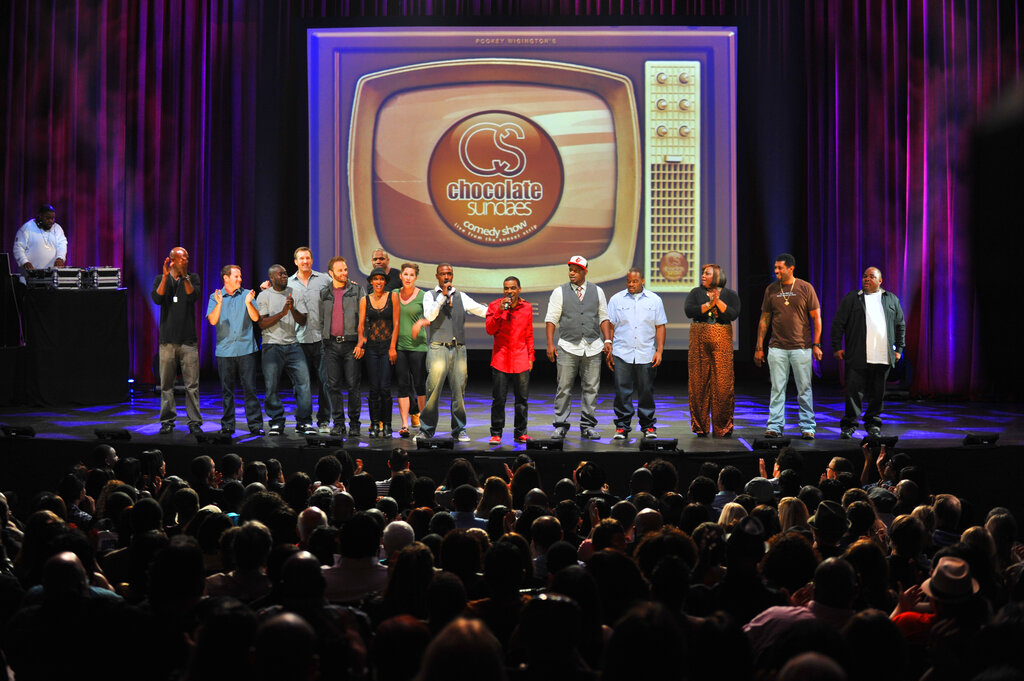
These are just a few examples, but they show the incredible range of sketch comedy, from silly and absurd to pointed and political. By exploring a single idea in a short scene, sketch comedy provides a powerful way to comment on the world and, most importantly, to make people laugh.