Singing Better
Breathing Techniques
The Engine of Your Voice
Your voice is powered by air. Without a steady, controlled stream of breath, you can't produce a strong, consistent sound. Many people breathe from their chest, taking shallow breaths that are fine for talking but not for singing. For singing, you need to breathe from your diaphragm.
The diaphragm is a large, dome-shaped muscle at the base of your lungs. When you breathe in, it contracts and flattens, pulling air into your lungs. When you breathe out, it relaxes, pushing air out. Engaging this muscle allows you to take deeper, more efficient breaths.
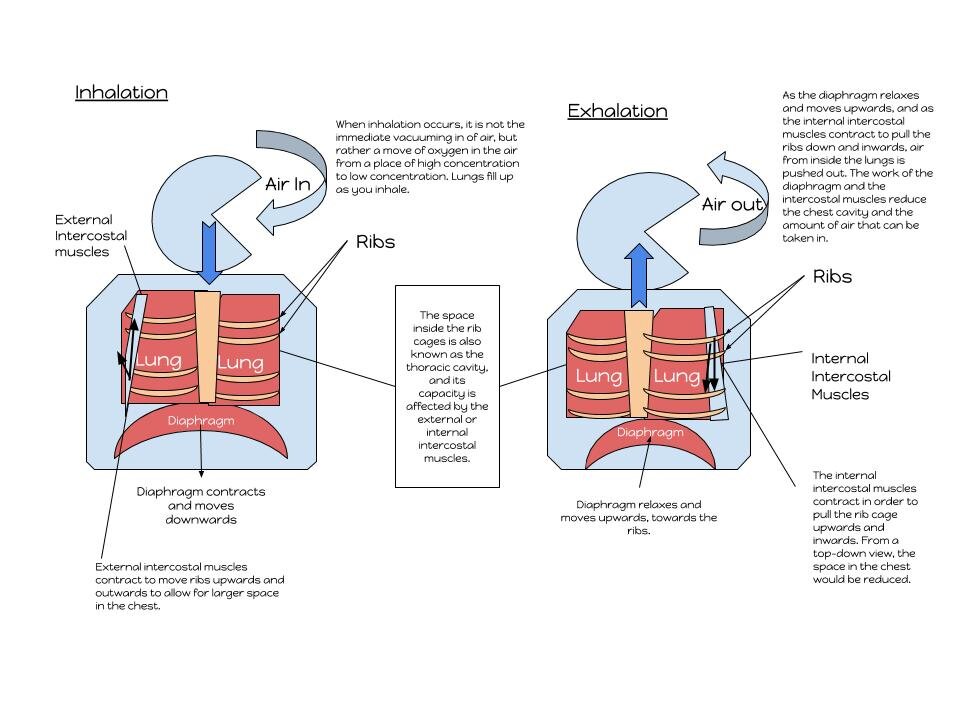
To feel this, lie on your back with your knees bent. Place a lightweight book on your abdomen. As you inhale slowly through your nose, focus on making the book rise. Your chest should remain relatively still. As you exhale slowly through your mouth, let the book fall naturally. This is diaphragmatic breathing. It's the foundation for everything else.
Building Breath Control
Once you can breathe from your diaphragm, the next step is learning to control the release of that air. Singing requires you to exhale much more slowly and steadily than you do when speaking. Think of it like letting air out of a balloon. You don't want it to rush out all at once; you want to release it in a controlled stream.
Great singing isn't about how much air you can take in, but how efficiently you can let it out.
A classic exercise for this is the hiss. Stand up straight and relaxed. Inhale diaphragmatically for four seconds. Then, exhale on a long, steady "sssss" sound, like a leaky tire. The goal is to make the sound and the airflow completely consistent, with no bursts or fades. Try to make the hiss last for 15 seconds. As that becomes easy, extend the time to 20, 25, and then 30 seconds, all while keeping the sound smooth. This exercise builds stamina and fine-tunes your control over your exhalation.
Supporting Your Sound
Breath support is the active process of using your breathing muscles to manage the flow of air for singing. It's not about forcing or pushing the air out. Instead, it’s about providing a consistent, energized cushion of air for your vocal cords to vibrate against. This support comes from the gentle engagement of your abdominal and lower back muscles.
One effective technique for strengthening breath control is diaphragmatic breathing, which engages the lower lungs to maximize air intake and efficiency.
To practice this, let's turn that hissing exercise into a sung note. Take a comfortable diaphragmatic breath. Now, on a single pitch in the middle of your range, sing the vowel "ah." Hold the note for as long as you can while keeping the volume and pitch steady. Your goal is a clear, unwavering tone from beginning to end. As you sing, you should feel a gentle tension in your core muscles—that's your support system at work. This practice directly builds your ability to sustain notes.

Mastering these breathing fundamentals takes consistent practice. By focusing on breathing from your diaphragm and controlling the release of air, you're building the power source for a strong and expressive voice.
What is the primary muscle singers should engage for taking deep, efficient breaths?
When you inhale correctly for singing, your diaphragm...