Singapore Primary 4 Plant Science Adventure
Plant Parts and Functions
The Plant Body
A plant is like a team where every player has a special job. From the deepest root to the brightest flower, each part works together to help the plant survive, grow, and make more plants. Let's break down the key players: the roots, stem, leaves, flowers, and fruits.
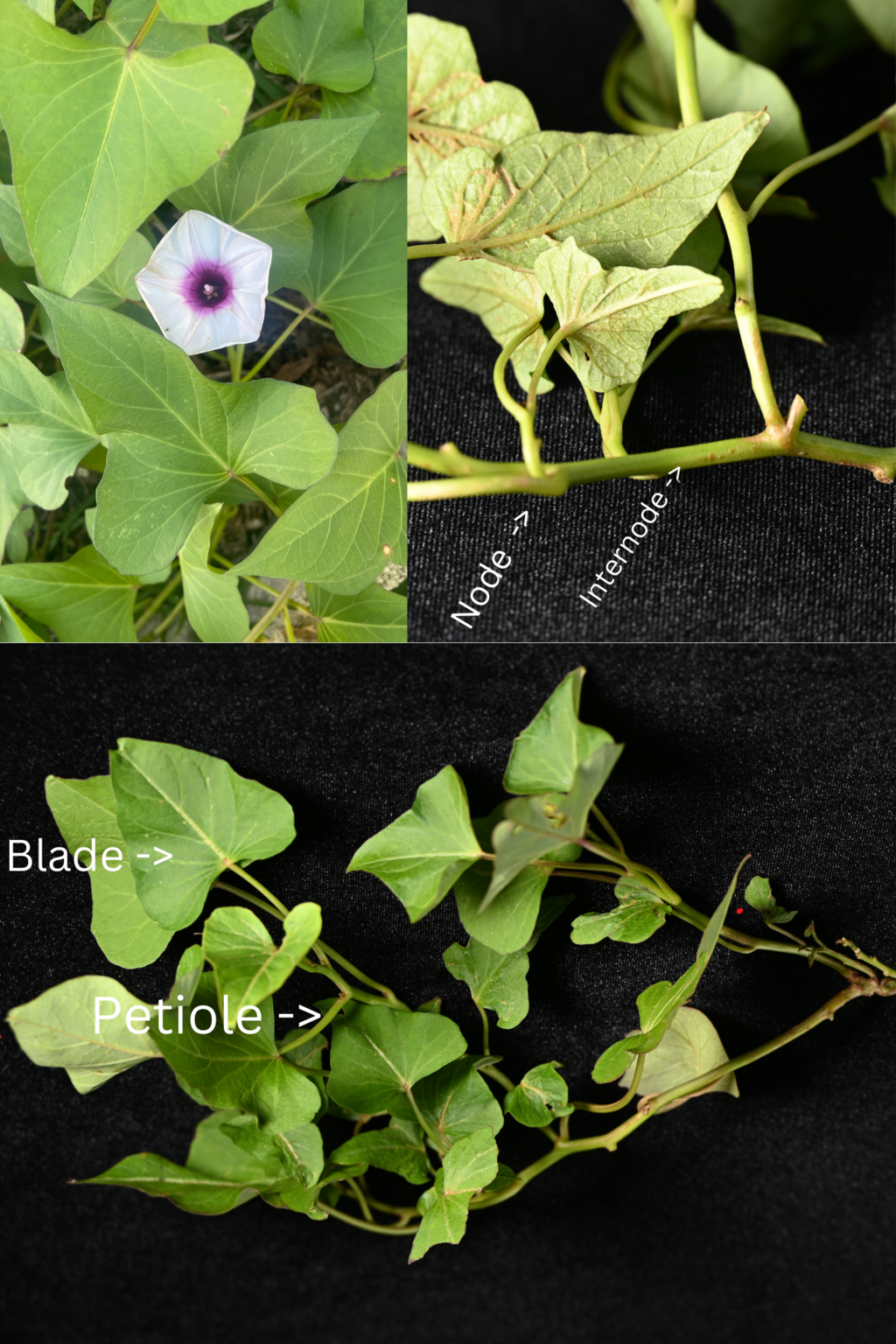
We'll explore what each part does, starting from the ground up.
Down in the Dirt
Hidden underground, the roots are the plant's foundation. They have two main jobs. First, they act like an anchor, holding the plant firmly in the soil so it doesn't blow away in the wind. Second, they absorb water and essential nutrients from the soil, which are then sent up to the rest of the plant.
There are two common types of root systems. A taproot system has one large, central root that grows straight down, with smaller roots branching off. Carrots are a good example. A fibrous root system is a dense network of thin, branching roots that don't have a central primary root. Grasses have fibrous roots.
The Support System
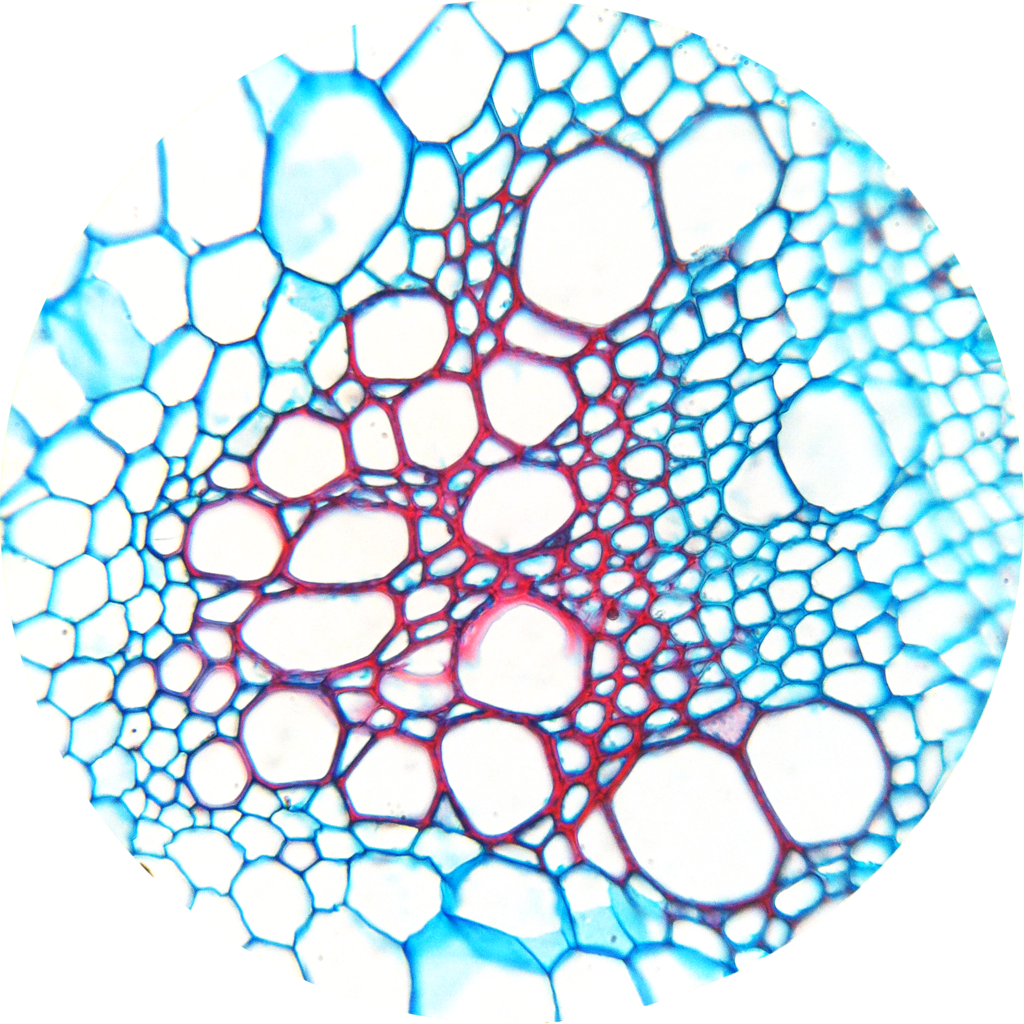
The stem is the plant's main support structure, holding the leaves, flowers, and fruits up toward the light. It's also the plant's highway system. Inside the stem are tiny tubes that transport materials between the roots and the leaves.
One set of tubes, the xylem, carries water and nutrients up from the roots. Another set, the phloem, distributes the sugary food made in the leaves to the rest of the plant. Stems have specific points called nodes, where leaves and branches grow. The space between two nodes is called an internode.
The Solar Panels
Leaves are the plant's food factories. Their broad, flat shape is perfect for soaking up as much sunlight as possible. The main part of the leaf is the blade, and it's attached to the stem by a stalk called the petiole.
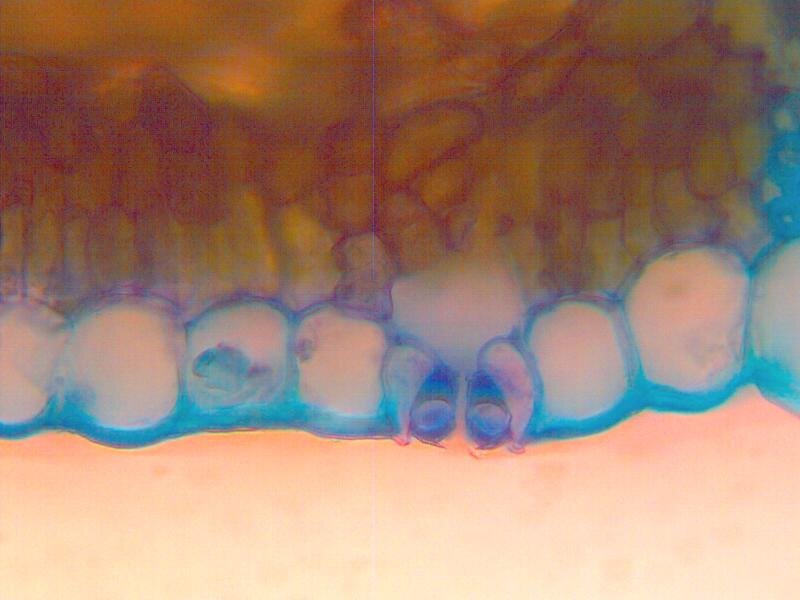
The surface of a leaf is dotted with tiny pores called stomata. These openings allow the plant to take in carbon dioxide from the air and release oxygen. They are like tiny mouths that open and close to control gas exchange with the environment.
The Main Attraction
Flowers are the reproductive part of the plant. They are often colorful and fragrant to attract pollinators like bees, butterflies, and birds. Their ultimate job is to produce seeds to create new plants. A typical flower has several key parts:
- Petals: The colorful parts that attract pollinators.
- Sepals: The small, green, leaf-like structures at the base that protect the budding flower.
- Stamen: The male part of the flower that produces pollen.
- Pistil: The female part of the flower that contains the ovary, where seeds will form.
When a pollinator transfers pollen from the stamen to the pistil, the process of making a seed begins.
The Protective Package
After a flower is pollinated, the ovary begins to swell and develop into a fruit. The fruit's main purpose is to protect the developing seeds inside it. Think of an apple or a peach; the fleshy part we eat is the fruit, and the core or pit contains the seeds.
Fruits also play a crucial role in spreading seeds to new locations. Some fruits are tasty, encouraging animals to eat them and deposit the seeds elsewhere. Others are designed to be carried by the wind, float on water, or stick to the fur of passing animals.
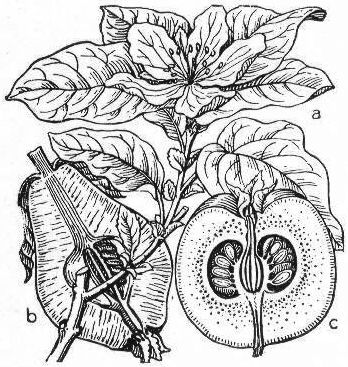
Each part of the plant has a distinct and vital role. Together, they form a coordinated system that allows the plant to thrive.
What are the two primary functions of a plant's root system?
A plant with one large, central root that grows straight down, like a carrot, has which type of root system?