Sineso Creations New Employee Induction
Customer Service Fundamentals
Why Customer Service Matters
Great customer service isn't just about being polite. It's the foundation of a successful business. When we provide excellent service, we're not just solving a problem; we're building a relationship. A happy customer is more likely to return, recommend us to friends, and trust our brand. Think of it as the difference between a one-time transaction and a long-term partnership.
Every interaction a customer has with us shapes their perception of Sineso Creations. A positive experience can turn a casual buyer into a loyal advocate, while a negative one can drive them away for good. Your role is vital because you are often the primary point of contact, representing the entire company in a single conversation.
The Core Principles
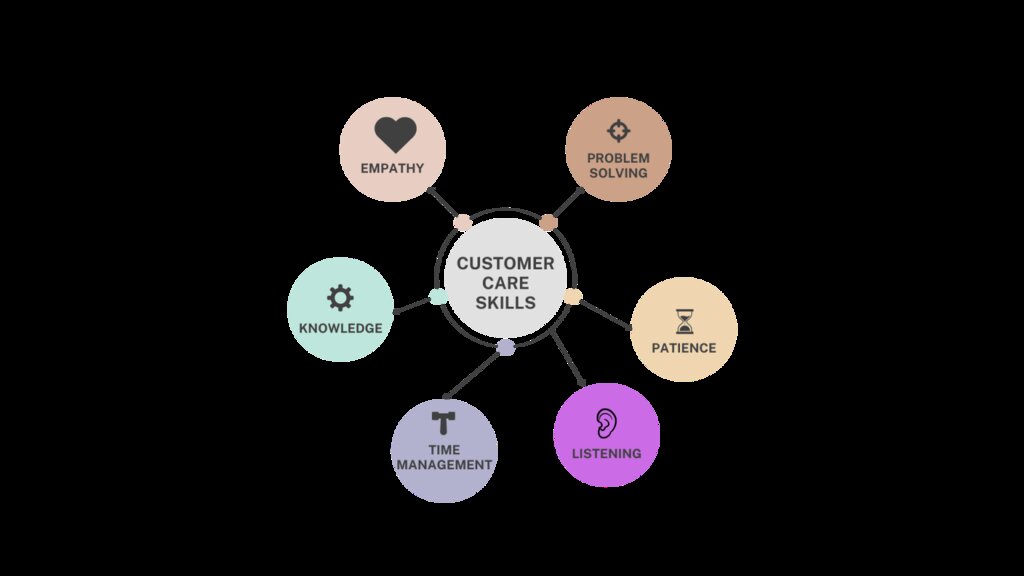
Three core principles guide every great customer service interaction: empathy, active listening, and professionalism. Mastering these will help you handle almost any situation with confidence.
Empathy
noun
The ability to understand and share the feelings of another person.
Empathy means putting yourself in the customer's shoes. If someone is frustrated because a product arrived late, try to understand that frustration. You don't have to agree with them, but you do need to acknowledge their feelings. A simple phrase like, "I can see why that would be frustrating," shows you're on their side and ready to help.
Next is active listening. This is more than just hearing words; it's about understanding the message. It involves paying full attention, concentrating, and responding thoughtfully. Don't plan your response while the customer is still talking. Instead, focus completely on what they are saying, both verbally and non-verbally.
To listen actively:
- Give the customer your undivided attention.
- Briefly summarize their main points back to them to confirm you understand.
- Ask clarifying questions if you're unsure about anything.
Finally, professionalism ties everything together. This is about your attitude and how you present yourself. Always maintain a calm, positive, and helpful demeanor, even if the customer is upset. Use clear and respectful language, and follow through on what you promise. Professionalism builds the customer's confidence in both you and the company.
Common Mistakes to Avoid
Knowing what not to do is just as important as knowing what to do. A few common mistakes can quickly derail a customer interaction. By being aware of them, you can steer clear and keep the conversation productive.
| Mistake | Why It's a Problem | How to Avoid It |
|---|---|---|
| Making Assumptions | You might solve the wrong problem or miss the real issue entirely. | Ask open-ended questions like, "Can you tell me more about what happened?" |
| Being Impersonal | Using generic scripts makes customers feel like a number, not a person. | Use the customer's name and refer to specific details they've shared. |
| Overpromising | Promising something you can't deliver breaks trust and leads to disappointment. | Be honest about what you can and cannot do. Offer realistic alternatives. |
| Rushing the Customer | It signals that you don't value their time or their problem. | Let the customer explain their situation fully without interruption. |
| Taking it Personally | A customer's frustration is usually with the situation, not with you. | Stay calm and focused on the issue. Remember your goal is to find a solution. |
Let's test what you've learned about these fundamentals.
What is the primary goal of providing excellent customer service, according to the provided text?
Which of the following lists the three core principles of a great customer service interaction?