Sindhuri Narra Stanford Health Care Profile
Current Trends in Healthcare Marketing
The Digital Shift
Healthcare marketing has moved far beyond traditional print ads and billboards. Today's landscape is overwhelmingly digital. Patients, like consumers in any other industry, start their search for healthcare providers online. They read reviews, compare services on websites, and look for health information on social media.
This shift means healthcare organizations must have a strong digital presence to connect with potential patients. Effective strategies involve search engine optimization (SEO) so they appear in top search results, maintaining an active and informative social media presence, and creating valuable online content like blog posts and health guides.
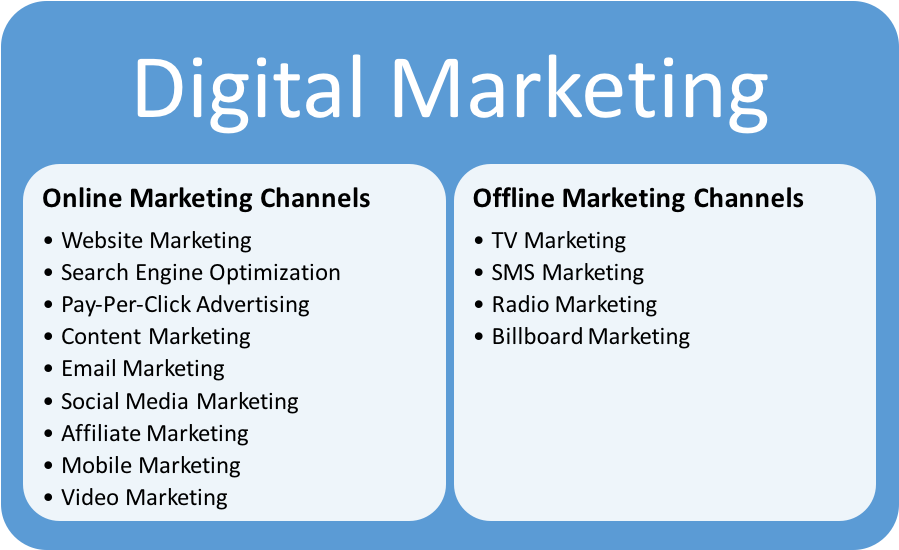
A key advantage of digital marketing is the ability to reach specific groups of people. For instance, a hospital can run a targeted ad campaign for a new maternity wing that is only shown to users in a specific geographic area whose online behavior suggests they may be expecting parents. This level of precision was impossible with older marketing methods.
Data-Driven Decisions
Every click, search, and online interaction creates data. For healthcare marketers, this data is a goldmine. By analyzing it, they can gain deep insights into patient needs, preferences, and behaviors. Market research no longer relies solely on surveys and focus groups; now, it includes analyzing web traffic, social media engagement, and search trends.
Data analytics helps answer critical questions: Which services are most searched for in our area? What are the biggest health concerns of our community? How effective was our latest campaign in driving appointment bookings? This information allows marketing teams to make smarter, evidence-based decisions, allocating resources to strategies that deliver the best results.
The future of B2B healthcare marketing belongs to those who combine data precision with human-centered storytelling, ethical personalization, and technology-powered insights.
By understanding the data, marketers can refine their strategies in real-time. If a particular ad isn't performing well, it can be adjusted or replaced quickly, minimizing wasted ad spend and improving overall campaign performance.

Personalized Patient Engagement
Today's patients expect more than generic communication. They want information that is relevant to their specific health needs and circumstances. This is where personalized patient engagement comes in. Using the data gathered from digital interactions, healthcare providers can tailor their outreach.
Personalization can take many forms. It could be sending a reminder for an annual check-up, providing articles and resources related to a patient's recent diagnosis, or offering information about a wellness program that aligns with their health goals. The aim is to make the patient feel seen and understood, transforming the provider-patient relationship from a transactional one to a partnership in health.
This targeted approach not only improves patient satisfaction but also fosters loyalty and trust. When patients receive valuable, relevant information, they are more likely to remain engaged with their healthcare provider.
Emerging Technologies
New technologies are constantly reshaping healthcare marketing. Artificial intelligence (AI) is one of the most significant game-changers. AI-powered tools can analyze vast datasets to predict patient needs, automate marketing tasks, and create highly personalized experiences.
Chatbots on hospital websites, for example, can answer common patient questions 24/7, freeing up staff and providing instant support. Telehealth platforms, which surged in popularity, have also become a new channel for marketing. Providers can promote the convenience of virtual visits and use the platform to engage with patients remotely.
Artificial Intelligence (AI) is revolutionizing the digital marketing landscape, allowing businesses to automate processes, analyze data more effectively, and create personalized customer experiences.
As technology continues to evolve, healthcare marketers must stay informed and adapt. The core goal remains the same: to connect patients with the care they need. The tools and strategies for achieving that goal, however, are more powerful and dynamic than ever before.
What is the most significant change in how modern patients begin their search for a healthcare provider?
A hospital wants to promote its new maternity wing. According to the principles of modern healthcare marketing, what is the most effective digital strategy?
Staying current with these trends is key for anyone in healthcare marketing looking to effectively engage patients and drive growth for their organization.